Land Nov 2, 2026
CN Posts 6% Profit Growth in Q3 as Freight Revenue Surges
Higher grain, energy and automotive volumes drive revenue gains, while rising fuel expenses and a technology impairment weigh on reported operating margins.
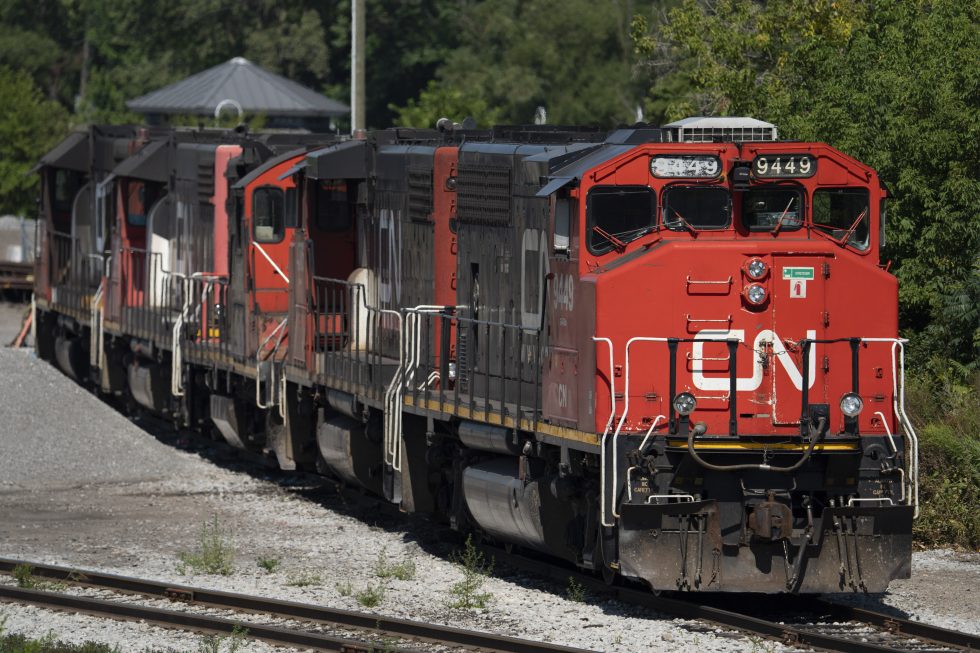
Canadian National Railway (CN) reported improved financial results in the third quarter as net profit rose 6% with higher freight revenues from grain, energy and automotive shipments underpinning growth. However, the company’s reported operating performance is impacted by higher fuel costs and an impairment on technology projects.
The Montreal-based railway (NYSE: CNI) said it earned C$1.209 billion ($866 million), or $1.43 per diluted share, in the three months to September 30. That compares with $816 million, or $1.31 a share, in the same period a year ago. Revenue rose 15% to $3.42 billion from $2.98 billion.
The company also posted higher adjusted earnings, which exclude some one-off costs. Adjusted diluted earnings per share rose 18 percent to about $1.55, above the consensus estimate of around $1.50, according to FactSet data cited by Dow Jones. Revenue also beat expectations, coming in at about $3.34 billion.
Freight demand strengthens in key markets
Freight revenues increased 15% to nearly $3.28 billion on the back of improved results in several of our core business areas.
Grain and fertiliser revenue $661 million, up 19 per cent. Petroleum and chemical revenues were up 17% to $716 million. Automotive revenue, the fastest growing of the three segments, rose 31% to $203 million.
Total revenue ton-miles increased by 4%. Grain and fertiliser traffic was 12 per cent higher and automotive traffic 20 per cent higher on this measure. These gains offset weaker activity in coal, forest products and intermodal transportation.
Carloads were about the same number, but freight revenues were higher. But revenue per revenue ton-mile increased 10%, a sign that the railroad’s freight network is producing better revenues.
CN Chief Executive Tracy Robinson said the results reflect operational discipline, service execution and productivity gains. She stressed the importance of the employees’ role in keeping the reliable operation of the entire company’s network.
“We continue to focus on safe execution of the plan across our unique network to further enhance service, improve productivity and support the success of our customers,” Robinson said in the earnings release.
Margins pinched by tech impairment, fuel costs
CN had higher operating costs in the quarter despite improved revenues. Total operating expenses rose 19% to about $2.18 billion, exceeding revenue growth.
Fuel was important. Very important. This category of spending jumped to $474 million, up from $299 million a year ago. The gain came as the railway also improved its fuel efficiency by 2% and achieved its best third-quarter fuel efficiency performance on record.
The financial results also included a non-cash impairment of approximately $84 million as a consequence of CN’s decision to discontinue development on certain aspects of its technology projects for dispatching and back-office functions.
Union Pacific (NYSE:UNP) and Norfolk Southern (NYSE:NSC) are discussing a merger. Also, another $10 million in advisory fees was incurred related to the regulatory proceedings of the transaction.
The big costs helped CN post a lower reported operating ratio, which measures operating expenses as a percentage of revenue. That was up from 61.4 percent in the same quarter a year earlier.
However, underlying operational efficiency was better with the adjusted operating ratio improving to 61.0% after adding back technology impairment and advisory expense.
Operating income was up 8% to around $1.24 billion. Adjusted operating income rose 16% to $1.33 billion. The adjusted figures are non-GAAP financial measures.
Outlook 2026 unchanged
CN reaffirmed its full-year financial guidance, with management saying that adjusted earnings growth is on track to hit the high end of its previous range.
The railway also maintains its low single-digit revenue ton-mile and mid single-digit to high single-digit adjusted diluted earnings per share growth targets for 2026.
The company also maintained its capital investment programme at about $2.00 billion net of customer reimbursements received. The spending plan reflects its continued focus on network infrastructure and operating capability.
Another positive from the quarterly report was the cash generation. Cash flow from operations rose 25% to approximately $2.09 billion for the first nine months of the year.
Cash flow from operations was a bit lower for the comparable period, but spending on investing activities sharply declined to $1.33 billion from $1.78 billion a year ago.
CN continued to pay down capital to shareholders. In the third quarter, it bought back about 3.9 million shares for $484 million.
The fear is economic and political instability
CN’s latest results showed better revenue generation and improvements in adjusted operating performance, but the railway warned outside conditions could still affect future demand.
The freight transportation industry continues to face higher risk levels from volatile economic conditions, geopolitical conflicts and ongoing global trade tensions.
These uncertainties may spill over into shipping and customer activity in the railroad’s core markets, especially as international trade flows and industrial demand are vulnerable to broader economic trends.
Why it matters The company’s third quarter results illustrate the effect of growth in freight revenue and productivity on earnings growth even when shipments are only up modestly. Underlying performance improvement is also reflected in higher adjusted operating income and free cash flow as higher fuel costs and technology related expenses continue to pressure reported margins.
Similar articles
Amazon’s freight bill jumped 11% in Q3 as shipping costs climbed - October 30, 2026
Covenant Logistics reports 68.4% growth in Managed Freight revenue in Q3 2026 - October 30, 2026
XPO Beats Q3 Earnings Expectations as Pricing Gains and Efficiency Measures Boost Margins - October 29, 2026
Bahri’s Q3 Profit Surges 891% as VLCC Freight Rates Soar Amid Maritime Security Crisis - October 28, 2026
Marten Transport Misses the Mark in Q3 as Costs Rise Faster Than Reefer Rates - October 26, 2026
END OF REPORT