Land Nov 2, 2026
European Postal Operators Strengthen Networks Ahead of the Christmas Parcel Rush
Posten Bring expands its parcel locker infrastructure and opens Norway’s largest sorting terminal, while Deutsche Post increases staffing, delivery capacity and automated collection points to manage rising seasonal volumes.
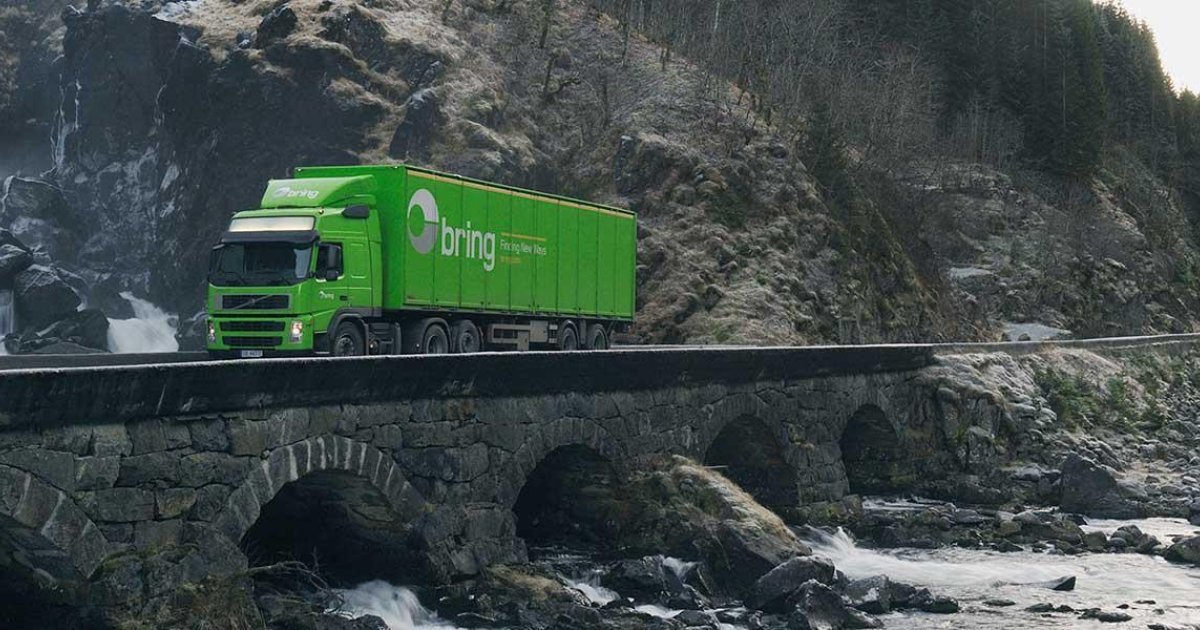
European postal operators are preparing for the Christmas shipping season with big investments in parcel infrastructure, extra staff and expanded sorting capabilities in Norway and Germany. As online shopping and seasonal deliveries increase, Posten Bring and Deutsche Post are taking measures to ensure delivery is not disrupted at one of the busiest times of the year.
Posten Bring in Norway is expanding its parcel locker network and increasing processing capacity with the opening of a new distribution facility. Meanwhile, Germany's Deutsche Post is expanding its workforce and transport capacity as it further expands its automated parcel collection network.
Norway increases parcel capacity amid record demand
Norway’s state-owned postal and logistics provider Posten Bring has installed hundreds of extra parcel lockers and recently opened its largest parcel distribution terminal as it prepares for an expected surge in holiday shipments.
Posten operates under two brands: Posten for private customers in Norway and Bring for business customers and international e-commerce shipments.
Norway Post has established new parcel locker locations and increased the capacity of 300 existing ones during the year, the company said in a statement on Friday. These enhancements are designed to give consumers more flexibility in collection as parcel volumes trend toward seasonal peaks.
The size of the demand is already becoming apparent. In August, the number of parcels delivered to Norwegian parcel lockers exceeded last year's Christmas record. Deliveries to the company’s Pakkeboks network grew by about 50% between January and September compared with the same period last year.
Posten Bring is asking customers to collect their packages as soon as possible, to help keep the network running smoothly. By collecting faster, you open up locker space for incoming packages—a big deal when you expect to see millions of packages moving through your system in a short time period.
Posten intends to replenish lockers at busy locations several times a day. It says over 90% of parcels are collected within four days, with the average collection time coming in at around 26.5 hours.
A new Norwegian terminal to support more than 500,000 parcels daily
Another major development in Norway is the opening of Posten Bring's largest parcel terminal, which became operational earlier this month.
Located in Moss, approximately five minutes from a major highway, the automated sorting facility has the capacity to process more than 500,000 parcels per day.
Its primary role will be to handle imported shipments arriving from Sweden and Denmark, alongside domestic parcels originating from the Østfold region.
The facility will also provide additional operational support during periods of particularly heavy demand. When parcel volumes peak, it will help relieve pressure on Posten Bring's logistics center in Oslo, the country's main parcel sorting hub.
The company has emphasized that the new terminal offers sufficient space to accommodate future business growth, giving its distribution network additional room to expand as shipment volumes increase.
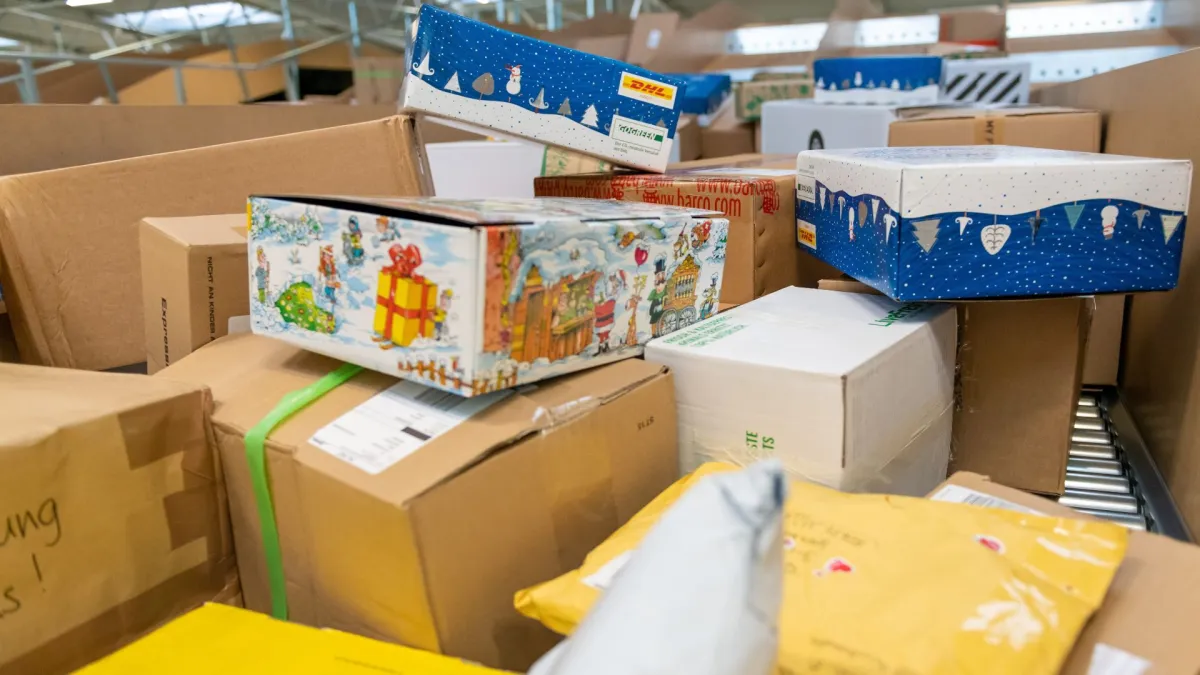
Deutsche Post beefs up staff and delivery resources for Christmas
Germany is also gearing up for a big seasonal surge in postal and parcel traffic.
DHL’s Post & Parcel division, which trades as Deutsche Post, said on Friday it would boost its processing and delivery operations by taking on more temporary workers, increasing sorting capacity and investing further in parcel collection infrastructure.
Preparations for the Christmas period have been underway for several months, with the company planning to bolster its operational resources throughout the country.
The country is set to get more than 500 extra parcel lockers before the end of the year. Deutsche Post also plans to hire more than 10,000 temporary workers to assist its existing staff of more than 150,000 people working in mail and parcel centers and making deliveries.
The operator has also increased the capacity of its sorting facility to deal with the higher shipment volumes.
In the busiest weeks of the season, Post & Parcel Germany is adding some 9,500 more delivery routes. Some 11,000 additional vehicles will once again be used to help sort, transport and deliver millions of letters and parcels.
The measures are meant to make sure the company can keep up reliable delivery operations under the big pressure of the holiday shipping rush.
Automated parcel stations are becoming key to Germany's delivery strategy
Another key component of the Deutsche Post’s preparations is the building of automated collection infrastructure.
Customers in Germany can currently choose from some 19,500 DHL Packstations, Poststations and DeinFach automated parcel lockers operated by partners.
These services provide different options to send and receive shipment. DHL Packstations are automated self-service lockers where customers can collect, send and drop-off parcels 24/7. “Poststations” are digital Deutsche Post retail outlets, where users can perform postal transactions while DeinFach offers additional automated collection facilities through partner networks.
Nikola Hagleitner, board member at Post & Parcel Germany, noted the growing importance of flexible delivery solutions for consumers.
“Parcel lockers are now an important part of everyday parcel delivery, as they enable customers to send and receive shipments independently of conventional opening hours,” she said. They also help the postal operator process rising parcel volumes more efficiently, especially in the weeks leading up to Christmas.
Seasonal preparations are a reflection of wider pressure on postal networks
Posten Bring and Deutsche Post are examples of how the postal operators are adapting their networks to the more and more concentrated seasonal demand.
More locker space, automated sorting, additional delivery routes and temporary staffing are becoming essential tools to keep services reliable during peak periods.
The preparations are also part of a wider trend in the international postal sector. In the U.S., the U.S. Postal Service recently detailed its own plans to deal with the upcoming peak season, including hiring 10,000 temporary workers.
With Christmas approaching, postal operators are therefore turning to a combination of infrastructure improvements, workforce growth and more flexible delivery solutions to handle millions of additional shipments without compromising operational performance.
END OF REPORT