Maritime Nov 2, 2026
Fire Aboard Espirito Santo Express Contained, but Most Cargo Feared Lost
Seaspan confirms that the blaze is under control more than two weeks after it broke out in the Atlantic, although the damaged container ship will need considerable time to reach a port of refuge for a full assessment.
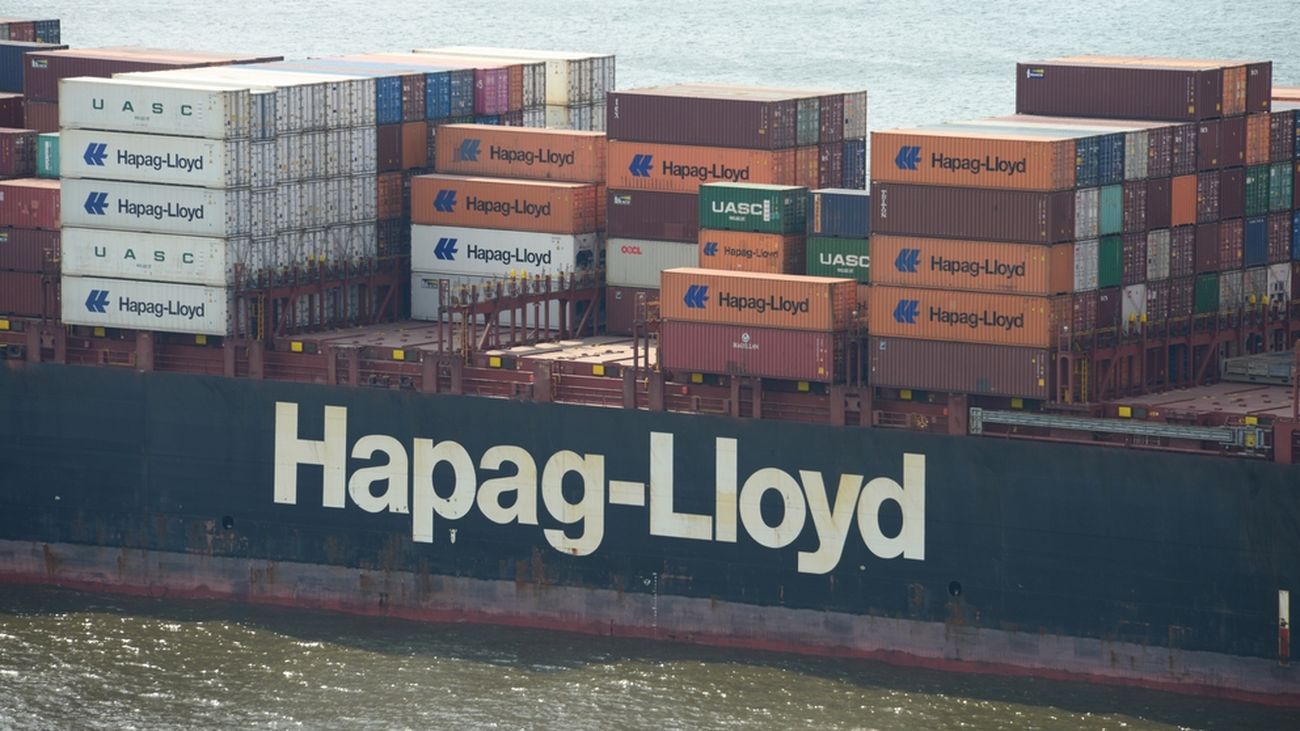
The fire that broke out aboard the Espirito Santo Express as it transited the Atlantic has been contained, but the damage to the ship’s cargo is likely to be extensive. More than two weeks after the incident, most of the containers on board are believed to have been significantly damaged or destroyed.
Hapag-Lloyd and Ocean Network Express (ONE) stated in separate customer advisories that information from shipowner Seaspan indicated a particularly dire outcome for cargo interests. Most of the shipments were either severely damaged by the fire or would be considered a total loss, officials said. Mediterranean Shipping Company (MSC) also reportedly had containers on the vessel.
Hapag- The immediate fire situation had been contained, Lloyd said, but warned the next stage of the operation would take time.
“The fire is meantime under control, but it will take considerable time to bring the vessel into a Port of Refuge and assess the damage in more detail,” the company said.
Long recovery operation to be
The Seaspan-owned and Hapag-Lloyd-chartered Espirito Santo Express caught fire on 15 October while sailing from Singapore to the Port of Santos in Brazil. The incident happened in mid-Atlantic and the vessel is now facing a lengthy recovery operation before reaching a place of refuge.
The source of the fire has not yet been determined. It is not known whether the fire started in the cargo containers or in the engine room of the ship. However damage reported to most of the cargo is extensive, leading to speculation that fire broke out among the stacks of containers.
Container fires are still a major industry concern
The incident highlights the continuing threat of fires on container ships, particularly regarding the type and declaration of the cargo being carried.
Maritime operators remain worried about misdeclared shipments, as inaccurate or incomplete information about cargo will make it harder to spot possible risks before goods are loaded onto vessels.
Another cause for concern is lithium-ion batteries. Shipments of large quantities of these batteries can present significant fire hazards, however these shipments are currently not considered dangerous cargoes under the applicable classification framework.
The Espirito Santo Express fire is now under control and attention will now turn to the transfer of the vessel to a port of refuge and the detailed inspection required to determine the full extent of the damage.
END OF REPORT