



Global cargo operations, military logistics and the future of aviation talent were among the key topics discussed by Kalitta Air executives at the 2026 Global Aerospace Summit.
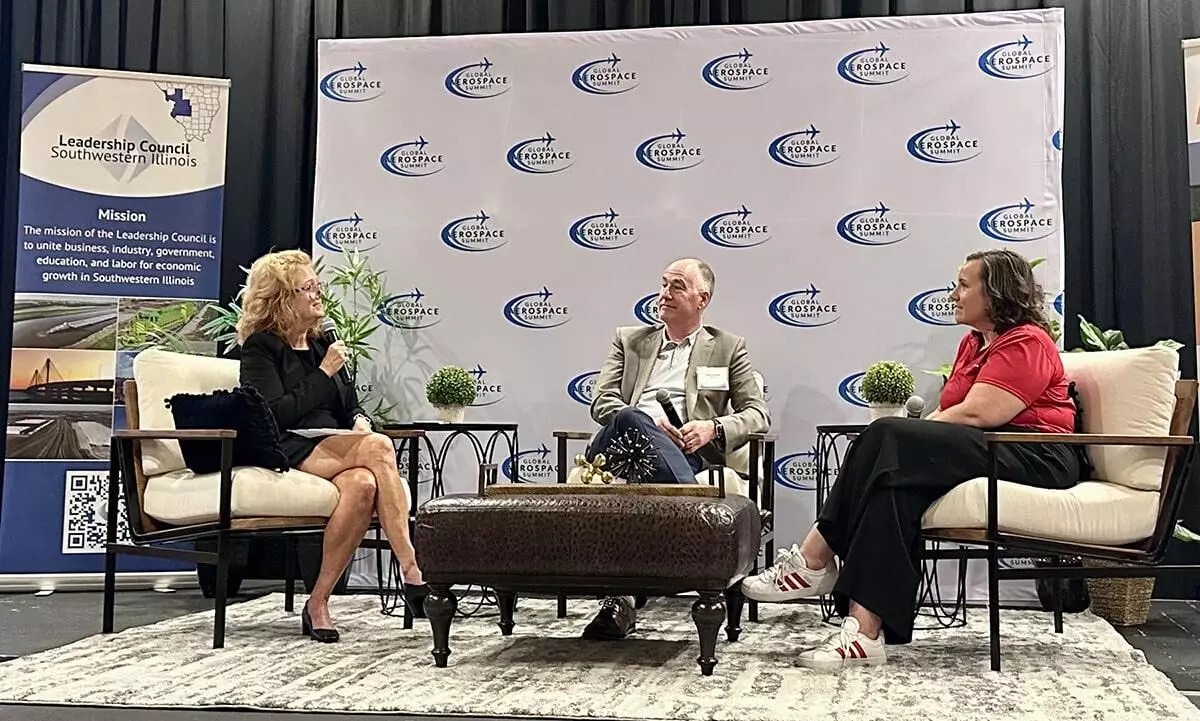
During a panel titled “Connecting Markets and Missions: Kalitta Air’s Global Reach,” Alicia Lawrence, Director of Workforce Programmes and Operations Systems, and Jamie Handley, Managing Director of the Operations Control Center at Kalitta Air, offered an inside look at the privately owned carrier’s international network, its long-standing relationship with the US military and the capabilities it believes will be increasingly important across the air cargo industry.
Headquartered in Ypsilanti, Michigan, Kalitta Air was founded by aviation entrepreneur and drag racing legend Conrad “Connie” Kalitta. Lawrence described the company’s transformation from a relatively small cargo operation into a global carrier serving customers across a wide range of markets.
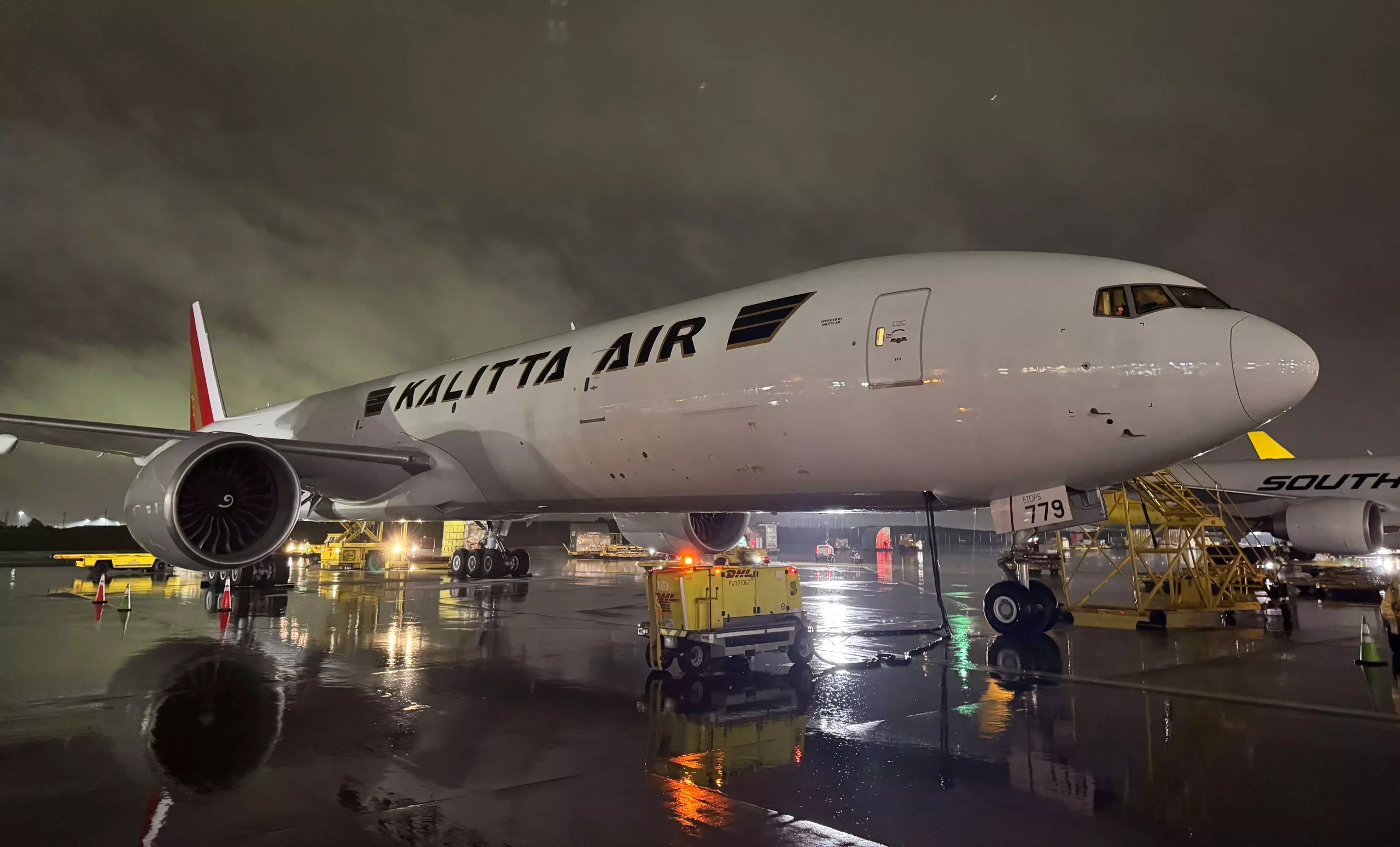
“We fly a fleet of 34 747s and 777s, and we’re global,” Lawrence said. “We fly anywhere and everywhere that we absolutely can.”
The airline operates a major maintenance facility in Oscoda, Michigan, while providing both scheduled and on-demand cargo services to customers around the world.
Kalitta Air began operations in November 2000 with three Boeing 747 aircraft. Its current fleet includes seven Israel Aerospace Industries (IAI)-converted 777-300ERSF freighters, commonly referred to as “Big Twins.”
In September last year, AerCap Holdings delivered the first two 777-300ERSF passenger-to-freighter (P2F) converted aircraft to Kalitta Air. The carrier is the launch operator for the IAI-converted aircraft and ordered seven Big Twins from AerCap.
Lawrence summed up the company’s position in the aviation market with a phrase that has become part of Kalitta Air’s identity:
“I like to tell people that we are the best-kept secret in aviation.”
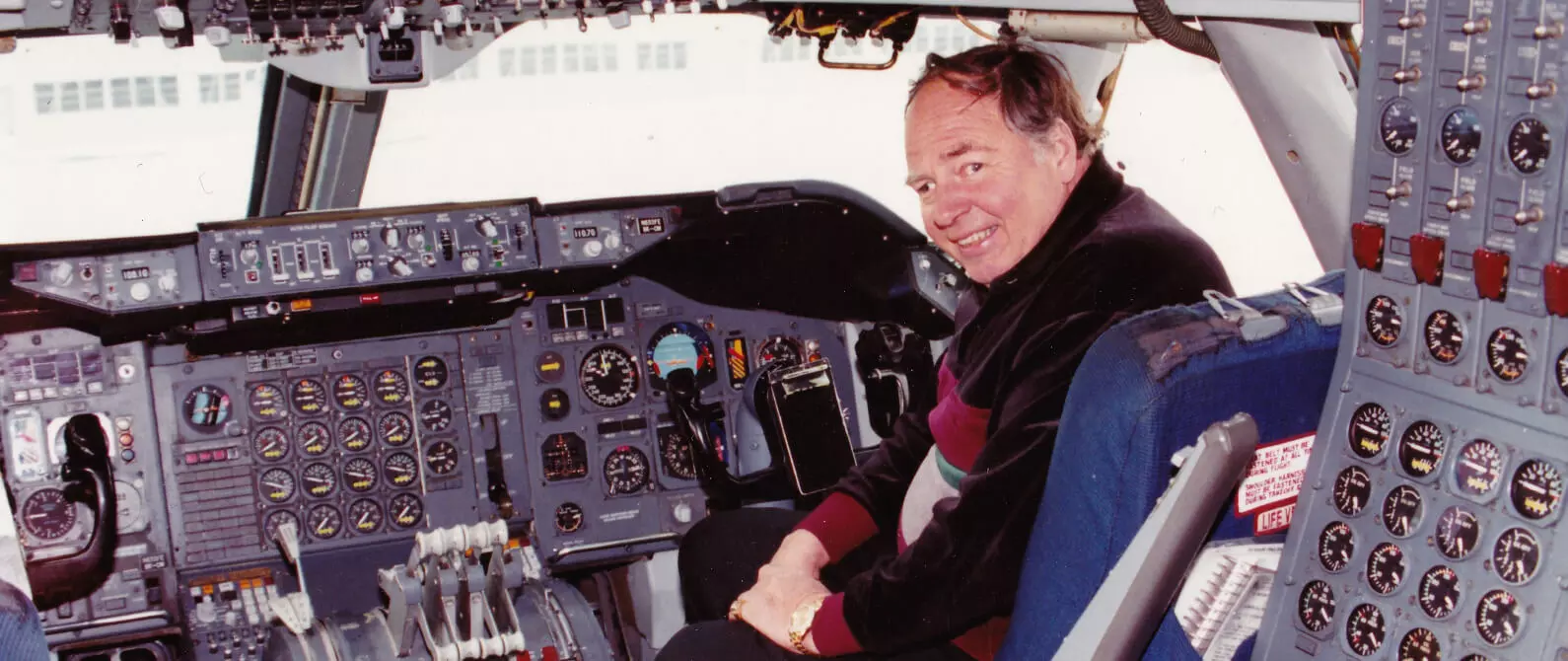
The story behind Kalitta Air remains closely connected to its founder. Lawrence explained that Connie Kalitta built the airline while pursuing his successful drag racing career. He would often joke that he initially started the airline to help finance his racing activities, before his success in drag racing ultimately contributed to the airline’s continued growth.
That entrepreneurial background continues to influence Kalitta Air’s approach today, particularly its emphasis on innovation and self-reliance.
Lawrence said Connie Kalitta has historically encouraged the organisation to develop important capabilities internally whenever possible. That philosophy has resulted in substantial investments in pilot training, aircraft maintenance and workforce development, supporting the carrier as it has expanded its operations globally.
Military logistics represents another important part of the company’s business.
Handley discussed Kalitta Air’s long-standing partnership with the US military through the Civil Reserve Air Fleet programme, as well as its support for Air Mobility Command and defense-related missions around the world.
“We have been a long-time partner with the US military, and we have built an entire line of business that is surrounding and supporting the military missions that are required around the world. We are wherever the military needs us to be, available 24/7.”
The panel also examined some of the forces reshaping commercial cargo aviation. Handley identified the rapid expansion of e-commerce as one of the industry’s most significant developments over the past five years.
At the same time, he pointed to the growing importance of cooperation between aviation companies and government regulators as new technologies continue to emerge and evolve.
Technology is also changing the profile of the aviation workforce.
Although pilots and mechanics remain fundamental to airline operations, Handley stressed that carriers increasingly need employees with expertise in technology, operations and data analytics, particularly as newer aircraft enter service.
“Each aircraft will produce terabytes of data,” Handley said. “Being able to crunch that and turn that into meaningful changes in operating profile is really going to be one of the things that differentiate the carriers that survive and those that don’t.”
The conversation also turned toward the future of cargo distribution in the St. Louis region and across the broader Midwest.
As freight patterns change and major hub airports face capacity constraints, Handley said emerging logistics centres could have an opportunity to attract additional cargo activity and investment.
“Chicago is starting to box out the cargo carriers,” Handley said. “One of the things this region could benefit from is going after some of those integrators and forwarders to tap into what’s being displaced out of Chicago.”
Workforce development was another central issue during the session.
Lawrence explained that Kalitta Air has established talent pipelines covering several different disciplines across aviation. At its Michigan headquarters, the company operates four full-flight simulators and conducts pilot training internally with company instructors.
The carrier also operates an apprenticeship programme in Oscoda aimed at people seeking careers in aircraft maintenance. Participants receive paid, hands-on experience while working toward their FAA Airframe and Powerplant certification.
The opportunities extend well beyond cockpit and maintenance positions. The panel highlighted careers in dispatch, operations control, maintenance planning, law, accounting and data analytics as part of the wider aviation ecosystem.
Lawrence also described Kalitta Air’s outreach initiatives involving schools, colleges and universities. The objective is to raise awareness of aviation careers and encourage the next generation of professionals to explore opportunities throughout the industry.
The session was moderated by Mary Lamie, Executive Vice President of Multimodal Enterprises for Bi-State Development and head of its St. Louis Regional Freightway enterprise.
Lamie emphasised the broader importance of air cargo to both commercial activity and national readiness.
“From global commerce to military readiness, air cargo plays a vital role in keeping goods, people and missions moving around the world,” Lamie said. “We appreciate Kalitta Air’s willingness to share its expertise and demonstrate the wide range of career opportunities and industry innovations shaping the future of aerospace.”