Land Nov 2, 2026
Mexico Destroys 52 Tons of Avocados Following Pest Detection, Putting Exports Under Scrutiny
Emergency disposal measures in Michoacán have been triggered by the discovery of avocado seed weevil larvae in shipments bound for export, sparking worries over agricultural trade with the United States and the functioning of refrigerated transport.
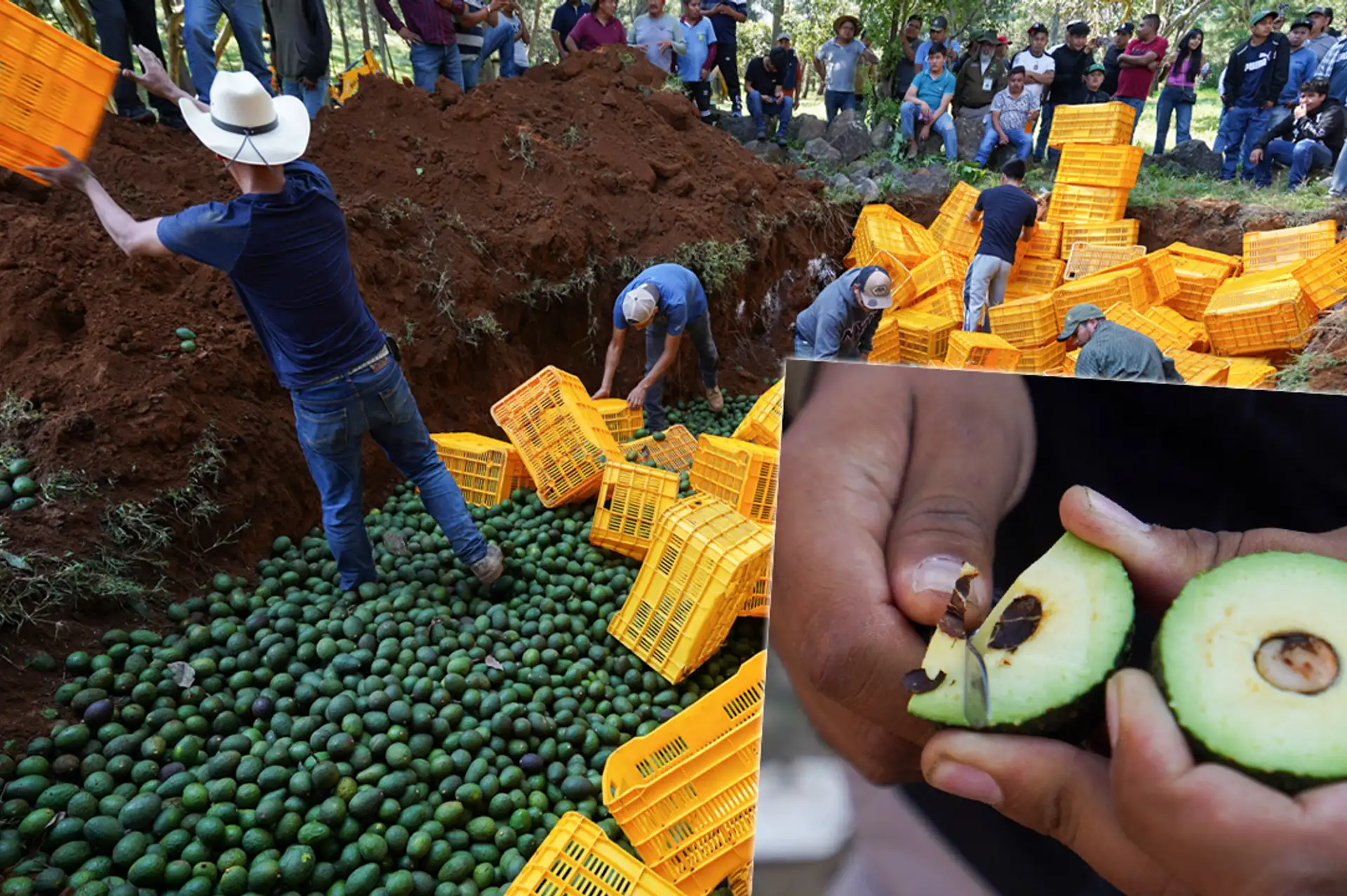
Mexico's avocado industry faces a new test after authorities detected a potentially devastating agricultural pest in fruit destined for international markets. The discovery led to the destruction of as many as 52 tons of avocados over the weekend as officials worked to prevent the infestation from spreading and to safeguard export supply chains, particularly those supplying the United States.
The incident might have implications beyond agriculture production. The avocado trade between Mexico and the United States supports some $641.5 million in cross-border transportation and warehousing activity, so any disruption is a concern for logistics operators and refrigerated freight carriers.
Reuters reported that environmental authorities in Michoacan, Mexico's biggest avocado-producing state, said on Sunday that larvae of the avocado seed weevil had been found in fruit destined for export. After the discovery, shipments were held up, and producers in Michoacán, Jalisco, Colima and Nayarit destroyed up to 52 tons of possibly affected avocados.
The disposal operation was supported by Mexico’s National Service of Health, Food Safety and Food Quality (SENASICA) in measures to contain the pest and to prevent its spread. Social media videos showed growers dumping truckloads of avocados into large pits, where the fruit was burned and buried under pest-control protocols.
The avocado seed weevil is a major agricultural risk because its larvae can bore into the seed of the fruit. If left unchecked, the pest can spread through orchards and threaten production in affected growing areas.
Alejandro Méndez, environment minister for Michoacán, told Reuters the discovery had been confirmed and stressed the avocados suspected of contamination had not entered commercial markets.
A major export industry gets squeezed more
The timing of the discovery is particularly sensitive for Mexico’s avocado sector, which relies heavily on refrigerated trucking and cross-border distribution networks to deliver fresh produce to U.S. supermarkets, restaurants and food distributors.
The U.S. Department of Agriculture said Mexico is expected to export about 1.31 million metric tons of avocados worldwide in 2026. About 1.2 million metric tons of that amount are expected to be shipped to the United States, highlighting the importance of the American market to Mexican producers.
Currently, only the states of Michoacán and Jalisco are authorized to export avocados to the United States. Their shipments are subjected to strict phytosanitary requirements and inspections to keep agricultural pests out of the country.
The latest discovery therefore could lead to exports being looked at more closely, particularly if authorities find more contaminated shipments.
Shipments have already been impacted by previous disruptions
The incident comes after a number of problems have recently plagued Mexico's avocado export industry.
U.S. authorities temporarily suspended avocado export inspections in Michoacán in August after U.S. Department of Agriculture personnel raised security concerns. NBC news reported that the move stopped shipments from the largest avocado-producing region in the country.
More recently, growers in Michoacan have protested low farm-gate prices, disrupting harvesting and transportation activities. El País said on Oct. 28 that the protests could reduce exports of avocados bound for the United States to 600 containers from about 1,100 containers that week.
The discovery of the new pest adds another layer of uncertainty for exporters and the refrigerated trucking companies that move produce from Mexican packing facilities to U.S. distribution centers.
Texas border crossings remain critical to supply chain
Mexican avocados still travel mostly overland to the United States. Nearly 98% of Mexico’s avocados going into the U.S. in 2024 were trucked through Texas land ports, mostly through Pharr and Laredo.
The performance of border crossings is therefore of special importance for ensuring the flow of fresh produce, given this concentration. Additional inspections, shipment holds or phytosanitary restrictions may impact delivery schedules, refrigerated truck usage and distribution operations.
The big worry for logistics companies is that further pest finds could lead to tighter controls and delays on an already very integrated cross-border supply chain.
Why it’s important: The destruction of 52 tons of avocados shows how vulnerable Mexico’s export agricultural network is to phytosanitary risks. More inspections or limits could snarl refrigerated trucking, delay deliveries at key Texas border crossings and create uncertainty across the U.S. produce supply chain, especially as Mexico dominates the U.S. avocado market.
END OF REPORT