



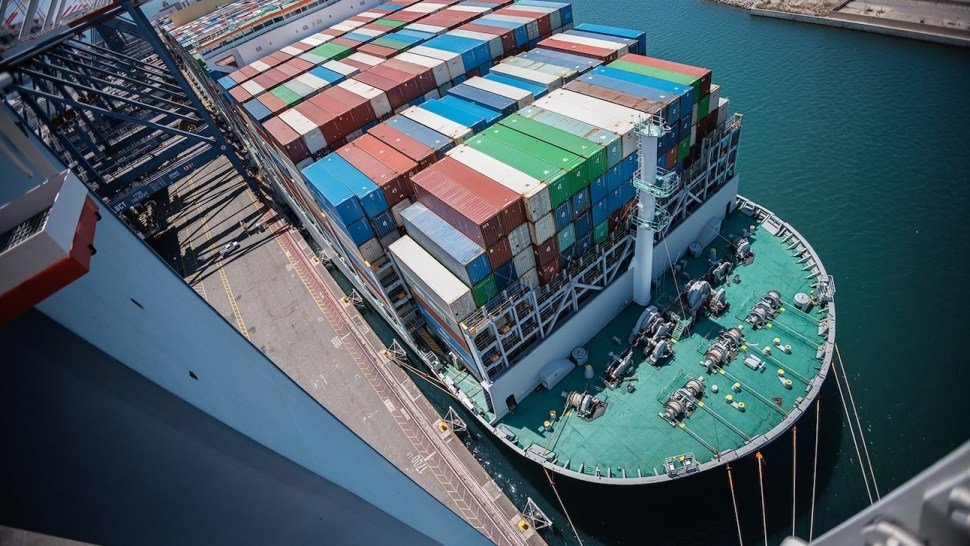
The Port of Long Beach set a new August record, moving nearly 920,000 container units as shippers continued to adjust supply-chain strategies amid tariffs and ongoing geopolitical uncertainty.
The Southern California gateway processed 919,992 twenty-foot equivalent units (TEUs) in August, a 2% increase over August 2025. The monthly total also marked the fifth busiest month in the port’s 115-year history.
Import activity was a major source of momentum. Imports climbed 3.6% year-over-year to 456,100 TEUs while exports increased 4% to 99,754 TEUs.
Empty-container movements, a common indicator of future import activity, fell 0.39% to 364,138 TEUs.
“Our August numbers demonstrate that shippers continue to adapt to tariffs and geopolitical uncertainty and have confidence in the Port of Long Beach’s ability to deliver,” said port Chief Executive Noel Hacegaba in a release.
2026 volumes of cargo are still building
The strong August performance builds on the port’s positive year-to-date result.
The Port of Long Beach moved 6,678,078 TEUs in the first eight months of 2026, up 1.3% from the year-ago period. The total volume amounted to 6.68 million TEUs in the period January-August.
Cargo owners are still opting to ship through the Southern California gateway, even as the trade environment grows more complicated, latest data shows. Changing tariff policies and broader geopolitical risks forced shippers to re-evaluate supply-chain strategies, but those pressures did not stop Long Beach from reporting another strong month.
Of particular note was the combination of higher volumes of imports and exports that offset the modest decline in empty-container movements.
The August record is another signal for the port that its status as a major U.S. container gateway is holding strong even as shippers adjust to changing trade policies and geopolitical uncertainty.