Maritime Nov 2, 2026
Potential strike puts Los Angeles and Long Beach port operations at risk
Contract negotiations involving 250 maritime security workers remain unresolved, raising concerns over possible disruptions at major US West Coast container terminals after the deadline was extended to 4 November.
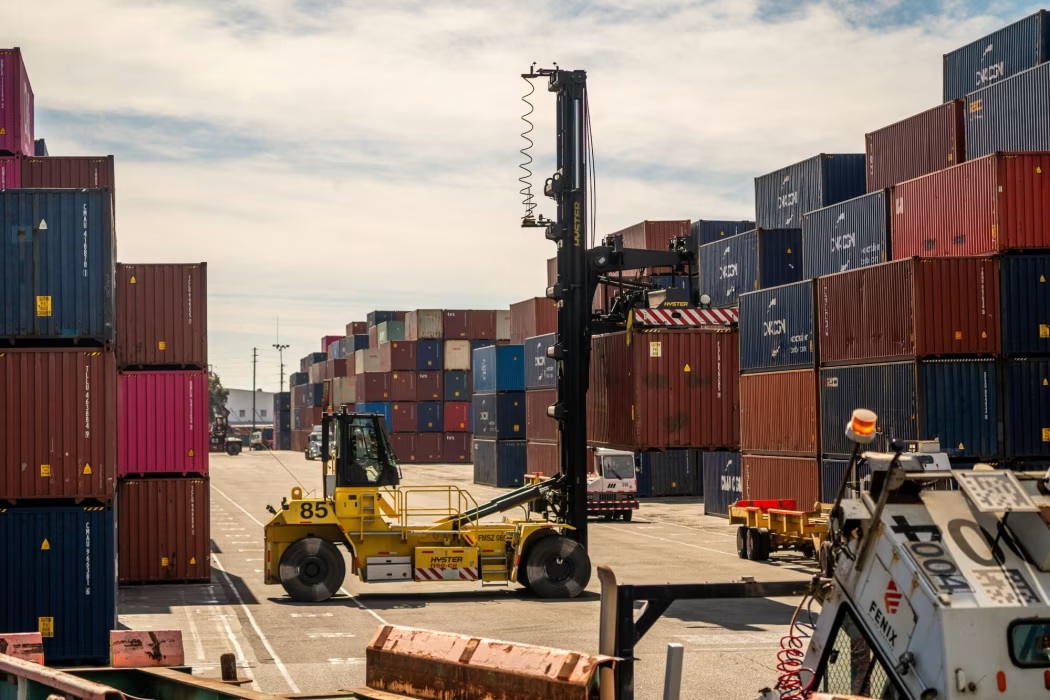
A potential strike involving a relatively small group of maritime security personnel could have far-reaching consequences for container operations at the ports of Los Angeles and Long Beach, two of the busiest gateways for international trade in the United States. With negotiations still unresolved, the prospect of industrial action is raising concerns among shipping companies, distributors and other supply chain stakeholders.
The dispute involves the Pacific Maritime Association (PMA), which represents marine terminal employers along the US West Coast, and International Longshore and Warehouse Union (ILWU) Local 26, representing approximately 250 watchmen employed at terminals across the San Pedro Bay port complex in Southern California.
Although the workforce concerned represents only a small proportion of port employees, its strategic position within terminal operations gives the dispute considerable significance.
Negotiations extended as strike deadline approaches
Industrial action was initially expected on 1 November, when the latest extension of the existing labour agreement was due to expire. However, the PMA and ILWU Local 26 reached an agreement on 30 October to extend the contract deadline until 5pm Pacific Standard Time on 4 November, the day following the US midterm elections.
The additional time is intended to allow negotiations to continue and potentially prevent an operational shutdown.
In a statement released on 30 October, the PMA confirmed that discussions would proceed with support from the Federal Mediation and Conciliation Service.
The association reiterated its commitment to securing an agreement through negotiations, stressing that it wanted to avoid any disruption at the country's two busiest container ports.
A limited workforce with significant operational influence
The potential impact of a strike extends well beyond the approximately 250 workers directly involved.
According to the PMA, ILWU Local 26 members account for around 2% of the union's workforce within the San Pedro Bay container port complex. Nevertheless, they are employed at terminals responsible for handling more than half of the combined cargo volumes passing through the two ports.
Their operational presence covers approximately 85% of cargo activity at the Port of Long Beach and 33% at the Port of Los Angeles.
This concentration makes the dispute particularly sensitive for port operators and cargo owners.
The PMA also clarified that longshore workers, marine clerks and other ILWU employees operate under a separate coastwide labour agreement and are not directly involved in the negotiations between the association and Local 26.
However, their contractual separation does not necessarily prevent wider operational consequences. The PMA warned that these workers are not expected to cross picket lines established by Local 26 members.
Such a situation could bring vessel movements, container yard activities and gate operations to a standstill at the affected terminals, even if the majority of the port workforce is not participating directly in the dispute.
Wages remain among the major sticking points
Compensation is one of the issues continuing to separate the two negotiating parties.
Earlier in the week, the PMA indicated that all tentative agreements reached so far had been based on proposals submitted by the union. Despite this progress, significant differences remain, particularly regarding wage proposals.
The employers' association also highlighted existing compensation levels for full-time watchmen. According to the PMA, these employees currently earn an average annual salary exceeding $170,000, in addition to healthcare coverage and pension benefits funded by their employers.
Seatrade Maritime News has contacted the ILWU to request comments on the negotiations and the outstanding issues. No union response was included in the report.
Distributors warn of wider supply chain impact
Businesses that rely on the smooth flow of imported goods through Southern California are already experiencing the uncertainty.
The National Association of Wholesaler-Distributors said companies with imported inventories should monitor the progress of negotiations and any restrictions on terminal operations closely.
A short period of disruption could result in delays in availability of containers, inland transport and inventory replenishment, the organization said.
These risks are especially worrying when considering existing rail backlogs that could amplify the effects of any further disruption at the ports.
This makes the timing of a potential strike an important consideration for importers, distributors. Delays at the terminals can have a ripple effect that goes beyond the waterfront, affecting inland logistics networks and the availability of merchandise throughout distribution channels.
The next few days will be crucial for the Los Angeles and Long Beach port complex with the deadline now extended to 4 November. The number of workers is relatively small, but their position in the terminal infrastructure means that a failure to reach an agreement could have consequences for a substantial share of container traffic moving through the US West Coast.
END OF REPORT