Land Nov 2, 2026
Reshoring, FDI to create 247,000 U.S. manufacturing jobs in 2025
Reshoring and foreign direct investment maintained their momentum last year, with job announcements broadly matching 2024 levels. The Reshoring Initiative forecasts a 25% increase in reshoring-related manufacturing jobs in 2026.
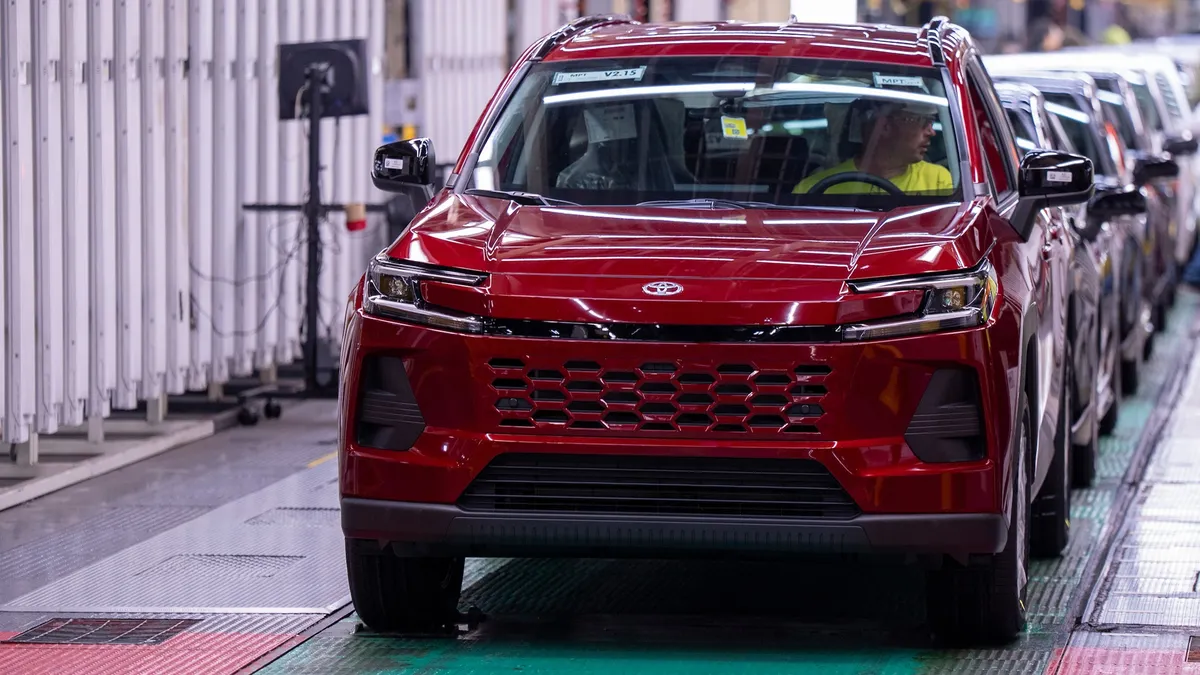
The U.S. manufacturing sector was still enjoying the benefits of industrial activities returning back on U.S. soil in 2025. The Reshoring Initiative’s latest annual report said reshoring initiatives and foreign direct investment (FDI) announcements accounted for about 247,000 manufacturing jobs.
The figure was broadly in line with the previous year, showing firms were still chasing domestic manufacturing investments amid uncertainty over U.S. tariffs and industrial policies. The organization sees more acceleration coming and predicts a 25% increase in job announcements linked to reshoring in 2026.
Transportation equipment had the highest share of announced reshoring positions. A significant investment activity was also noted in pharmaceutical manufacturing. The report is based on 2025 investment data and the results of the 2025 and 2026 National Reshoring Survey.
More companies are thinking about bringing production back to the United States.
The results echo the Reshoring Initiative’s Reshoring Survey conducted in September 2026, which found a growing interest among original equipment manufacturers (OEMs) to bring manufacturing back to the United States.
According to the survey, 36% of respondents already have reshoring operations or are reshoring manufacturing activities to this country. That’s higher than 29% last year.
There are various reasons behind these choices. Since January 2025, manufacturers have increasingly cited tariffs, geopolitical uncertainty and the need to be closer to customers as the primary reasons for reshoring. But the move isn’t universal: 31% of surveyed OEMs said they had no plans to shift production to the U.S.
Those same industrial changes have also led to big pledges of investment from major companies such as Apple and Johnson & Johnson and many others. But the expected benefits are not without problems. With U.S. trade policies in flux, some manufacturers are wondering if making things at home will deliver real sustainability gains.
More than 2.3 million jobs announced since 2010
The story of the reshoring movement is told by long-term numbers. Reshoring and foreign direct investment have announced over 2.3 million manufacturing jobs through 2025 since 2010. Some 1.3 million of those jobs have been posted in the past five years.
This is a watershed moment, not just for the Reshoring Initiative, but for the entire community of manufacturing and supply chain management.
More and more companies are seeing reshoring as a long-term strategic decision, not as a response to short-term disruptions. Supply chain resilience, enhanced domestic manufacturing networks, access to qualified workers and reduced exposure to geopolitical risks are becoming key considerations in investment planning.
Investment activity is dominated by pharmaceutical and transportation equipment
The report identifies a number of factors behind the latest investment trends in U.S. manufacturing.
The uncertainty over tariffs and industrial policies did hold some companies back from making firm commitments on reshoring projects, but the overall trend was solid. Tariffs also prompted other manufacturers to speed up efforts to move production back to the United States.
Transportation equipment recorded the largest number of announced reshoring jobs. This was partly due to a move from battery production to foreign direct investment in finished vehicles, and increased investment in drones and ships.
Pharmaceutical manufacturing has seen significant reshoring activity too. The move is in keeping with the Trump administration’s efforts to strengthen the country’s domestic manufacturing capabilities in strategically important industries.
But tariffs weren’t the only reason companies made their decisions. Businesses also wanted more resilient supply chains, access to skilled labor and to be closer to their customers.
Announced investments included a high share of technology related products, reducing the U.S. trade deficit for these product categories.
The report additionally emphasizes the need for policy stability. If the U.S. industrial policy environment becomes more predictable, a lot of companies that haven’t made a final decision on reshoring could change their mind.”
Reshoring Could Result in 309,000 Job Announcements in 2026
And the Reshoring Initiative expects the trend to grow even stronger in the coming year. It forecasts that reshoring could lead to announcements of about 309,000 additional manufacturing jobs in 2026.
If this forecast is correct, the total number of manufacturing jobs announced since 2010 through reshoring and foreign direct investment would approach 2.7 million.
But for it to continue, a number of things will need to fall into place. That includes the trajectory of U.S. industrial policy, the supply of skilled workers and the ability of companies to evaluate sourcing decisions based on Total Cost of Ownership (TCO) rather than just the price of purchase.
Improvements in U.S. manufacturing competitiveness will also continue to be important.
The organization believes that the large number of conditional projects announced during 2025 may indicate the start of another major investment cycle. If the conditions for policy, workforce availability and industrial competitiveness continue to improve, the United States could see another large expansion in reshoring and foreign direct investment.
The coming years are therefore crucial for manufacturers and supply chain operators to determine if the current momentum of investment can be translated into a lasting transformation of domestic industrial capacity.
END OF REPORT