




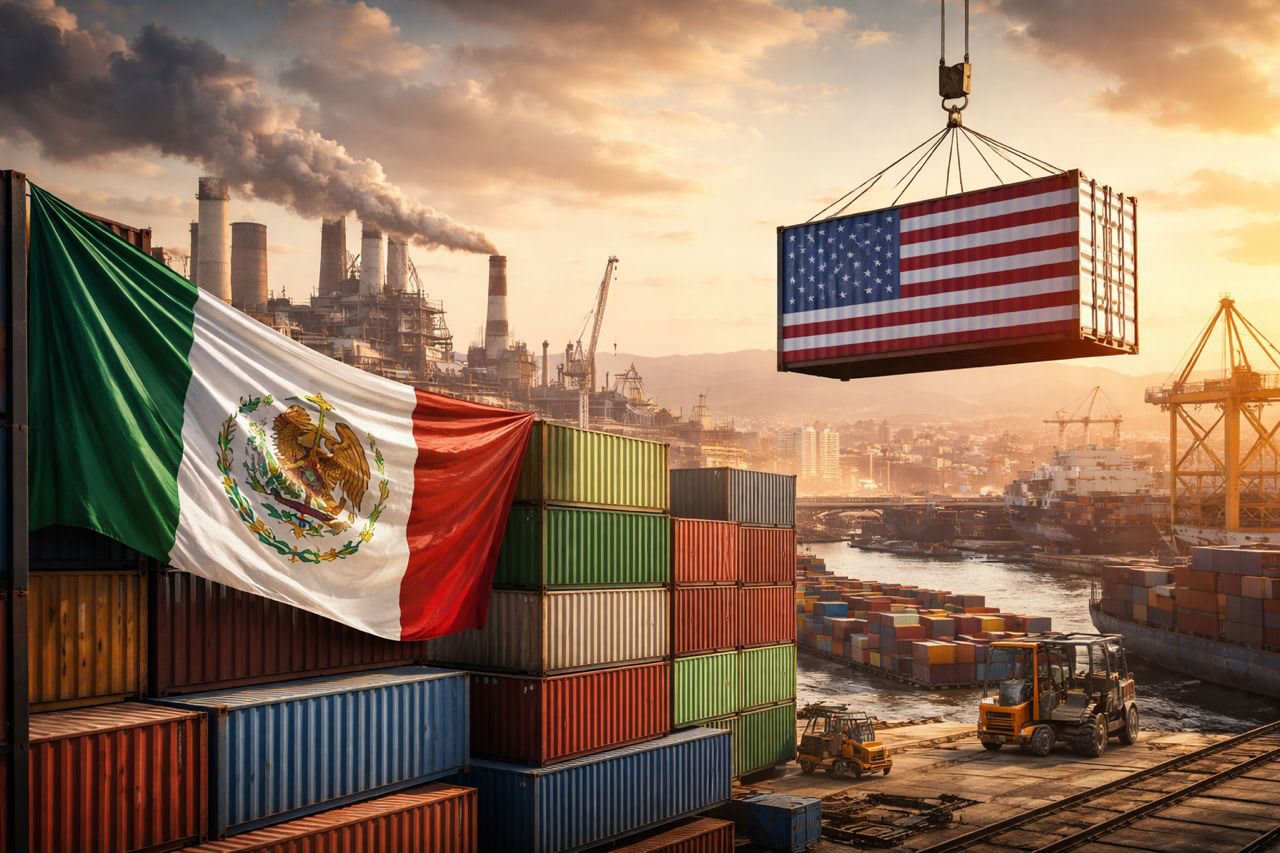
North American cross-border trade enters 2026 with one watchword: volatility. According to the exchanges relayed by Flexport during a webinar dedicated to tariff trends, importers should expect a lot of political noise — and measures that are sometimes less harsh in execution than in announcement. The company reminds that publicly mentioned increases can then be modulated thru postponements, sectoral exemptions, or legal adjustments.
For Flexport, decisions are increasingly sensitive on categories deemed “socially explosive” (cost of living, energy, food, health). Result: Compliance and planning strategies are becoming as important as the negotiation of the transport itself. Another point to watch: the share of imports entering duty-free thanks to the USMCA remains very high, but authorities’ attention to proof of eligibility is increasing, which can lengthen checks and increase the risk of reassessment.
Finally, a major factor of uncertainty hangs over the tariff mechanism: the anticipation of a decision by the American Supreme Court regarding the use of an emergency framework to impose certain duties. Several scenarios are being discussed, including the possibility of retroactive refunds. For logisticians, the operational message is simple: document better, simulate multiple cost scenarios, and avoid managing the supply chain based on “headline” announcements without validation.