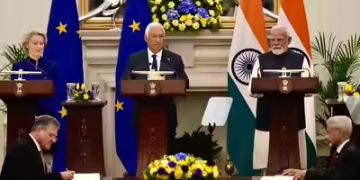




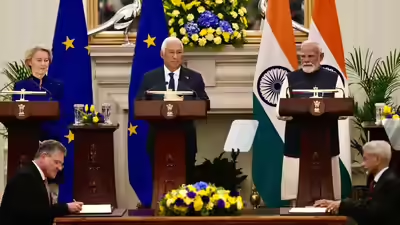
India and the European Union have finalized a historic free trade agreement aimed at gradually lowering or eliminating tariff barriers on a wide range of industrial and manufactured goods. This agreement, one of the most important negotiated by New Delhi, covers key sectors such as capital goods, textiles, chemicals, and technology.
Analysts believe that this pact will have considerable effects on global maritime flows, particularly between South Asia and major European ports. Strategic maritime corridors between India and Europe are now expected to absorb increased volumes, with significant implications for shipping companies, port operators, and international freight forwarders.
According to recent economic data, some European economies like Spain and Germany have already seen a notable growth in Indian exports, a preliminary sign of a structural transformation in maritime trade. This development should encourage investments in port infrastructure, strengthen logistical capacities, and increase the frequency of direct services between Asia and Europe in the coming trade cycles.