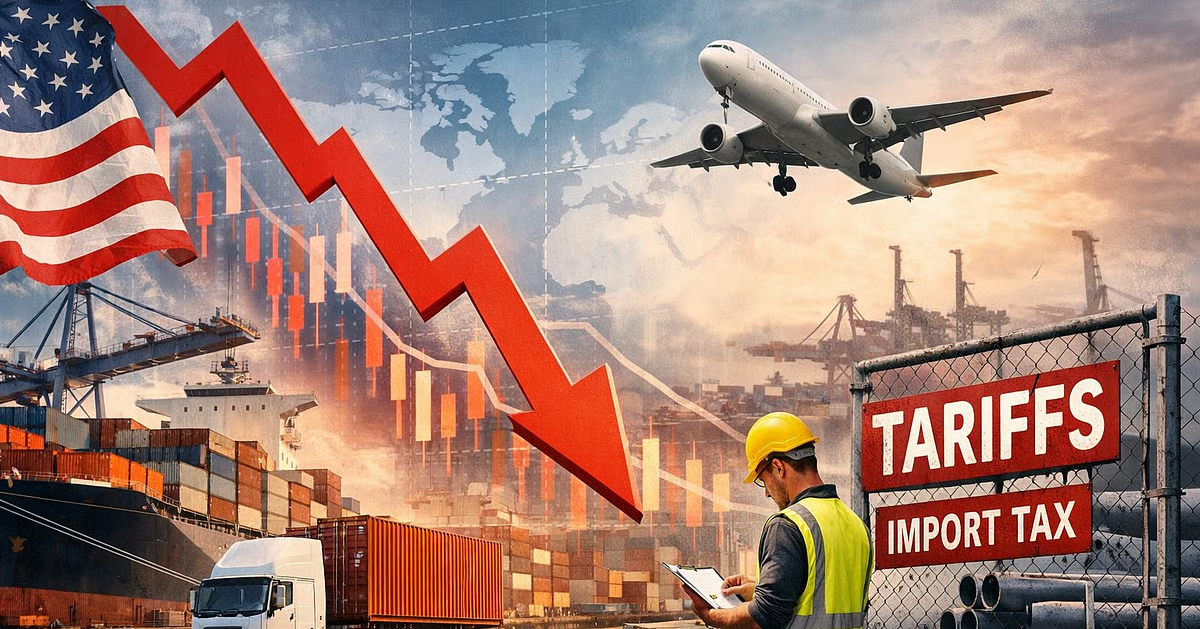




In a context of persistently tight logistics markets, international freight players are facing a confluence of tariff pressures, network restructurings, and operational disruptions. On one hand, companies like UPS are reorganizing their operations in response to a decline in traditional parcel volumes, particularly related to their former contract with Amazon. On the other hand, tariff policies and trade negotiations continue to influence routing choices and priority destinations for air and sea freight.
For example, customs tariff adjustments in Eurasia and potential free trade agreements are changing trade dynamics, while carriers and maritime operators are dealing with challenges of service punctuality and unconventional transit practices such as “dark fleet” transfers. These combined dynamics highlight a trend where predictability becomes a key criterion for shippers, who demand greater tariff clarity, reliable services, and adaptive operational plans in an uncertain global environment.