



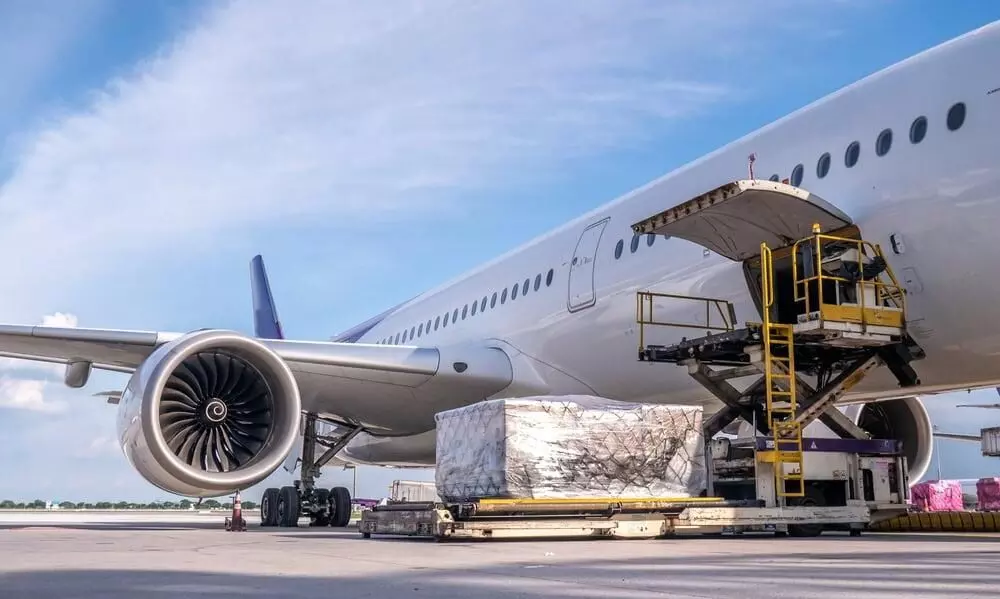
Air cargo demand across Asia Pacific remained strong in February, even as seasonal factory closures linked to the Lunar New Year typically dampen activity.
Data released by the Association of Asia Pacific Airlines shows international air cargo demand increased by 8.7% year-on-year, measured in freight tonne kilometres.
The performance was driven by continued demand for e-commerce shipments and manufactured goods across the region, highlighting the underlying strength of Asia’s export-driven economies.
Capacity grew at a slightly slower pace of 8.3%, allowing the average freight load factor to edge up to 58.2%.
AAPA director general Subhas Menon said strong business confidence and rising export orders supported demand, with volumes increasing by 7.6% over the first two months of 2026 compared to the same period last year.
However, geopolitical developments are starting to weigh on operations. The escalation of tensions in the Middle East has reduced available airspace along key Asia–Europe routes, forcing airlines to adjust flight paths and limiting network flexibility.
At the same time, fuel costs have surged sharply. Jet fuel prices rose from around $90 per barrel earlier in the year to approximately $150 per barrel in March, significantly increasing operating costs.
Longer flight routings, combined with higher fuel prices, are putting additional pressure on airline margins.
While the broader outlook remains positive, Menon warned that prolonged geopolitical instability could increase inflationary pressures and weaken both business and consumer confidence across cargo and passenger markets.