



As humanitarian crises become more frequent and more complex, the role of airlines in moving aid quickly has become increasingly important. For United Cargo, that responsibility has grown alongside wider investment in technology and network resilience.
The airline says it has played an important role in maintaining the movement of essential goods during global disruptions, particularly medical equipment and healthcare-related shipments. Through its broad international network and ability to adapt routing and capacity at short notice, United Cargo is able to respond when time-critical cargo must move under pressure.
That agility becomes especially valuable when logistics systems are disrupted or urgent supplies are needed in affected regions. United says its network structure, built around multiple gateways and frequent international connections, allows cargo teams to reroute shipments and preserve transit times even when operational conditions change.
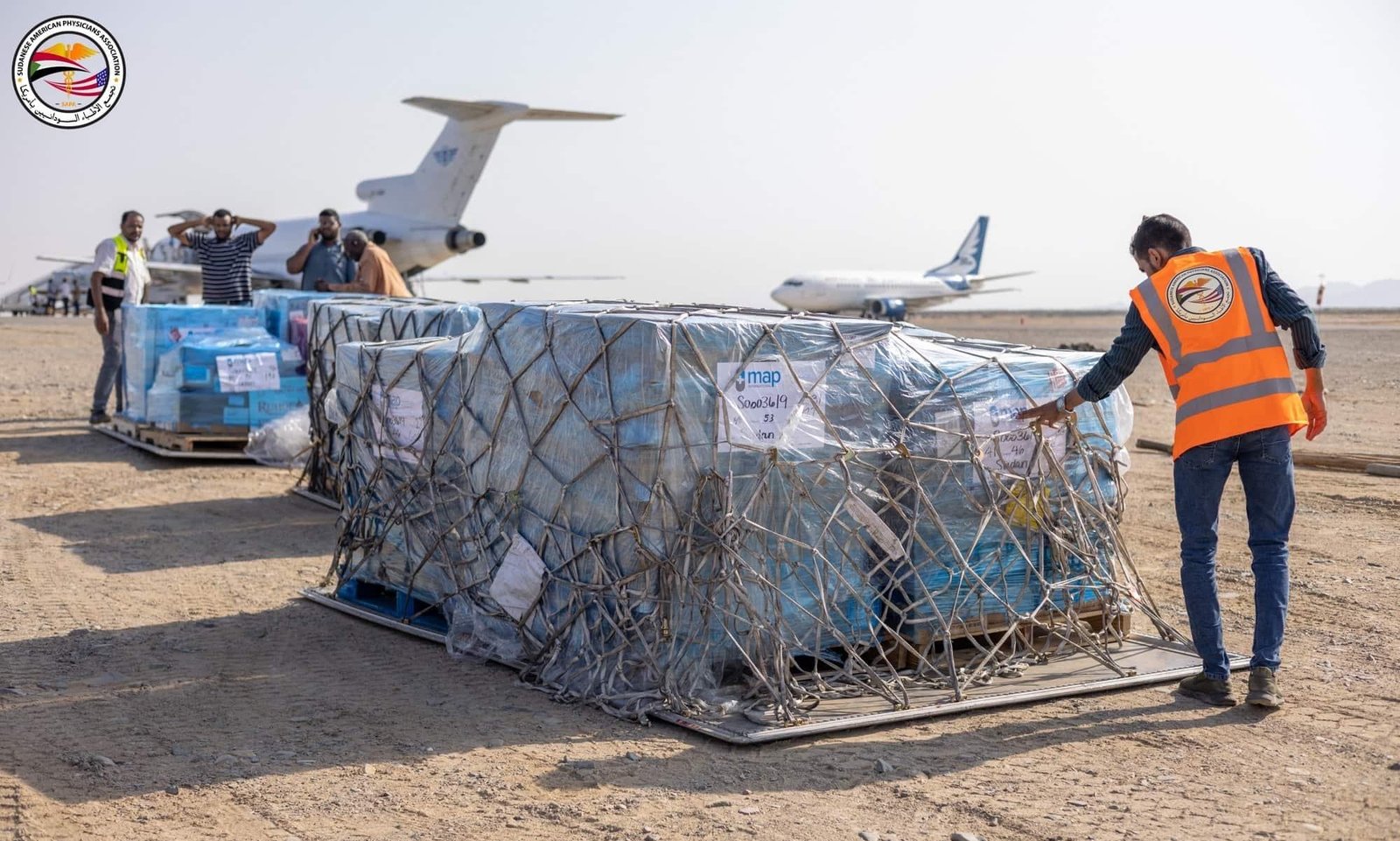
The airline supports humanitarian response by carrying key relief items such as medical supplies, food and shelter materials, while also working closely with non-governmental partners. Through its partnership with Good360, United helps move donated goods and hygiene kits around the world. It also supports the Make-A-Wish Foundation by facilitating travel for children and their families.
At the same time, humanitarian airfreight itself is evolving. Over the last year, aid logistics have increasingly been integrated into more resilient and digitally connected cargo systems. Alternate routing options, greater visibility and stronger coordination tools are helping the sector respond faster and more effectively when disruptions occur.
Specialised handling is becoming more important too, particularly for pharmaceuticals and healthcare products that require temperature-controlled transport and stricter process discipline.
United Cargo says humanitarian shipments are handled through its normal network rather than through a completely separate operating model. That means the airline can move aid using scheduled services without fundamentally disrupting its wider operations. During events such as the Los Angeles wildfires, for example, cargo flights continued moving essential goods even when passenger activity faced restrictions.
Technology is central to that approach. United Cargo has invested in a range of digital platforms designed to improve visibility and give customers better access to capacity across its global network. Booking and pricing tools linked to online marketplaces allow customers to identify available space and secure shipments more efficiently, while tracking systems and digital documentation provide better transparency throughout the journey.
The airline says these capabilities are supported by integrated operational control centres and predictive analytics, which help monitor network conditions and support real-time decision-making. In practice, that means better disruption management, quicker response times and a stronger ability to restore cargo flows when problems emerge.
Predictive tools also help United anticipate shifts in demand and changing operational conditions. By analysing network data and monitoring for disruption risk, cargo teams can adjust capacity and routing before issues escalate. Planning models also factor in expected demand peaks and seasonal patterns, helping the airline protect space and manage resources more effectively.
The operational backbone of this system lies in centralised coordination. Integrated control centres oversee flight movements, cargo flows and network performance in real time, giving teams a shared view of operations and helping them act quickly when adjustments are needed.
United also says it is working to improve shipment visibility for humanitarian customers. Through integrated digital platforms, customers can follow shipment milestones and track cargo status more closely across the logistics chain. That added transparency helps strengthen reliability and gives customers more control over high-priority shipments moving through complex supply chains.
Cross-functional teams review performance continuously, analysing routing, handling and shipment data to make sure cargo is moving as planned. For temperature-sensitive freight, specialised handling procedures and controlled storage conditions are used to protect product integrity from origin to destination.
Of course, delays still happen. When they do, United says teams use tracking systems and milestone monitoring tools to identify deviations quickly. Routing data, timestamps and handling information are then reviewed to locate the source of the problem and trigger corrective action. The airline says these lessons are also fed back into future planning so that operations become more resilient over time.
For United Cargo, humanitarian logistics is no longer just about having space available when disaster strikes. It is increasingly about building an air cargo system that is visible, flexible and coordinated enough to respond effectively when every hour counts.