Events Nov 11, 2026
ACT Expo 2027 shifts its focus to diesel efficiency and rising fleet operating costs
Moving away from the digital and clean-technology emphasis of its 2026 edition, the Las Vegas event will put fuel efficiency, diesel technologies and cost reduction at the forefront of its 2027 programme, while maintaining a place for electric, hybrid, hydrogen and natural gas solutions.
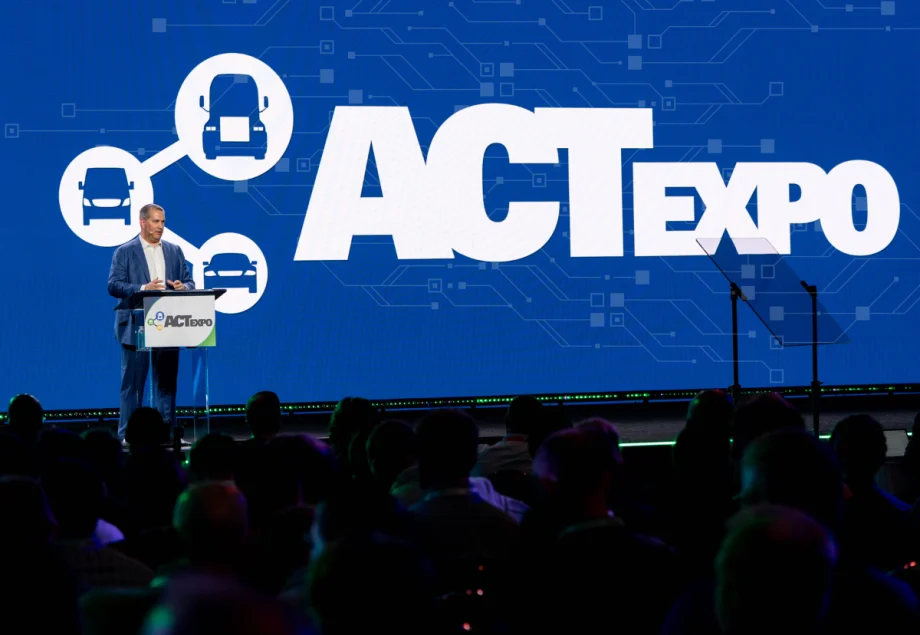
ACT Expo’s 2027 programme is all about fuel economy and fleet operating costs, mirroring the growing financial pressures on commercial transport operators. Registration is officially open for the next edition, which will be held May 17-20 at the Las Vegas Convention Centre in Las Vegas.
The focus on operating costs is a significant shift in direction for an event that has traditionally emphasised clean transportation and digital innovation. The 2026 edition featured executives from Rivian and Mack Trucks on the keynote stage, with the programme centred on digital solutions and clean fleet technologies. But for 2027, diesel prices and fuel consumption have jumped to the top of the organizers’ priorities.
Diesel prices are a major concern for fleet operators, ACT Expo said. The move comes against a backdrop of fuel prices in the United States that have been extraordinarily high. The Energy Information Administration’s weekly Gasoline and Diesel Fuel Update shows that the average price for on-highway diesel hit a record $6.529 per gallon for the week of September 21. That followed a series of record highs through September. By the week of Nov. 9, the average had dropped to $6.127 per gallon, according to the same agency.
Erik Neandross, founder of ACT Expo, pointed out the commercial importance of the issue in the announcement for the event, “This is no longer simply a sustainability conversation, it’s a business imperative.
A different combination of diesel and alternative technologies
“The 2027 programme is a reflection of changing priorities across the commercial vehicle space. In November 2025, ACT Expo announced its 2026 agenda, reinforcing its established position in clean transportation and adding coverage of artificial intelligence, autonomous driving, connectivity and software-defined vehicles.
But there was far less attention paid to diesel technology in that announcement, with just one session dedicated to diesel and hybrid efficiency. A major programme theme of fuel prices was not identified.
For 2027, it’s a whole different thing. The agenda starts with fuel consumption and operating cost reduction by diesel technologies, improved aerodynamics, right-sizing vehicles and telematics and AI-powered fleet management.
But alternative powertrains are still on the agenda at the show. Electric and hybrid vehicles, hydrogen and natural gas technologies will remain, based on the principle of choosing the right technology for the specific application. EV infrastructure will also hold a dedicated slot, including megawatt charging developments.
The shift in emphasis is also evident in the way ACT Expo speaks about the vehicles that are expected to attend the show. In its announcement for the last edition, it showcased more than 200 low and zero-emission vehicles. The organisers are pushing an exhibition of more than 200 advanced commercial vehicles for 2027, a wider description that embraces a broader range of technologies.
Another technology that is coming back into greater prominence is natural gas. Natural gas-powered trucks were a big presence at ACT Expo between 2011 and 2018, FreightWaves reported in 2023 in a look at how the show morphed into a major trucking industry event, before the show’s focus shifted more to electric trucks.
But natural gas never disappeared completely from the exhibition floor. Westport showed its next-generation compressed natural gas (CNG) fuel system on a Volvo VNL at the 2026 edition, and ACT Expo has now confirmed that natural gas is one of the key technologies to be highlighted again in 2027.
Early registration incentives and exhibition arrangements
Alongside the programme announcement, ACT Expo has introduced several incentives designed to encourage participation from fleet operators and shippers. Early-bird registration rates will remain available until December 11.
Two additional offers are being introduced. Companies purchasing two registrations through the team package can receive complimentary passes for eligible team members. Meanwhile, qualifying first-time attendees from fleet and shipper organisations may be entitled to a free pass.
The event will also continue its professional development initiative for a second consecutive year. During the 2026 edition, more than 25 conference sessions and 10 workshops received approval for continuing education credits through the NAFA Fleet Management Association and Green Business Certification Inc.
The exhibition hall is scheduled to open on May 18 and 19. Daimler Truck North America, Penske Transportation Solutions and Geotab have been named as presenting sponsors, while WSP is responsible for producing the event.
The programme has also been shaped by ACT Expo's Fleet Planning Committee. Its members collectively oversee hundreds of thousands of commercial vehicles, bringing direct operational experience to discussions about fleet investment priorities and technology adoption.
According to the organisers, the committee's contribution has helped ensure that the agenda addresses the investment decisions with the greatest potential impact on fleet operations.
Neandross emphasised the importance of evaluating technologies based on their actual financial and operational benefits: “Every investment decision matters, and understanding which technologies can deliver real savings and operational improvements has never been more critical,” he said.
Fleet efficiency remains the common priority across all powertrains.”
“ACT Expo will enable fleet operators planning their 2027 equipment budgets to see how much more efficient diesel is compared to electric, natural gas and hydrogen-powered commercial vehicles all in one exhibition environment.
The changed emphasis of the programme reflects a growing need to balance decarbonisation goals with the immediate commercial pressures. But fleet managers need to consider the environmental performance of new technologies, as well as the savings they can generate and how they can improve day-to-day operations as fuel prices continue to impact on operating budgets.
The conference's priorities have evolved since 2026, but the fundamental objective remains constant: enhancing the efficiency of commercial fleets, regardless of the powertrain chosen.
END OF REPORT