



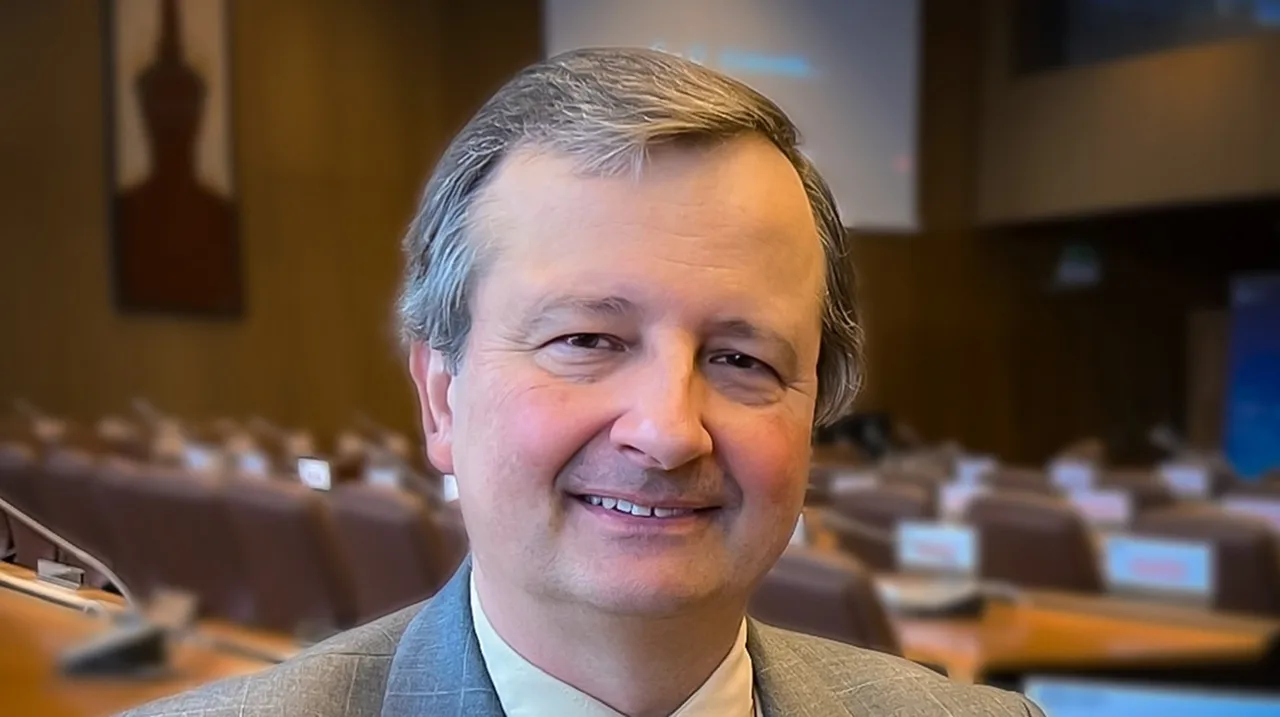
The issue of seafarer fatigue moved higher on the international agenda during the latest meeting of the International Maritime Organization’s Human Element, Training and Watchkeeping Subcommittee, according to Phil Schifflin, director of the Center for Mariner Advocacy at the Seamen’s Church Institute.
Writing after attending the session in London from February 23 to 27 as a representative of the International Christian Maritime Association, Schifflin said the meeting addressed a number of important issues, but that the examination of fatigue-related provisions within the IMO framework was particularly significant.
He noted that the broader agenda was largely dominated by the ongoing comprehensive review of the STCW Convention, the international framework governing training, certification and watchkeeping standards for seafarers worldwide. That review, he said, has already been underway for several years and is likely to continue for several more before completion.
The subcommittee also examined emerging questions around specialised training requirements for seafarers working aboard vessels powered by alternative fuels, an issue expected to become increasingly important as the shipping industry adopts new energy technologies.
However, the fatigue review was the topic that drew most of Schifflin’s attention. The aim of the scoping exercise was to identify the issues and reference materials that should be taken into account as the IMO considers how best to address fatigue at sea.
Delegates did not all share the same view. Some supported a narrower review focused on a smaller set of issues, while ICMA argued in favour of a broader and more holistic approach to understanding the causes of fatigue. According to Schifflin, that broader position ultimately gained the support of a majority of delegates.
The next stage of the process will now continue through a correspondence group that will work between now and the next HTW Subcommittee session in 2027. Schifflin said he expects to take part in that group on behalf of ICMA.
He also pointed out that another IMO body, the Subcommittee on Implementation of IMO Instruments, could become involved in the fatigue debate. That committee is responsible for much of the guidance used in port state control procedures, and questions are now being raised about whether additional tools or processes could help inspectors identify violations related to seafarers’ hours of work and rest more effectively.
Schifflin said he will be watching closely as the III Subcommittee’s agenda develops ahead of its next meeting later in July. If fatigue appears on that agenda, he expects to attend and again represent ICMA.
For ICMA, he said, the objective remains clear: ensuring that the wellbeing and voices of seafarers remain at the centre of the IMO’s regulatory discussions. He described HTW as one of the most important forums for advancing that goal and said he was encouraged by signs that the latest debate has opened the way for a more comprehensive examination of one of shipping’s most persistent human-factor challenges.