Land Nov 10, 2026
Amazon and Alternative Carriers Capture More Parcel Volume as UPS Loses Ground in 2026
The e-commerce giant increased its U.S. parcel deliveries by 9.7% in the first half of the year, while FedEx and smaller delivery networks also benefited from shifting shipping volumes, according to ShipMatrix.
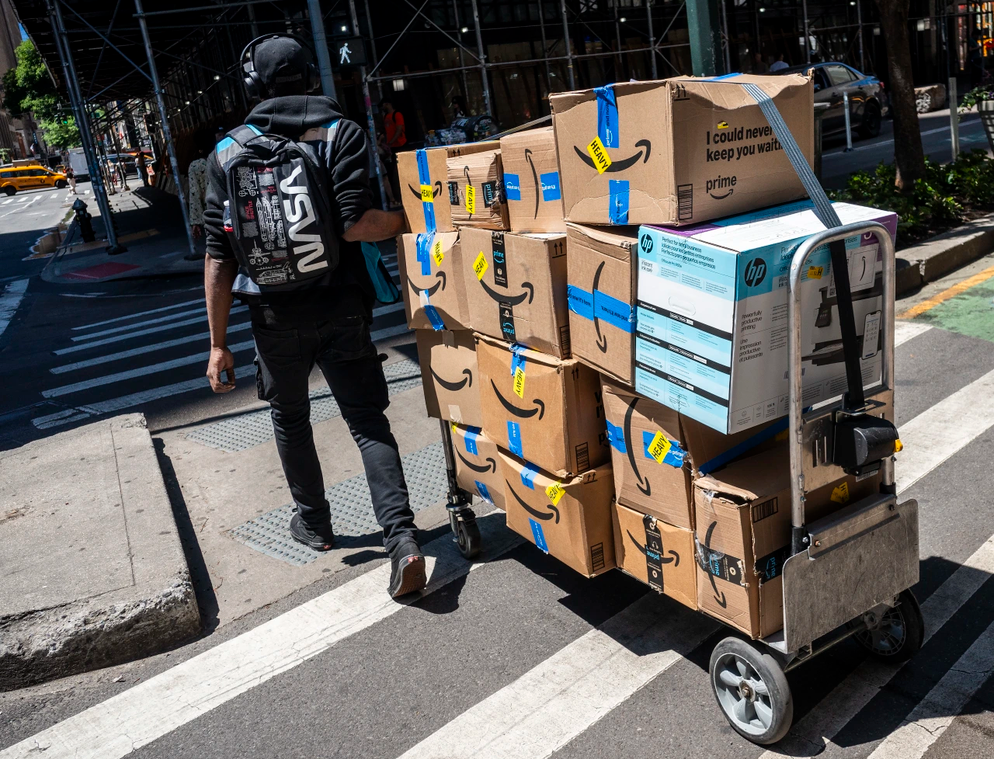
In the first half of 2026, Amazon kept adding to its position in the U.S. parcel delivery market, with delivery volumes up 9.7% from the same period last year. The expansion is part of the company's efforts to rely less on outside shipping partners like UPS and expand its delivery network into rural areas.
Shipping consultancy and analytics provider ShipMatrix released the numbers in an October 27 release of its 2026 peak-season forecast.
UPS, by contrast, saw its parcel volumes fall 5.7% in the same six-month period. The decline comes as the carrier continues to scale back its Amazon-related shipments and focus on more profitable business segments.
UPS wrapped up a plan to cut its Amazon delivery volume in half in June. The plan was first announced in 2025. The move is part of a broader push to shift capacity to other customer segments and improve the profitability of its parcel operations.
Amazon continues to expand its delivery network
Amazon’s latest performance follows years of gaining market share in the U.S. parcel business. By 2025, the company’s logistics operation surpassed the U.S. Postal Service (USPS) in shipment volume to become the country’s largest parcel carrier. But on revenue-based market share, Amazon still lagged UPS and FedEx, according to ShipMatrix data published in March.
Reducing dependence on third party delivery providers remains a key part of Amazon’s logistics strategy. The company is increasingly moving shipments through its own network and is also encouraging businesses to use Amazon Shipping, its delivery service for third-party customers.
Amazon Shipping, which was released earlier this year to all customers, is priced aggressively to draw more shippers and challenge established carriers like UPS and FedEx.
USPS loses volume as FedEx continues to grow
The U.S. Postal Service also declined, with parcel volumes dropping 3.1% from the first half of 2025 to the first half of 2026, according to ShipMatrix.
Its Ground Advantage service has grown in volume this year, but other shipping categories, including Parcel Services and Priority Mail, have been down in volume. The trend is evident in the agency’s most recent financial results.
Postmaster General David Steiner said the USPS should focus on heavier and more valuable packages in its effort to shore up its finances and make its delivery operations more economical.
FedEx, however, took a different approach. The carrier said U.S. parcel volumes in the same period increased 4.6%, due to stronger activity in higher-value customer segments, particularly automotive and healthcare.
The market redistribution is good news for smaller delivery operators and retailers.
The rerouting of packages that once went through UPS and USPS hasn’t just been a boon to Amazon and FedEx.
Another 145 million packages were handled by alternative delivery providers such as OnTrac, Veho, Jitsu, DoorDash, SpeedX and UniUni, according to ShipMatrix.
Some of these diverted volumes have been absorbed by large retailers through their own logistics networks. One of the companies reaping the benefits of this shift is Walmart, as major retailers continue to build their own delivery capabilities to have more control over their distribution operations.
Such moves are part of a wider trend in the U.S. parcel industry where traditional carriers are increasingly competing against e-commerce companies, specialist delivery businesses and retailers with their own networks.
Peak season set to drive more volume growth
ShipMatrix expects the U.S. parcel market overall to continue to grow during the upcoming peak holiday shipping season.
The consultancy is forecasting a 4% increase in parcel volumes compared with the same period in 2025. This growth is expected to be helped by an extra shopping day on the calendar.
“Higher freight rates and climbing fuel costs are probably going to put more pressure on shippers during the busy season. ShipMatrix said fuel prices could also increase further in December, adding to the financial strains companies are facing as they handle higher shipment volumes.
With competition heating up and delivery networks changing all the time, the next holiday rush will be yet another trial of how well carriers can take on more demand and still be cost-effective.
END OF REPORT