



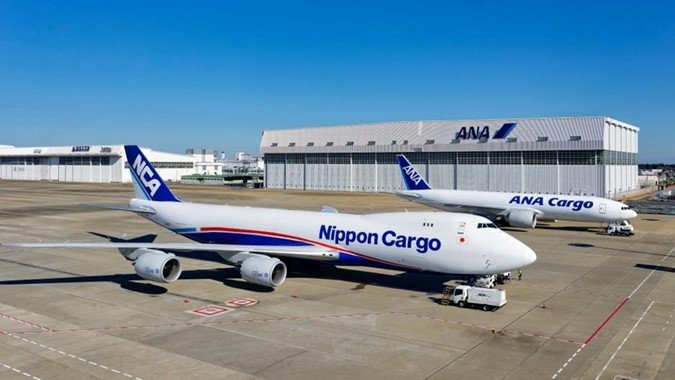
After the acquisition of Nippon Cargo Airlines (NCA), the ANA group is embarking on a structuring phase: unifying the cargo governance of All Nippon Airways (ANA) and NCA into a more integrated organization, designed to make decisions faster and manage freight as a fully-fledged profit center.
The important point is that NCA does not disappear: the stated intention is to maintain a distinct operation with its own air operator certificate, while creating a structure capable of centralizing the cargo strategy: capacity planning, sales, marketing, handling, systems, and network decisions. In other words: “a single management” without necessarily “a single company” from a regulatory standpoint.
In fact, the goal is to simplify the customer’s life: unified commercial access to the cumulative capacity, and better consistency in ground execution. The first synergies mentioned mainly concern cargo handling at major American airports, with a consolidation of operations in already existing facilities.
In the medium term, the trajectory aims for a complete transformation by March 2027, with a clear logic: reduce the dispersion of responsibilities (often typical of passenger groups), accelerate cargo arbitrations, and extract more value from the freighter + belly capacity duo—while capitalizing on mechanisms deemed more reliable than classic interlines.