Land Nov 19, 2026
ATA Proposes a Two-Stage Strategy to Tackle ELD Fraud in the U.S
The American Trucking Associations calls for immediate measures to detect fraudulent electronic logging records and a long-term independent certification framework, drawing inspiration from Canada's existing system.
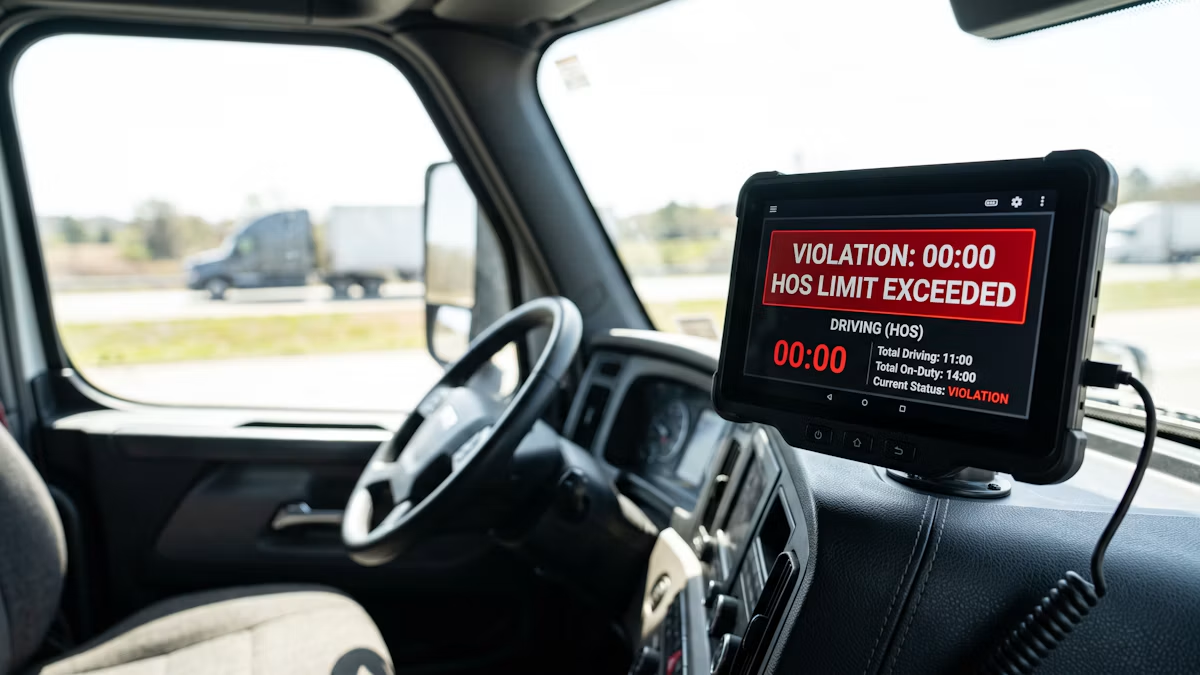
The American Trucking Associations (ATA) is urging the Federal Motor Carrier Safety Administration (FMCSA) to overhaul its approach to Electronic Logging Device (ELD) oversight as fraudulent practices continue to undermine the integrity of the U.S. trucking industry.
In a report published earlier this week, the association outlines a series of short- and long-term measures designed to curb ELD-related fraud. Among its central recommendations is the introduction of an independent certification framework for devices approved for use in the United States, with Canada's existing system serving as a potential reference.
The report, prepared by an internal ATA task force, also recommends that FMCSA eventually delegate the accreditation and certification process to an independent third party.
Speaking to FreightWaves, Kevin Grove, ATA's director of safety and technology policy, explained that the task force brought together 25 participants, including representatives from ATA member companies and association staff.
He pointed out that the current U.S. approval process relies on manufacturers' self-certification. Companies seeking authorization must demonstrate compliance with requirements established by FMCSA.
However, Grove noted that the agency has recently started examining certification submissions more closely than it did in previous years.
This increased scrutiny is already reflected in enforcement activity. Last week, FMCSA withdrew authorization from 133 ELDs as part of its efforts to eliminate fraudulent devices from the market.
Revocations accelerate under the Trump administration
The scale of recent enforcement measures is particularly evident when compared with previous years.
According to FMCSA's downloadable Excel database of revoked ELDs, nearly 300 devices have lost their authorization since the Trump administration took office. By comparison, fewer than 200 revocations were recorded throughout the four years of the Biden administration.
For the ATA, however, the issue extends beyond the current wave of removals. The association wants to establish what happens once the intensified enforcement campaign loses momentum and how the industry can maintain a reliable oversight system over the longer term.
The task force's objective, as outlined in the report's introduction, is to develop a comprehensive package of policies and actions capable of restoring confidence in the ELD ecosystem immediately while ensuring lasting trust in the devices and the federal databases listing their providers.
Rather than building an entirely new certification structure, the ATA recommends that FMCSA improve and expand existing mechanisms. Its preferred reference point is Canada's ELD certification framework.
Canada’s certification system provides a model
A practical example of the value that independent technical expertise can add to device certification is provided by the Canadian system.
“We find Canada’s framework to be a good organizational model for integrating independent technical assessments into a robust certification process,” says the ATA.
However, the association does not advocate a simple adoption of the Canadian system. It recommends that the United States establish its own framework, tailored to domestic regulatory needs and operated independently of Canada's program.
ATA also encourages FMCSA to continue harmonization between the two systems to the extent practicable, particularly regarding technical standards and testing protocols.
Under the proposed arrangement, FMCSA would fund the development of an accreditation program that would facilitate third-party ELD certification.
The agency would still interpret regulations, investigate violations and enforce compliance, as well as define and update technical requirements. Accreditation and certification activities would be carried out by independent qualified organizations.
Such a division of labor would allow the FMCSA to focus on its regulatory and enforcement functions, while drawing on specialized expertise from outside the agency, to the benefit of the ATA.
The consultation 2022 can be the starting point
The regulatory basis for such reform may already exist.
In 2022, FMCSA issued an Advanced Notice of Proposed Rulemaking (ANPRM) to seek public comment on potential changes to ELD regulations. The consultation did not result in any changes to the policy but did receive 1,377 comments.
The ATA task force believes these contributions, and other recommendations made during the consultation, could provide the basis for the next stage of regulatory reform.
The association recommends that a formal Notice of Proposed Rulemaking (NPRM) be released. The process would provide FMCSA with a way to measure interest among potential providers of accreditation and certification, and to evaluate their operational capabilities and the terms under which they would participate.
Deliberately, the report does not set a fixed deadline for implementation.
Instead, ATA urges FMCSA to use the NPRM process to establish a suitable compliance schedule to be incorporated into the final rule. We believe this time frame will provide sufficient time to develop the infrastructure needed to implement accreditation and certification and to certify existing ELDs prior to the effective date of the new requirements.
The association also stresses that certification cannot be treated as a one-off administrative procedure. Compliance must be maintained for the entire life of each device.
Urgent action needed ahead of long-term reform
ATA believes FMCSA should not wait for new regulations before closing known vulnerabilities, though a full certification framework would take time to develop.
It recommends things that can be done in the short term without going through the full rulemaking process. These measures would address fraudulent activity already uncovered in the current ELD system.
Ultimately we want to make electronic logging devices a tool that can be used to detect and prevent fraud, not a tool that can be manipulated by unscrupulous operators to commit fraud.
To accomplish this, the association is pushing for more monitoring and verification points across the device and supplier ecosystem.
“No single checkpoint is going to catch all fraudulent activity, the report says. But more checks, more frequent checks and checks at different stages would increase the chances of spotting irregularities and reduce the time available to fraudulent operators to continue their activities undetected.
One of the immediate recommendations is to increase the use of electronic records of duty status (ERODS) to spot suspicious patterns.
The ATA points to several red flags that could indicate altered records, including out-of-sequence file numbers, physically impossible travel distances and modifications to driver information.
How fraudulent ELD manipulation works in practice
Kevin Grove also described a fraud method involving the manipulation of drivers' available Hours of Service (HOS).
According to accounts he has received, a driver approaching the legal limit for driving and working hours may be instructed to contact a specific telephone number.
"They can call the number, and then through wireless communication, they're able to upload new logs to the device that essentially shows the driver has more hours of service available," Grove explained.
The manipulation can make the electronic records appear entirely legitimate during an initial inspection. Grove said the resulting documentation may look immaculate, potentially making the fraud difficult to identify through a basic review of the ELD data alone.
However, examining additional documents can expose inconsistencies. Fuel receipts and bills of lading, for example, may reveal discrepancies between the driver's recorded activity and the actual movements of the vehicle.
For the ATA, this illustrates why stronger certification requirements must be accompanied by more comprehensive verification procedures. Combining independent device certification, continuous oversight and cross-checking of operational records could significantly strengthen the industry's ability to identify fraudulent activity.
Ultimately, the association wants to establish a system in which ELDs provide reliable evidence of regulatory compliance and become an active part of the fight against freight fraud, rather than another vulnerability that criminals can exploit.
END OF REPORT