Air Nov 23, 2026
Belgium’s General Strike Triggers Major Disruptions to Air Cargo Operations
Industrial action involving Belgian air traffic controllers is forcing widespread flight cancellations at Brussels Airport, while cargo operations at both Brussels and Liège airports face significant disruption.
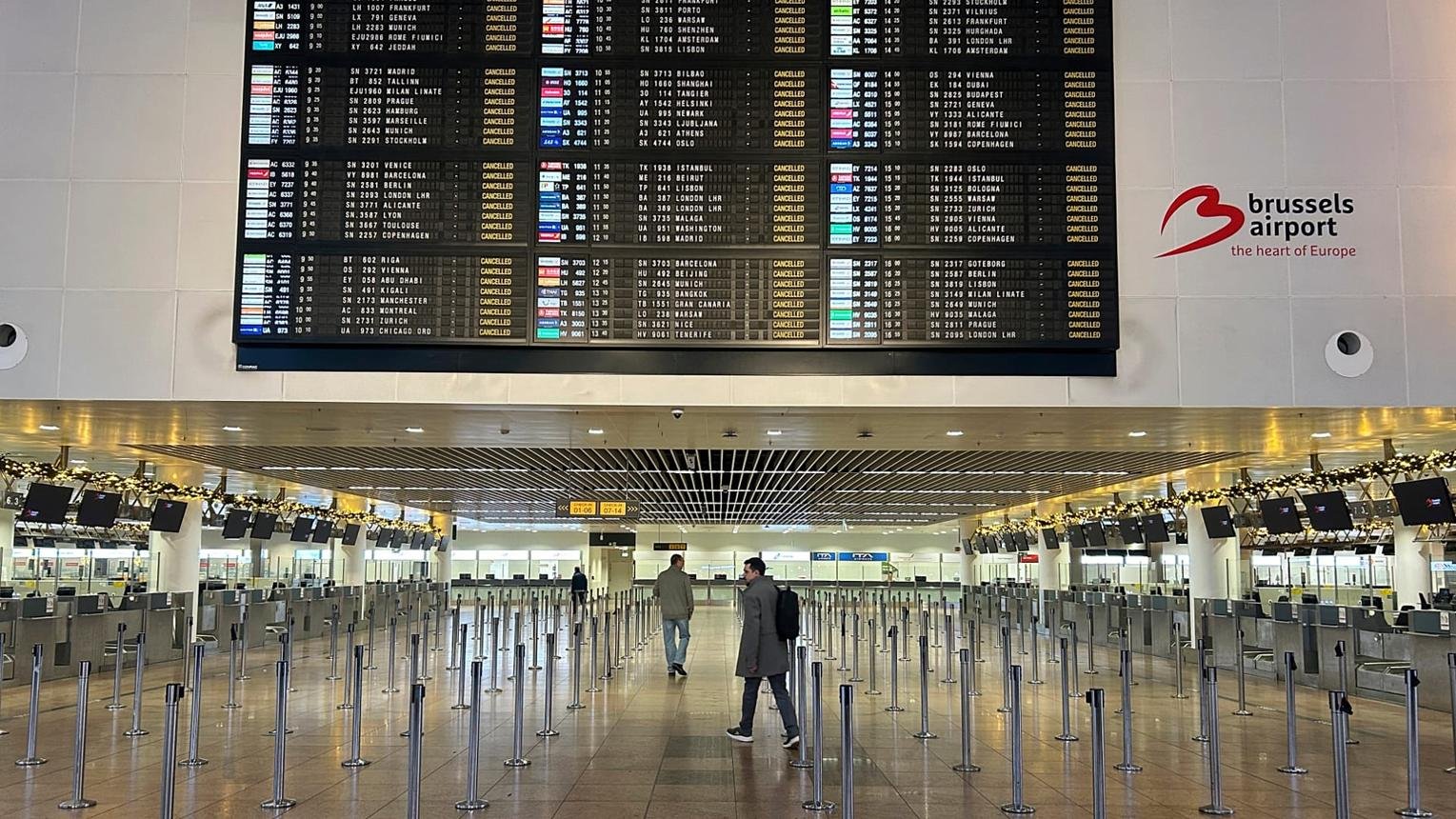
Belgium’s aviation industry is taking a heavy hit as a nationwide general strike, called in protest against proposed government austerity measures, is disrupting air traffic and airport operations across the country.
Skeyes, the air navigation service provider for Belgium, is impacted by industrial action by its employees, which is expected to cause delays and operational constraints for air cargo activities.
Brussels Airport (BRU) has confirmed that the strike will seriously affect its flight schedule. In a statement posted online, the airport said that the participation of several Skeyes air traffic control employees in the national demonstration would lead to the cancelation of most flights. It also apologized to passengers for disruption to public transport services connecting the airport with surrounding areas.
The industrial action means there are no flights departing or arriving at Brussels Airport between 07:00 and 21:00 local time, national media report.
Brussels Airport CEO Arnaud Feist has also criticized the scale of the disruption, saying he was frustrated by the short notice given to the airport and its operational partners. Skeyes is said to have confirmed the expected disruption only on Saturday afternoon leaving the aviation sector little time to organize contingency measures.
Feist said in comments published online that just 25 of the 429 passenger flights originally scheduled for the day were expected to run, down from fewer than 6% of planned services.
He also said the airport had been looking forward to a return to normalcy following 10 days of industrial action against government policies over the past two years. The unions’ latest protest was against spending cuts by the federal government and not against anything directly related to aviation or Brussels Airport, the CEO said.
Feist also highlighted the fact that the airport had been in contact with its operational partners for several weeks to assess the possible effect of the strike and to prepare. Skeyes’ announcement was too late, he said, leaving passengers, business partners and other industry stakeholders with too little time to make adjustments to their plans.
Away from Brussels, the impact of the industrial action is also being felt at Liège Airport (LGG), another major Belgian cargo hub. Reports say that both belly-hold cargo capacity and dedicated freighter operations are affected, adding further pressure to the country’s air freight network.
The strike is presenting more hurdles for airlines, freight operators and logistics stakeholders, especially those who rely on Belgium as a vital gateway for air cargo movements with substantial limitations at the country’s two primary airport hubs.
END OF REPORT