



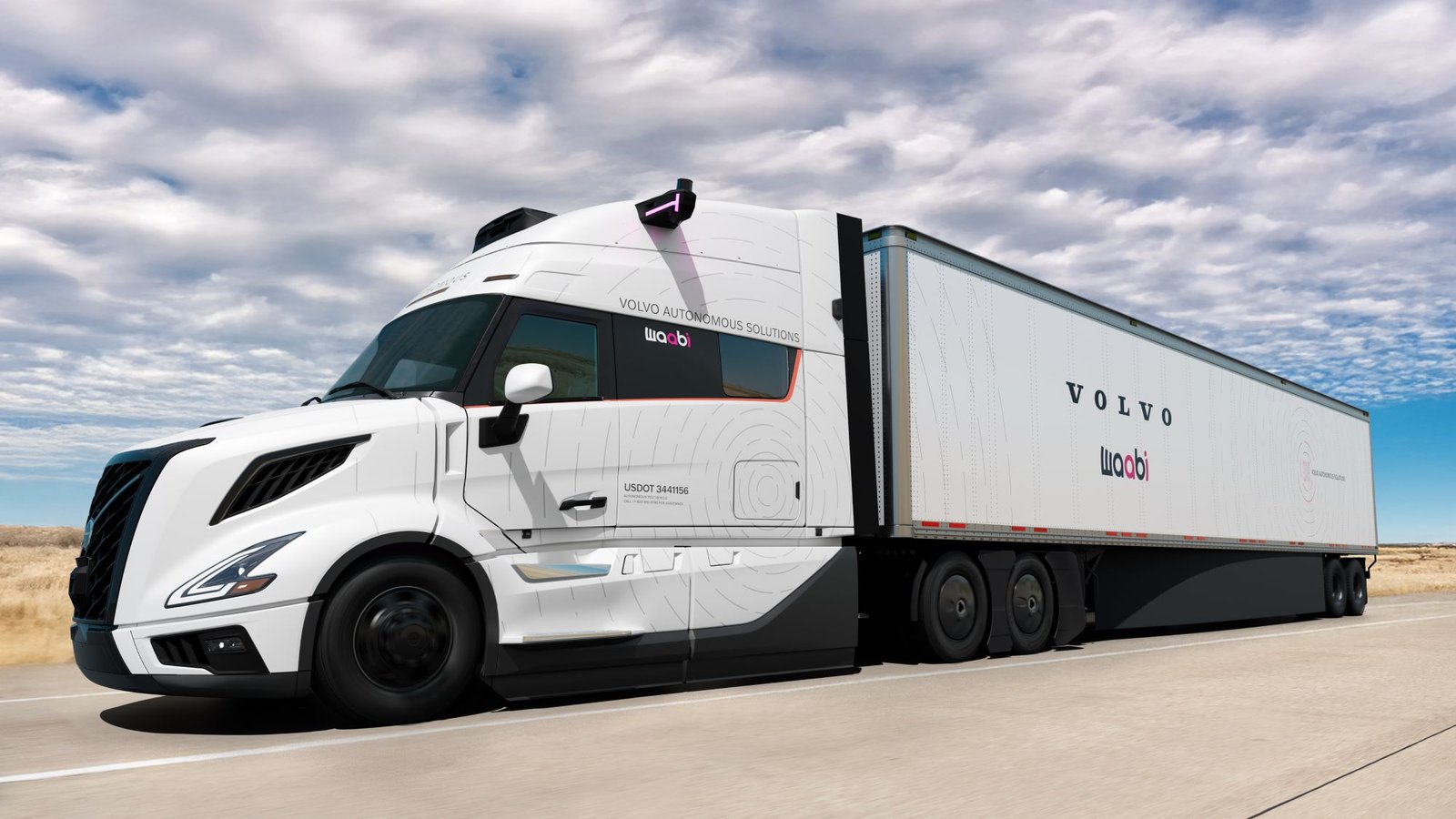
Autonomy in road freight no longer wants to be limited to the highway. A new generation of players is now pushing a “door-to-door” vision: transitioning the autonomous truck from a simple linear journey to a complete execution, from the shipping site to the final destination. Waabi, one of the most closely watched players in the industry, is precisely betting on this shift: value is not created solely on an easy stretch, but in the ability to handle more real-world scenarios.
In the reported exchanges, the message is pragmatic: the deployment will be gradual, often thru industrial partnerships where manufacturers and operators play a central role. The key issue becomes operational confidence: maintenance, availability, reliability, redundancy of critical systems (braking, steering, sensors, onboard computing). Without solid evidence in operation, the ecosystem — customers, insurers, authorities, shippers — will remain cautious.
The year 2026 is described as a period of “first steps” but also of consolidation. The sector must reduce the unknowns: geographical choices, material maturity, field validation, and standardization of practices. In clear terms: autonomy is advancing, but the battle is being fought on the ability to secure regular, repeatable execution that can be integrated into existing logistical networks.
French
English (US)
Formality