



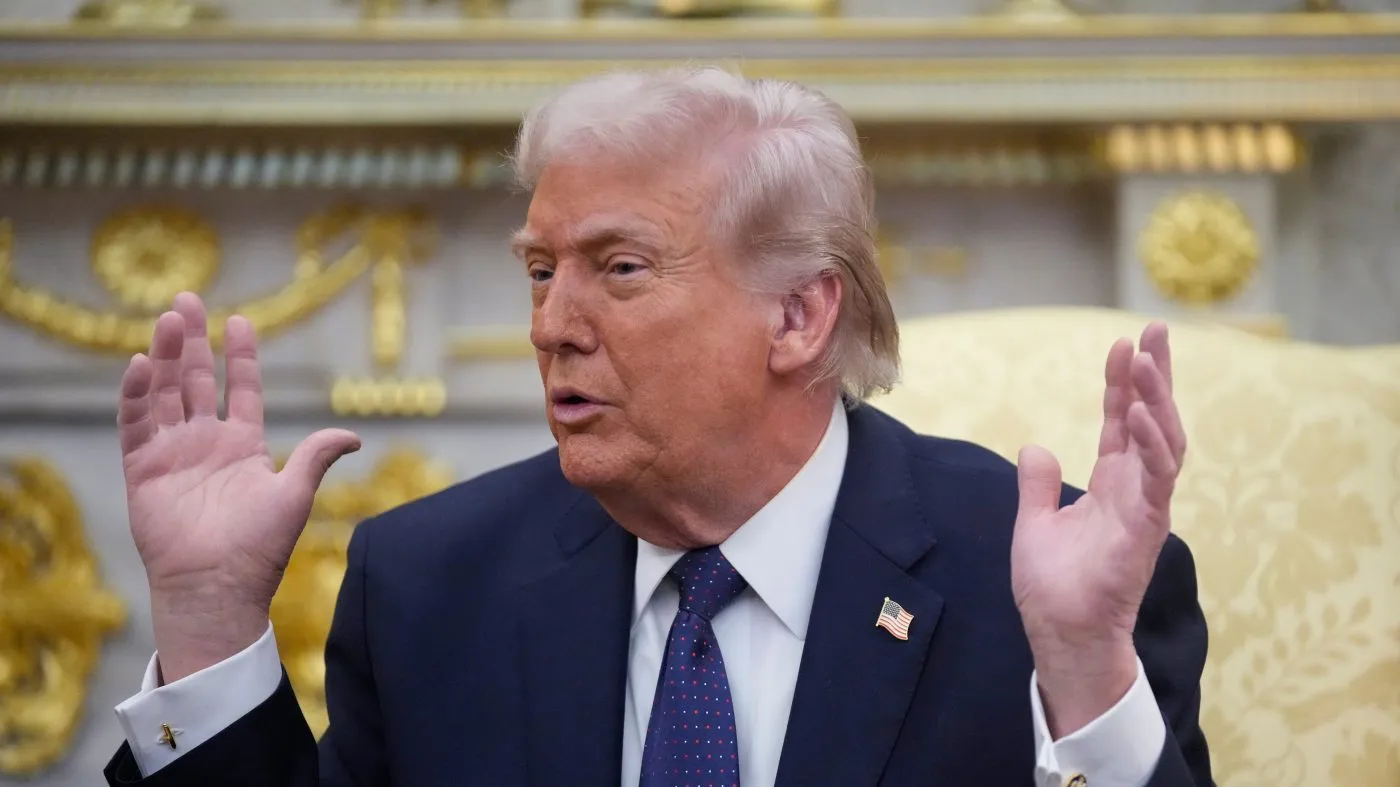
BIMCO is taking a wait-and-see stance after U.S. President Donald Trump suggested the United States would offer political risk insurance to maritime trade in the Persian Gulf, where commercial shipping has largely stalled following last weekend’s U.S.-Israel attacks against Iran.
With hostilities entering a fifth day and Iranian retaliation widening the conflict across the region, oil prices have risen amid Iran’s chokehold on the Strait of Hormuz. Trump said on Tuesday he had directed the U.S. Development Finance Corporation to provide political risk insurance and guarantees for the financial security of “all maritime trade, especially energy,” traveling through the Gulf, claiming coverage would be available at “a very reasonable price” to all shipping lines.
Jakob Larsen, BIMCO’s chief safety and security officer, said the proposal “has yet to be explained in full.” Depending on its structure, he said it could improve the risk-reward equation and encourage more shipowners to resume operations in a high-threat area.
Larsen also said Trump’s suggestion that the U.S. Navy could escort oil tankers through the Strait of Hormuz “sounds interesting,” but requires clarification. Naval escorts could reduce risks for protected ships, he noted, but escorting all tankers operating in areas threatened by Iran is unrealistic due to the scale of assets required.
While container shipping was not directly referenced, supply chains have stalled after carriers suspended services. Larsen added that if the Iranian threat is degraded over time, escorts could become more effective and potentially bring security risks below some shipowners’ acceptance thresholds, enabling a limited return to operations.
The escalation is expected to send war-risk insurance premiums sharply higher. Insurance risk adviser Marsh’s Dylan Mortimer said at the outset of the attacks that premiums were likely to surge.