Air Nov 13, 2026
Boeing’s 777F backlog falls to 36 aircraft following October deliveries
Two 777 freighters handed over in October bring Boeing’s outstanding factory-built freighter orders to 43 aircraft, including seven 767-300Fs. Meanwhile, regulatory deadlines and delays affecting the next-generation 777-8F are putting pressure on the manufacturer’s production strategy.
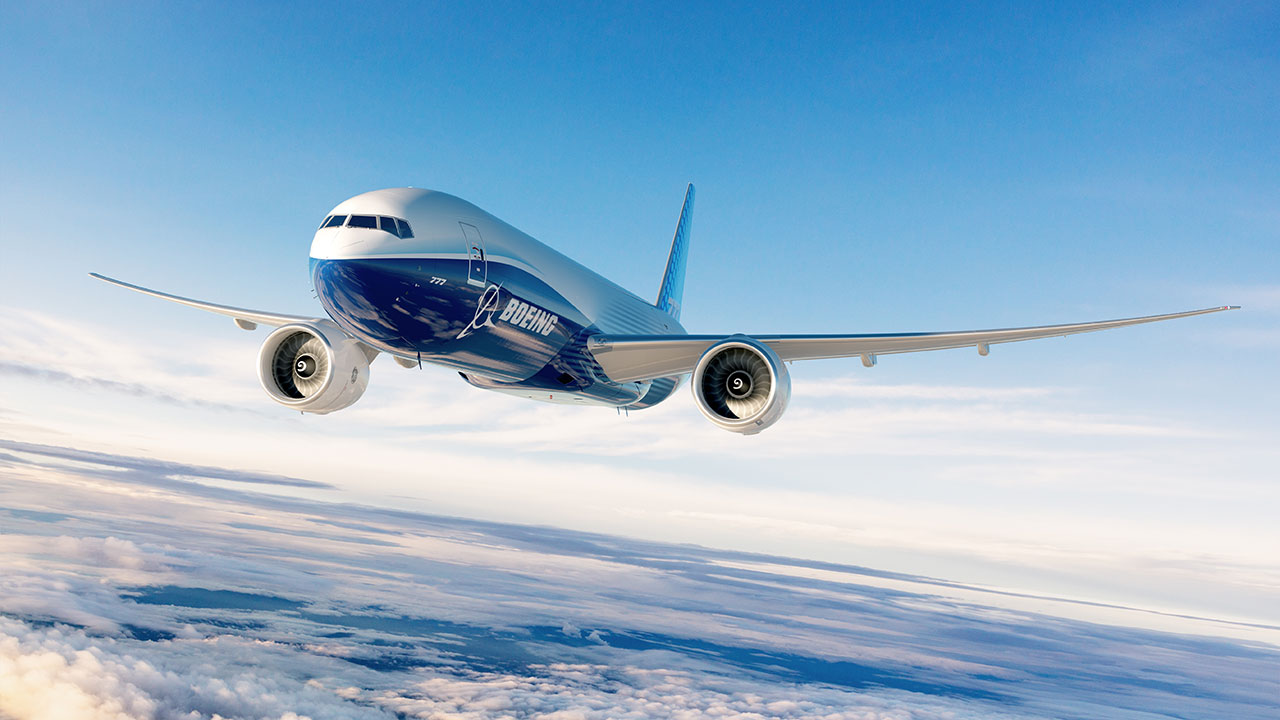
Boeing had 36 outstanding orders for its 777 Freighter (777F) as of 31 October 2026, according to the manufacturer’s official orders and deliveries figures. FedEx remains the largest identified customer in the backlog, with seven aircraft awaiting delivery. A further nine orders are attributed to unidentified customers, while six are still registered under Volga-Dnepr UK Limited, the British subsidiary of the Russian cargo airline, which is insolvent and currently in administration.
The manufacturer delivered two 777Fs during October. One was handed over to Saudia, while the second went to CES Leasing Corporation before being leased to China Cargo Airlines. Following this latest addition, the Chinese carrier now operates 21 Boeing 777 freighters and is expected to receive two further factory-built aircraft through leasing arrangements.
October also saw Boeing deliver two 767-300Fs to UPS. The parcel delivery company still has seven aircraft of this type on order. Combining these outstanding commitments with the remaining 777F orders brings Boeing’s total factory-built freighter backlog to 43 aircraft.
Since the beginning of 2026, Boeing has delivered 35 freighters, comprising 22 777Fs and 13 767-300Fs. For comparison, the manufacturer handed over 50 freighters throughout 2025, including 35 777Fs. With only two months remaining in the year, its 2026 freighter deliveries have so far reached the same number as the 777Fs delivered during the whole of 2025.
Introduced in May 2005, the 777F entered commercial service in 2009, becoming the world’s largest twin-engine freighter. Air France received the programme’s first aircraft, followed that year by deliveries to Emirates, FedEx, China Southern and several leasing companies. Boeing delivered 15 units in its first year of operations and has since completed 334 deliveries.
However, the aircraft is approaching a significant regulatory milestone. From 2028, emissions requirements under the International Civil Aviation Organization’s (ICAO) CO2 standard will prevent newly manufactured aircraft that fail to meet the prescribed limits from receiving certification. Powered by GE90 engines, the existing 777F does not comply with the new requirements.
Boeing’s planned replacement, the 777-8F, is designed to meet the updated emissions standard, but its development programme has encountered delays. Entry into service is currently scheduled for 2029, although some customers are already anticipating a possible postponement until 2030.
The wider 777X programme is also running behind its original timetable. The passenger version, the 777-9, was initially expected to enter service in early 2020. Its latest planned entry into commercial operations is now 2027.
To maintain continuity in freighter deliveries while the next-generation aircraft remains under development, Boeing sought a regulatory exemption in December 2025. The US Federal Aviation Administration (FAA) approved the request in September 2026, authorising the certification of an additional 35 777Fs through 2030.
Darren Hulst, Boeing’s vice president of Commercial Marketing, explained that the company had deliberately limited the number of additional aircraft included in its request. Speaking during a media briefing on Boeing’s 2026 World Air Cargo Forecast at The International Air Cargo Association (TIACA) Air Cargo Forum in Miami, he said: “One, we didn’t want to over ask in terms of the number of aeroplanes that we could do.”
Hulst also highlighted the operational considerations behind the decision, particularly Boeing’s ongoing transition towards its next generation of aircraft. The manufacturer is progressively shifting its production activities towards the 777X family, including the 777-9 and, ultimately, the 777-8 freighter.
According to the executive, expanding the exemption request significantly could have interfered with the transition and affected the company’s ability to manufacture its future aircraft programmes.
He explained: “We’re also in the process of cutting over our production to 777X, the 777-9 and ultimately the 777-8 freighter. So, if we did more, we would probably be disrupting our ability to actually produce the next generation aeroplanes.”
END OF REPORT