



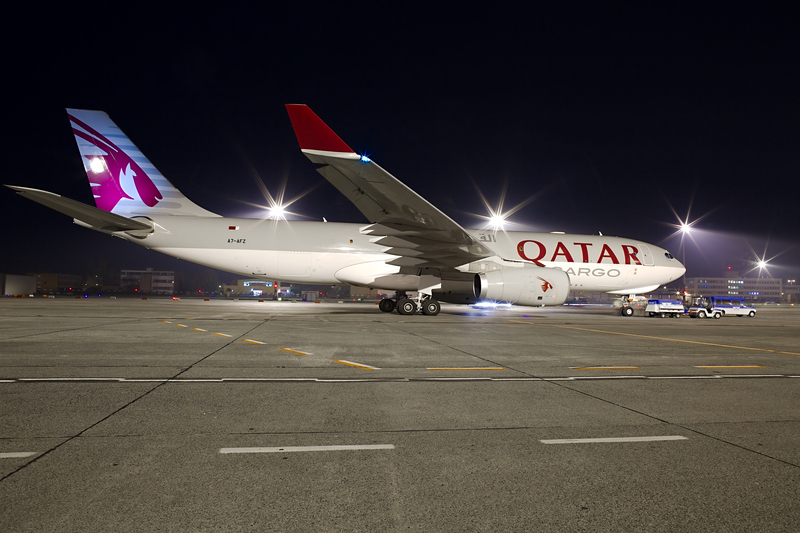
A new fault line is emerging in Brussels around the EU-Qatar air agreement. Organizations representing companies and unions are pushing for a suspension of the provisional application of the agreement, citing concerns about governance and competitive balance. Their main argument: the agreement did not sufficiently guaranty “balanced” competitive conditions in the long term.
On the other hand, European airports are stepping up. They argue that going back would weaken connectivity, reduce choices for shippers and passengers, and send a negative signal about the EU’s international credibility in terms of openness and partnerships. They also contest the idea of Qatar Airways dominating Europe, relying on comparisons of capacity to pre-crisis levels.
For cargo, the issue is highly sensitive: any limitation of traffic rights, even if it does not immediately sever connections (some also relying on historical bilateral agreements), can alter access to capacities, routing structures, and availability in certain key markets. Beyond the flights, the debate reveals a broader tension: how to reconcile commercial strategy, requirements for institutional transparency, and competition policy, while securing European air logistics chains.