



CMA CGM has completed its first-ever biomethanol bunkering operation in Shanghai, setting a new record for the largest biomethanol bunkering move at a Chinese port.
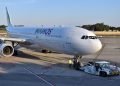
The operation took place over the weekend at Yangshan terminal, where the newly delivered 13,000-TEU CMA CGM Osmium received 3,643 tonnes of biomethanol supplied by Shanghai Electric Group.
According to CMA CGM, the bunkering marks a significant milestone in both the group’s decarbonisation strategy and the development of low-carbon fuel infrastructure in China.
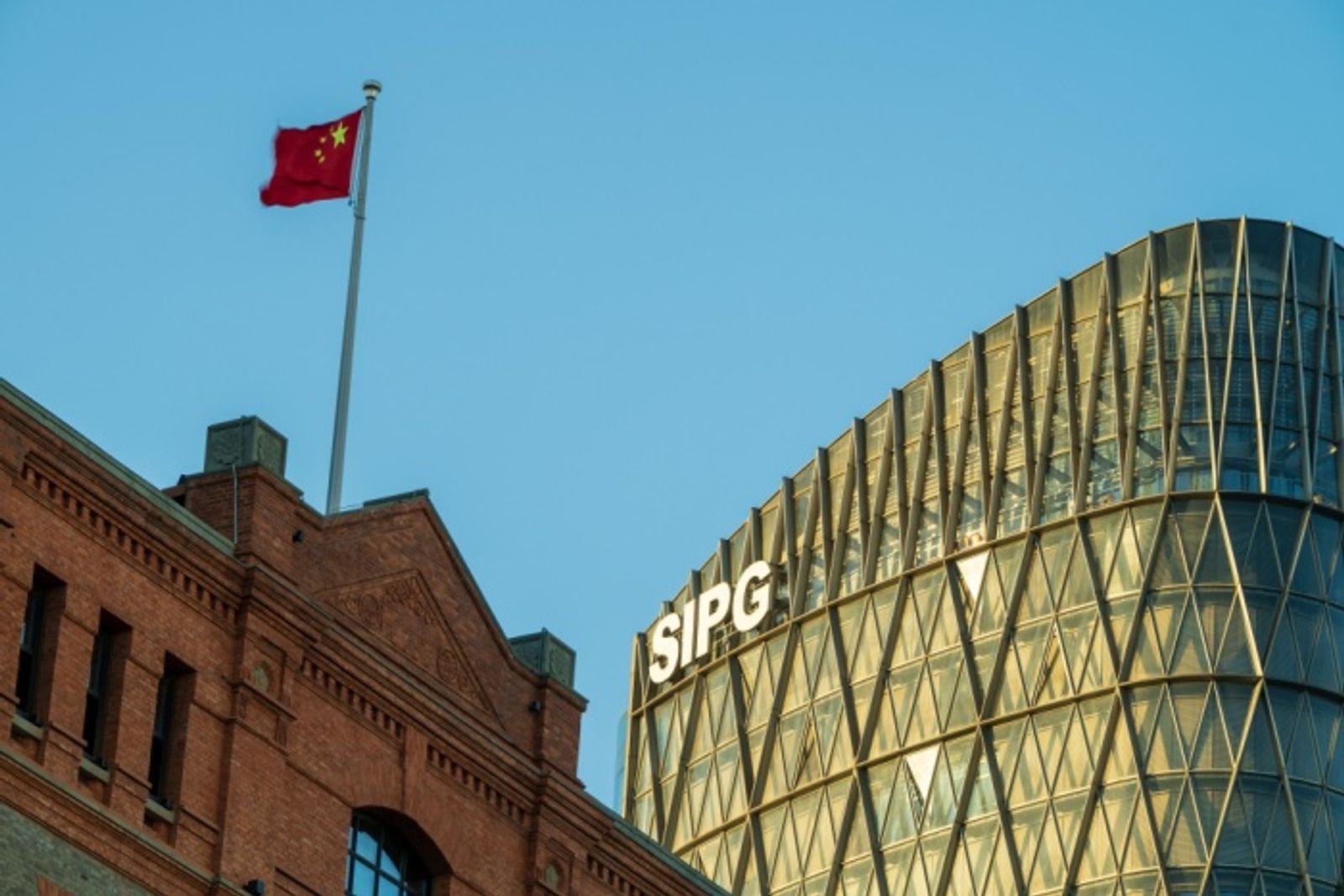
Luo Wenbin, managing director of SIPG Energy, part of the Shanghai International Port Group, said the operation represents a major leap in Shanghai Port’s biomethanol bunkering capability.
The Marseilles-based carrier is preparing to operate around 200 dual-fuel container vessels by 2031, all capable of running on low-carbon energy sources including bio- and e-LNG as well as bio- and e-methanol.
Farid Trad, vice president of group energy transition at CMA CGM, said the bunkering of CMA CGM Osmium marks a defining moment in the company’s decarbonisation journey. He said the operation shows that cleaner, low-carbon shipping is no longer an aspiration, but a reality.
Shanghai Port is positioning itself as a global hub for sustainable marine energy, and the latest achievement builds on CMA CGM’s long-standing collaboration with SIPG Energy and Shanghai Electric Group. That partnership already includes a long-term LNG bunkering arrangement with SIPG and a framework agreement covering long-term biomethanol supply.
Biomethanol is produced from renewable or waste-based biomass and can reduce lifecycle greenhouse gas emissions by more than 65% compared with conventional marine fuels.
Despite uncertainty created by the International Maritime Organization’s decision last October to delay adoption of its net-zero framework by a year, the container shipping industry continues to invest heavily in dual-fuel vessels and supporting bunkering infrastructure.
Data from Sea-web, part of S&P Global, shows that 6.44 million TEUs of LNG dual-fuel capacity are currently on order, compared with 1.6 million TEUs of methanol-capable vessels.
Industry coalition SEA-LNG has estimated that investment in LNG dual-fuel ships and associated fuel supply chains over the past decade has exceeded $150 billion, with a large share directed toward fuel availability and infrastructure at scale.