Maritime Nov 4, 2026
CSA Calls for Overhaul of US Coast Guard Vessel Inspection Framework
Shipping association warns that divided oversight responsibilities and inconsistent inspection practices could undermine the revised programme, increase compliance costs and delay vessel operations.
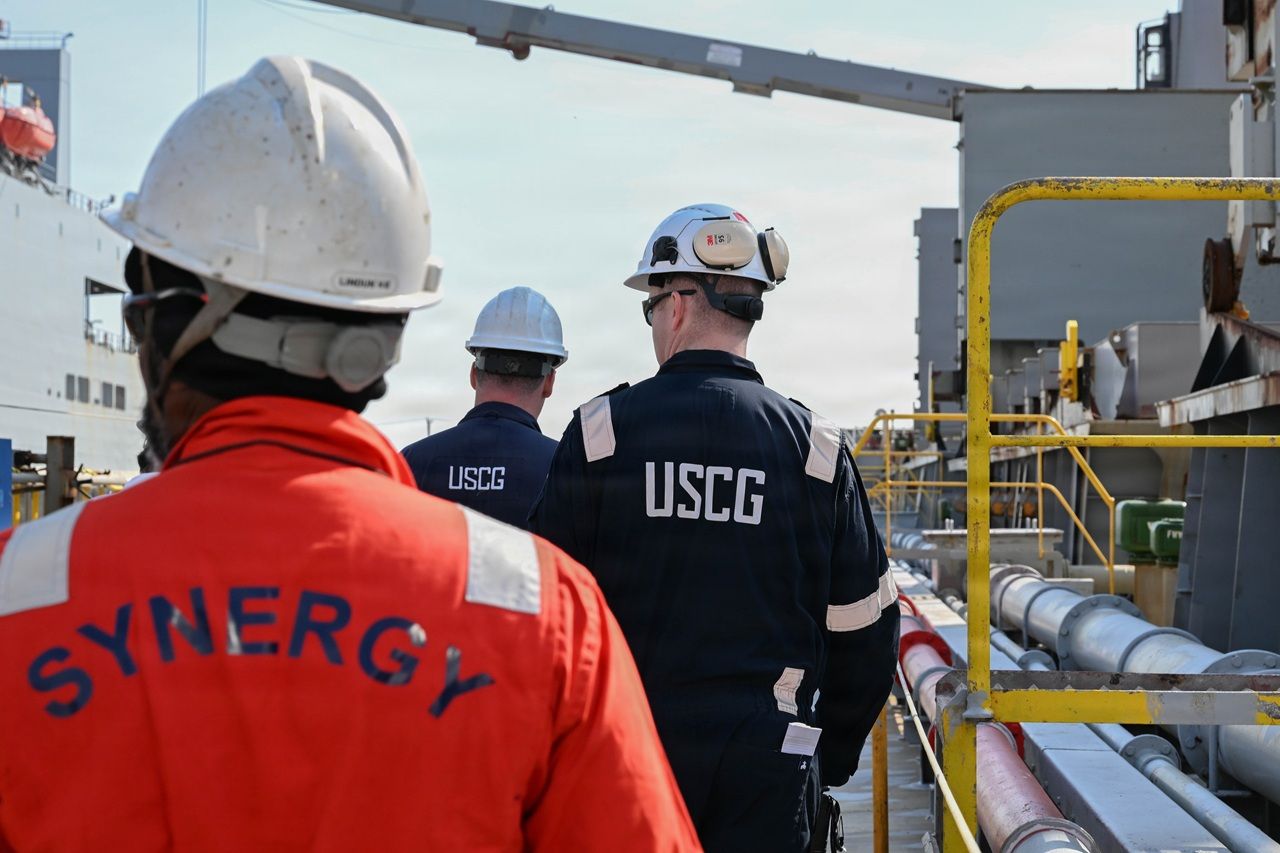
The Chamber of Shipping of America (CSA) is calling on the US Coast Guard (USCG) to address structural weaknesses in its revised Streamlined Inspection Program (SIP), warning that unclear regulatory responsibilities could discourage vessel operators from participating in the voluntary initiative.
While welcoming the proposed changes as a step towards more efficient vessel inspections, the association argues that certain provisions in the updated guidelines risk creating administrative complications, inconsistent enforcement and additional compliance costs for shipping companies.
In comments submitted to the regulator on 28 October, CSA Director of Maritime Affairs Matt Edwards acknowledged the programme's potential to improve operational preparedness and make better use of the Coast Guard's inspection resources.
“When implemented consistently, SIP will enable vessel operators to maintain a constant state of readiness while allowing the Coast Guard to allocate limited inspection resources more effectively,” Edwards wrote.
However, he cautioned that inconsistent implementation across different Officer in Charge, Marine Inspection (OCMI) zones, alongside the possibility of duplicate inspections, could undermine these benefits.
According to CSA, such discrepancies create uncertainty for operators, increase regulatory expenses and potentially lead to operational delays. These consequences could ultimately weaken the competitiveness of US-flagged vessels in both domestic and international markets.
A programme designed to modernise vessel inspections
Established in 1999, the Streamlined Inspection Program provides an alternative to the traditional inspection model centred on direct USCG oversight. Under SIP, shipping companies manage their own compliance processes to ensure that vessels meet applicable inspection regulations.
Earlier this year, the Coast Guard invited industry stakeholders to comment on updated draft guidance intended to bring the programme into line with developments across the maritime sector.
The proposed framework introduces several changes aimed at reducing unnecessary administrative and inspection burdens.
According to the USCG, the revised guidance will establish a risk-based verification model designed to limit repetitive physical inspections of operators with strong compliance records. It will also recognise additional digital recordkeeping formats as alternatives to traditional paper documentation.
Furthermore, the draft introduces updated procedures for managing deficiencies and handling temporary hull repairs.
Concern with divided authority is regulatory consistency
One of the major objections of CSA is the distribution of administrative responsibilities between two types of inspection offices.
The company’s designated Homeport OCMI in the draft is based on the location of the company’s headquarters, while local cognisant OCMIs are those that oversee the areas in which the company’s vessels operate.
This creates the risk of overlapping authority for the CSA, without clarifying which office has the ultimate responsibility for decisions.
The association is the trade association of US-based carriers and affiliated companies which own, operate or charter US-flagged and foreign-flagged vessels used in domestic and international trade.
In its submission, CSA argued that the lack of a clearly defined hierarchy could result in multiple cognisant OCMIs approving or rejecting overlapping sections of a Company Action Plan or Vessel Action Plan (CAP/VAP).
This can lead to different compliance requirements in different inspection zones, despite SIP being intended to provide a consistent approach across the whole fleet of an operator.
To address the problem, CSA recommends consolidating administrative oversight under one SIP OCMI. That office would be the main agency responsible for regulating and supervising a company's participation in the programme.
The association believes that concentrating responsibility in a single office would reduce contradictory decisions and give operators more regulatory certainty.
Minor technicalities may be penalised by reporting requirements
CSA has also expressed concern about the proposed reporting requirements for essential vessel systems, with some of the triggers being too restrictive.
A system may be needed for safe operation of a vessel, but not necessarily critical to safe navigation, the association said. Not distinguishing these two roles may confuse the crew members in determining how an issue should be classified and reported.
This is especially true for broad system categories, such as fuel oil installations.
The proposed approach would mean operators might have to report relatively minor technical problems within 48 hours and could be hit with penalties even if the problem has limited operational significance.
"If a tank sounding tube cap is missing, CSA gave an example of how something that seems like a minor deficiency can result in a formal reporting requirement.
Such requirements risk placing disproportionate administrative burdens on vessel operators for the association, without necessarily enhancing safety or the effectiveness of inspections.
But the consistent implementation is still a must
CSA has criticised a number of provisions, but says the Streamlined Inspection Programme has a lot of potential to improve the relationship between vessel operators and the Coast Guard.
A risk-based and consistent approach could help keep companies in continuous compliance while allowing USCG inspectors to use their finite resources on areas that need more attention.
But the association says achieving these goals will depend on resolving the administrative uncertainties in the proposed framework, eliminating overlapping inspection responsibilities and ensuring reporting requirements are proportionate to the gravity of the identified deficiencies.
Edwards stressed that the programme’s success depends on consistent implementation throughout all inspection zones, ensuring operators are always prepared and enabling the Coast Guard to utilise its inspection resources more efficiently.
END OF REPORT