Air Nov 17, 2026
FedEx Boosts Air Cargo Capacity in South China With New Guangzhou Terminal
The expanded facility at Guangzhou Baiyun Airport triples the company's previous processing capacity, strengthening connections between the Greater Bay Area's manufacturing base and international markets.
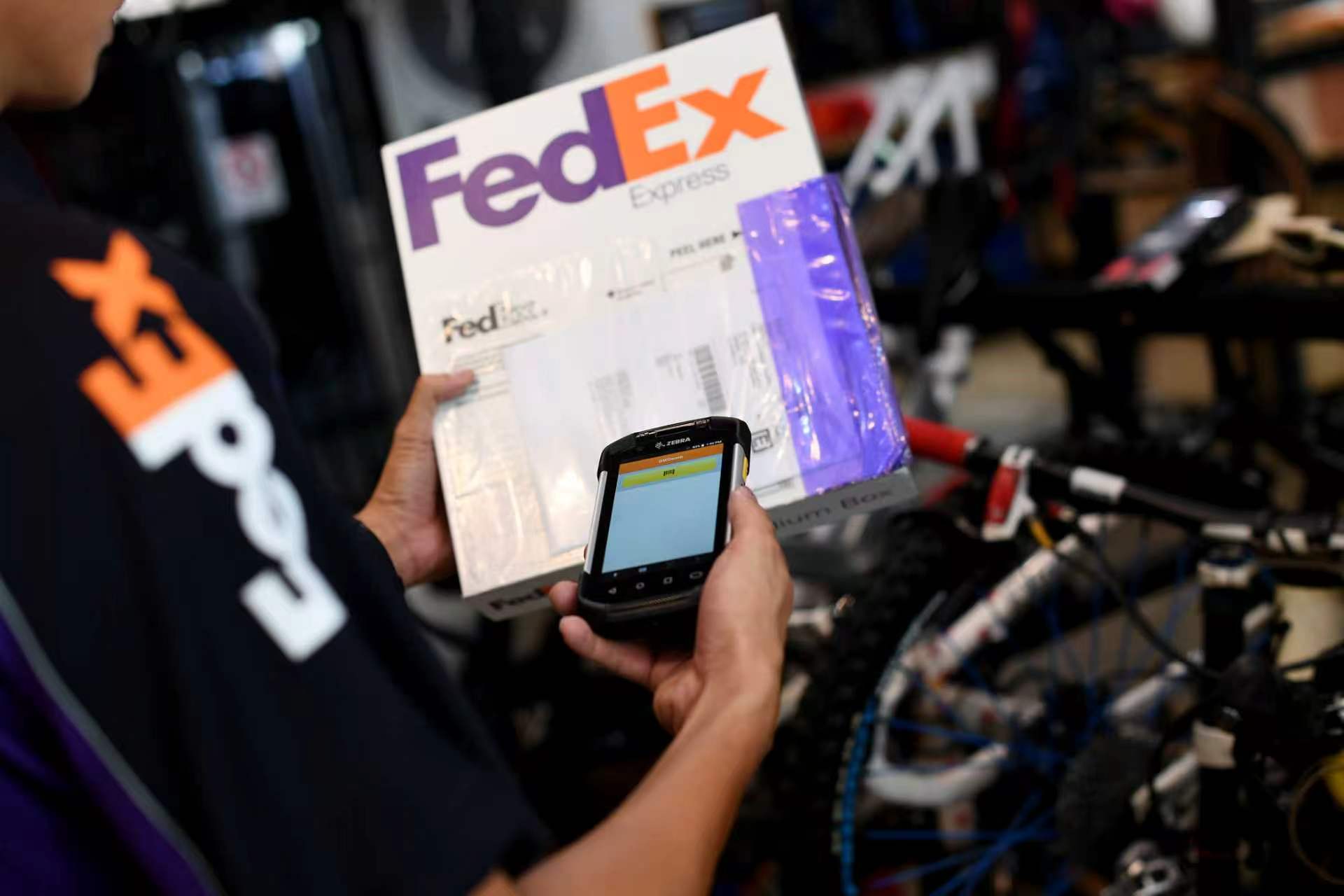
FedEx is bolstering its air cargo operations in southern China with the launch of a new logistics terminal at Guangzhou Baiyun International Airport. The investment will help meet the growing freight volumes from the Greater Bay Area and improve access to international markets for businesses in one of the world’s largest manufacturing and export regions.
The company (NYSE: FDX) said Monday it was expanding due to rising demand for air-cargo services from shippers in the Greater Bay Area. The economic zone includes Macau, Hong Kong and nine cities in Guangdong province, making it a major center for global manufacturing and international trade.
Its latest trade figures show the extent of its commercial activity. The nine mainland cities in the region had combined imports and exports of $1.26 trillion in the first three quarters of 2026, accounting for 21% of China's total trade, China Customs said.
The new terminal adds to FedEx’s existing Asia-Pacific hub at Guangzhou Baiyun Airport, which has been in operation since 2009. The company’s objective is to assist regional businesses to more effectively connect with overseas customers and suppliers by incorporating the additional infrastructure into its international air and ground network.
Sorting technology upgrade triples the processing power
Developed in partnership with the Guangdong Airport Authority, the new facility has about 484,000 square feet of space and can handle up to 28,000 express parcels and freight shipments an hour.
The intelligent sorting systems of its predecessor have three times the processing capacity of the installation. The terminal has a cargo handling capacity of more than 110,000 U.S. tons per year.
Along with the added physical capacity, the facility has a number of technological features to speed cargo operations and improve shipment visibility. This is comprised of automated handling systems, radio frequency identification (RFID) tracking and a warehouse under customs supervision.
The terminal’s infrastructure also includes digital documentation, pre-declarations and automated alert systems. All this is to facilitate customs procedures and reduce time of clearance for customers.
South China Morning Post reported that FedEx CEO Raj Subramaniam was at the inauguration ceremony.
Salil Chari, FedEx president for Asia Pacific, said of the investment: “Reliable international connections and resilient supply chains are critical to enabling global trade.
“Reliable connectivity, resilient supply chains and access to global markets are the foundation for the future of trade,” Chari said in a company news release.
“The Greater Bay Area is one of the most vibrant economic regions in the world,” he said, adding the new investment highlights FedEx’s commitment to supporting the international growth of businesses in China and the Asia-Pacific region.
“The terminal will be an addition to the company’s global network that will enable customers to move goods more efficiently, access new markets and capitalize on emerging international trade opportunities,” Chari said.
FedEx keeps airport investments despite spending changes
The project in Guangzhou is one of several airport infrastructure investments FedEx has made in the last 18 months. The moves come as the company cuts back its overall capital spending as part of a broader strategy to eliminate excess network capacity and improve profitability.
This month, FedEx completed an upgrade of its air cargo facility in Madrid, Spain, enhancing its air and road networks in Europe.
In February, the company said it plans to develop a new air logistics hub in Mumbai, India. The project is a $250 million investment in a dedicated parcel facility at the city’s new airport.
FedEx also moved its operations to a bigger terminal at Istanbul Airport in Turkey in September 2025. The company also said it plans to invest in a new air cargo hub in Saudi Arabia, part of its efforts to grow in markets benefiting from rising flows of international trade.
UPS also beefs up Asian air cargo network
FedEx isn’t the only company ramping up its infrastructure capacity throughout Asia. Rival logistics operator UPS is following a similar strategy to bolster its regional air freight capacity.
The company has recently finished construction of a new air hub in the Philippines and continues to work on a major expansion of its existing air hub in Hong Kong.
The concurrent investment from both logistics giants underlines the strategic importance of Asian aviation infrastructure as manufacturers, exporters and international supply chains still require faster and more efficient air cargo connections.
END OF REPORT