Logistic Nov 12, 2026
FedEx strengthens its European road and air freight infrastructure
New German road hub and upgraded Madrid airport facility expand freight handling capacity, improve customs processes and support the group's wider European restructuring strategy.
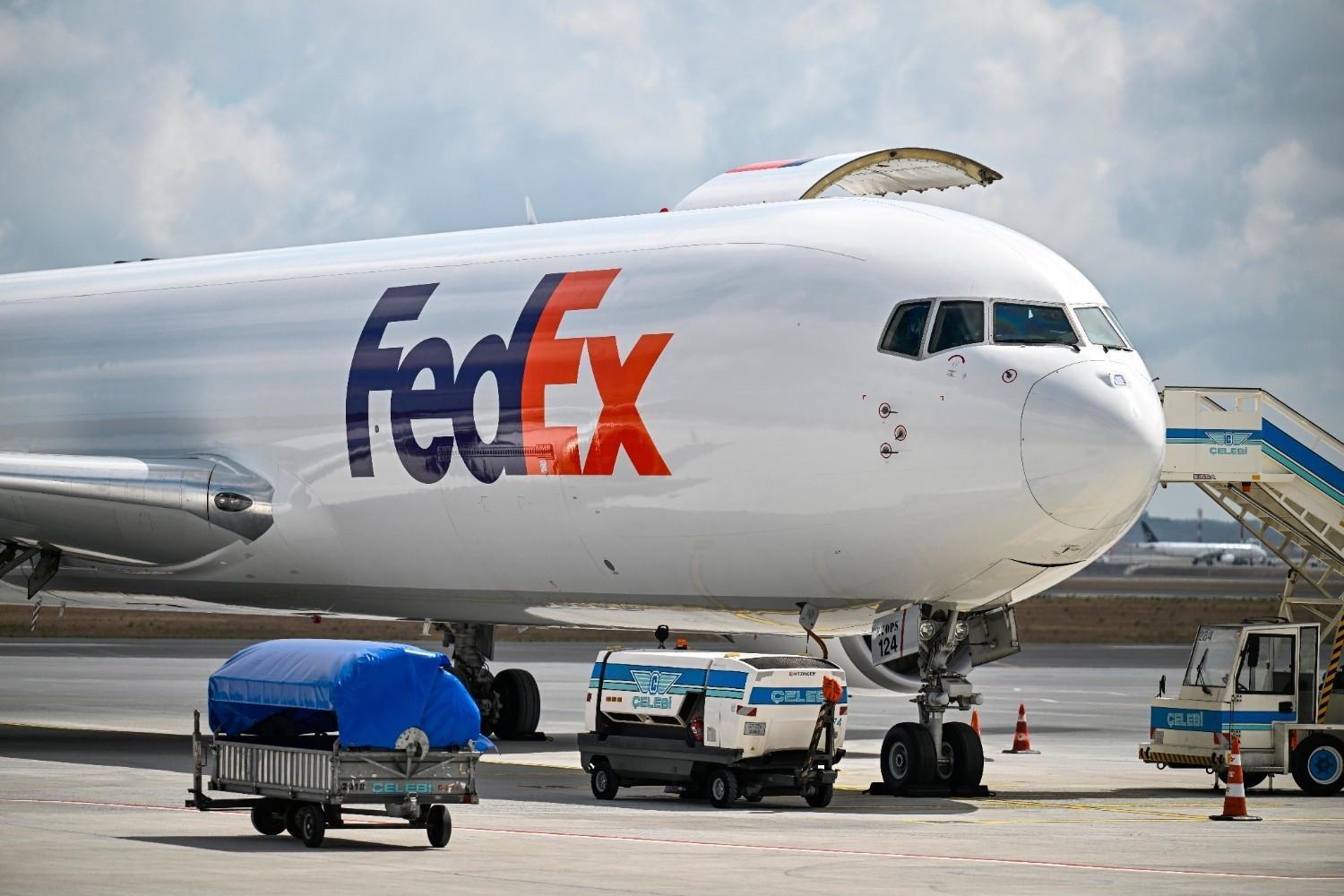
FedEx is increasing its investment in its European transport infrastructure with new developments across its road and air networks designed to improve the flow of freight, operational efficiency and service reliability. Recent initiatives include the opening of a new road hub in Germany and the upgrade of an air cargo facility at Madrid-Barajas International Airport in Spain.
These projects form part of the group’s wider strategy to simplify its European operations, enhance cross-border connectivity and increase the profitability of its regional business.
New road hub strengthens FedEx network in Germany
FedEx Corp. has officially opened a new road hub in the German town of Alzenau to help move freight and bulk shipments within Germany and across Europe. The facility comes online before the peak shipping season when transport networks are under pressure from demand.
The 166,840-square-foot terminal includes 32 loading bays and 50 trailer parking spaces in an existing building. The project’s opening is expected to create some 85 jobs as well.
The site utilizes advanced sorting and freight-handling technologies to manage conventional shipments, oversized packages and parcels via a conveyor-based system.
“The investment will improve connectivity, flexibility and reliability across the company’s road network and help customers reach new markets and grow their businesses,” said Boris Stoffer, Managing Director, Network Operations Germany at FedEx.
The geographical location of Alzenau is very advantageous for logistics companies. Located in the Rhine-Main area, east of Frankfurt am Main Airport, the facility has direct access to the A3 and A45 expressway. Additionally, its proximity to existing FedEx infrastructure further enhances its role as a strategic node for domestic and international freight movements.
The new addition takes the number of FedEx road hubs in Germany to four, including facilities in Hanover, Nuremberg and Wiesbaden. Its road network links 700 locations and gateways in 45 countries across Europe.
This development comes after another infrastructure investment was finalized in June, when FedEx expanded a major trucking terminal in the Netherlands to improve freight flows and support its evolving air cargo strategy.
More cargo capacity for Madrid airport facility
FedEx has also completed the modernization of its second airside facility at Madrid-Barajas International Airport, in addition to its investment in Germany.
The upgraded installation is to provide shippers with more handling capacity, faster cargo processing and simpler customs clearance procedures.
Together with the company’s current airport facility, the renovated site expands FedEx’s operational footprint at Madrid Airport to over 48,400 square feet. The expanded infrastructure is expected to increase the company’s ability to handle seasonal demand spikes and to ensure consistent, fast delivery.
The modernization added 16,680 square feet of warehouse space and four dedicated trailer dock. The facility also has a castor deck roller platform to handle and maneuver up to 14 unit load devices (ULDs) and a high density storage area with secure capacity for 5,700 pieces.
Technology upgrades include automated sortation systems, shipment dimensioning and weighing devices, and X-ray screening systems for cargo examination.
Another important feature is the establishment of a temporary bonded warehouse. This is a designated customs area for the safe holding and handling of international goods awaiting the finalization of the relevant customs clearance.
The redesigned terminal will consolidate express and economy flows of shipments to and from the Canary Islands, FedEx said, adding that it will streamline customs formalities and reduce transit times.
The additional infrastructure will also boost consolidation capacity for economy shipments originating in the European Union and destined for major markets in Latin America and the United States.
The facility also aims to improve the handling of international priority shipments and heavyweight freight, in line with FedEx's strategic objective of capturing a larger share of high-value cargo beyond traditional parcel deliveries.
broader reconfiguration of European operations
The latest infrastructure projects are part of a wider transformation of FedEx’s European operation.
Company executives, discussing third-quarter results on Oct. 28, said they were trying to combine fragmented national operations and build a more integrated cross-border network. The aim is to simplify the handling of shipments for customers and to boost the efficiency of the group's European operations.
FedEx has already closed 17 stations in France and modernized two hubs and 16 stations with state-of-the-art automated sorting systems. The company has also installed new tracking and monitoring technology at 32 stations.
Italy is in the midst of a similar operational overhaul, as FedEx is focusing more on higher-value international business-to-business (B2B) shipments and export services.
The company is moving from an eight-hub network to a more streamlined structure of three hubs, as it cuts the number of stations as part of this process.
In June, a major milestone was achieved when FedEx combined two stations in the Milan metropolitan area into a new upgraded facility. The move is aimed at improving pick-up and delivery efficiency in one of Italy’s most densely populated areas.
Strategic shift comes with capacity reductions
FedEx intends to make big changes to its domestic transport capacity in a number of European markets.
The company plans to cut domestic capacity by 20% in Italy, 30% in the United Kingdom and 40% in France.
FedEx is urging its sales teams to prioritize intercontinental and intra-European shipment volumes and to reduce exposure to lower-margin domestic business, Chief Executive Officer Raj Subramaniam said.
The repositioning is consistent with the group's aim to focus on international services and higher-yielding freight activities across its European network.
FedEx is committed to achieving its financial objectives in the region, notwithstanding the scale of the restructuring. Subramaniam said the company is on track to achieve its goal of $650 million in adjusted operating income in Europe by the end of 2029.
The investments in Germany and Spain, along with network consolidation and capacity adjustments in France, Italy and the United Kingdom, demonstrate how FedEx is evolving its European logistics footprint around operational efficiency, international connectivity and higher-value freight services.
END OF REPORT