




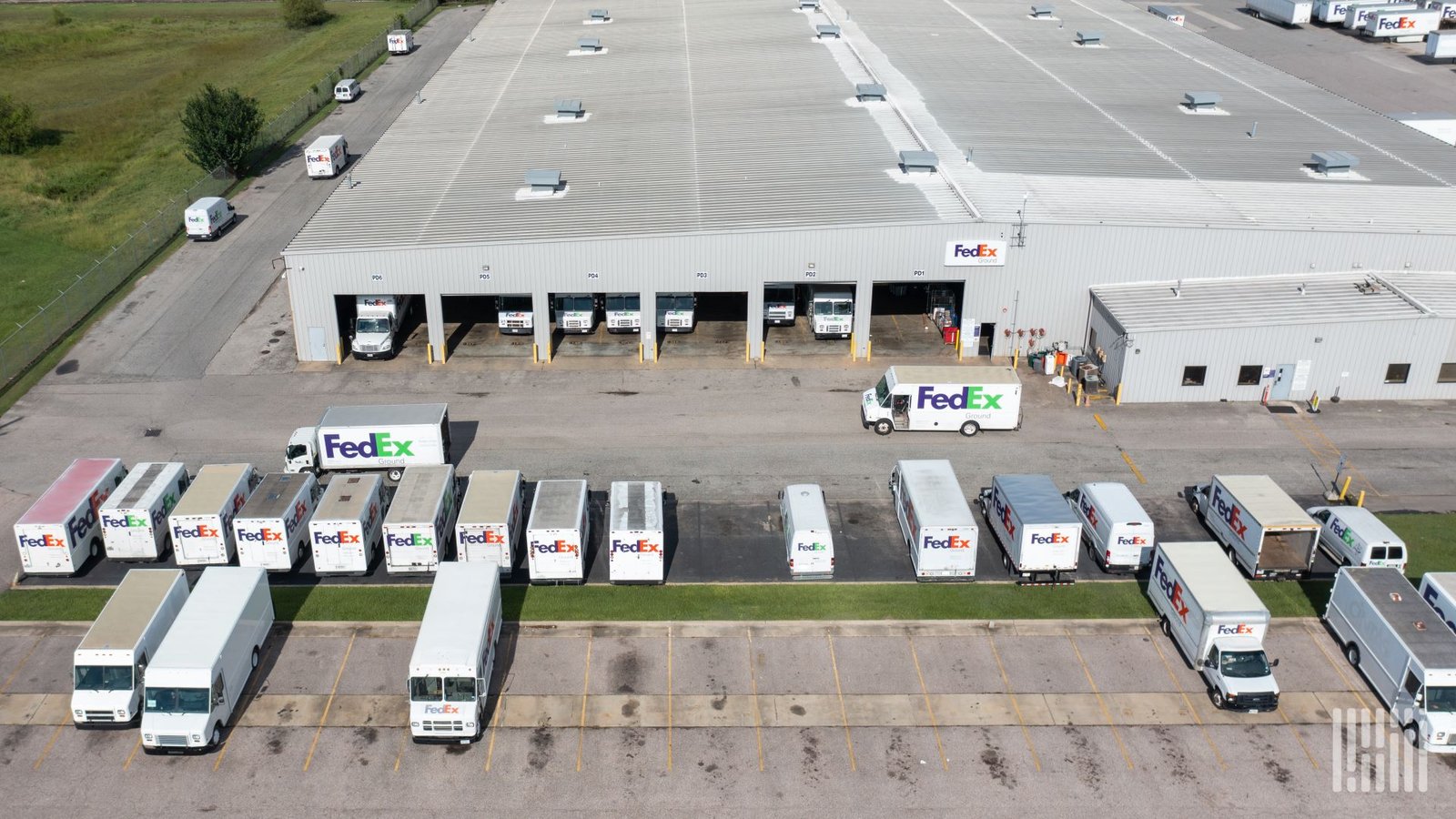
FedEx Corp. is preparing to shut down nine parcel facilities in New York and one in Pennsylvania as part of its multi-year network restructuring program.
The move represents the latest phase of the company’s Network 2.0 strategy, an initiative launched to integrate FedEx’s legacy Express and Ground delivery networks into a single unified surface transportation system.
The program is designed to reduce excess capacity, improve delivery efficiency and simplify operations by ensuring that most neighborhoods are served by a single delivery vehicle per day.
FedEx completed the first phase of the initiative in Canada in April 2025 and has since accelerated consolidation across the United States.
So far, more than 360 shipping stations have been optimized to handle both express and ground volumes, while over 200 facilities have already been closed.
By 2027, the company expects to optimize more than 900 facilities and close over 475 locations, reducing its overall facility footprint by roughly 30%.
The newly announced closures affect nine locations in New York — including Binghamton, Syracuse, Buffalo and Utica — with operations scheduled to end in June.
An additional facility in Pittston, Pennsylvania, will close on May 2, resulting in 63 layoffs, although some employees may be offered alternative positions within the company.
Delivery operations from the Pittston center will be transferred to the nearby Wilkes-Barre facility.
FedEx says the restructuring is already improving operational efficiency. During a recent investor event, Scott Ray, Chief Operating Officer for U.S. and Canada surface operations, said the network overhaul has led to a 10% reduction in pickup and delivery costs, improved route density and fewer duplicate delivery routes.
The company is targeting $2 billion in structural savings by 2027, including $1 billion in cost reductions this year alone.
Network 2.0 was first conceived in late 2022, as e-commerce volumes normalized following the pandemic surge and FedEx began losing parcel market share to Amazon and emerging independent delivery providers.
The company has also deliberately reduced its exposure to lower-margin residential deliveries, focusing instead on higher-value segments such as international shipments, heavyweight freight and long-distance packages.