




Germany’s shipping industry is calling for a strategic shift in national workforce policy, as geopolitical tensions increasingly disrupt global supply chains.
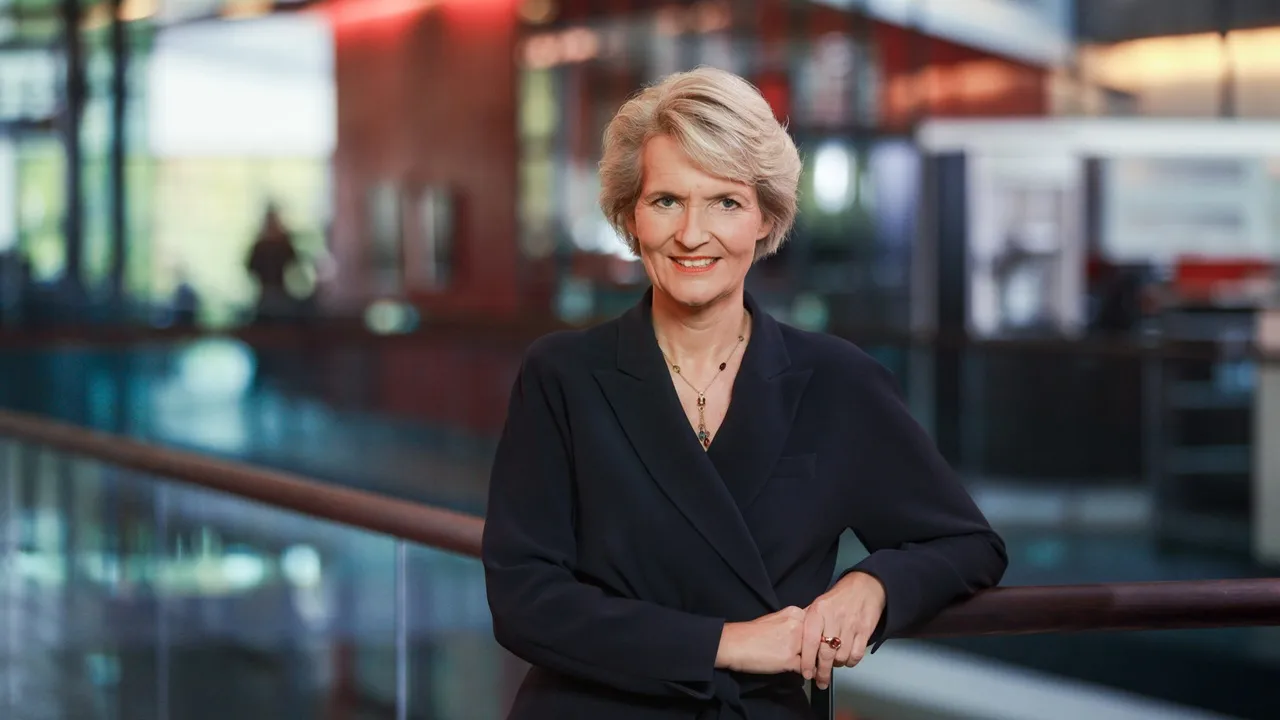
Gaby Bornheim, President of the German Shipowners’ Association (VDR), has highlighted the critical role of seafarers, proposing the integration of maritime service into the country’s broader national service framework.
The call comes amid escalating tensions in key maritime regions, particularly the Gulf, where approximately 2,000 ships and at least 20,000 seafarers are currently stranded.
German shipowners alone have at least 50 vessels immobilised in the region, with around 1,000 crew members on board. Reports suggest that essential supplies — including fresh water, food and fuel — are becoming increasingly scarce, although some details remain unconfirmed.
The situation has been further aggravated by attacks on commercial vessels, with at least 20 ships reportedly targeted, resulting in casualties among seafarers.
“The current crisis clearly demonstrates how deeply geopolitical conflicts and global supply chains are interconnected,” Bornheim stated. “For an export-driven economy like Germany, maritime security is a strategic priority.”
Germany’s fleet ranks as the seventh largest globally and has recently overtaken China to become the second-largest in container shipping capacity, with 30.4 million gross tons.
The VDR’s proposal aims to create a civilian maritime reserve force capable of supporting supply chain continuity during crises. Under this model, individuals could contribute to maritime operations after completing their service, strengthening national resilience.
Should compulsory military service be reinstated, maritime service could also be offered as a civilian alternative.
“In the long term, we need a larger and better-prepared workforce,” said VDR Executive Director Martin Kröger. “A resilient nation requires not only soldiers, but also seafarers.”