




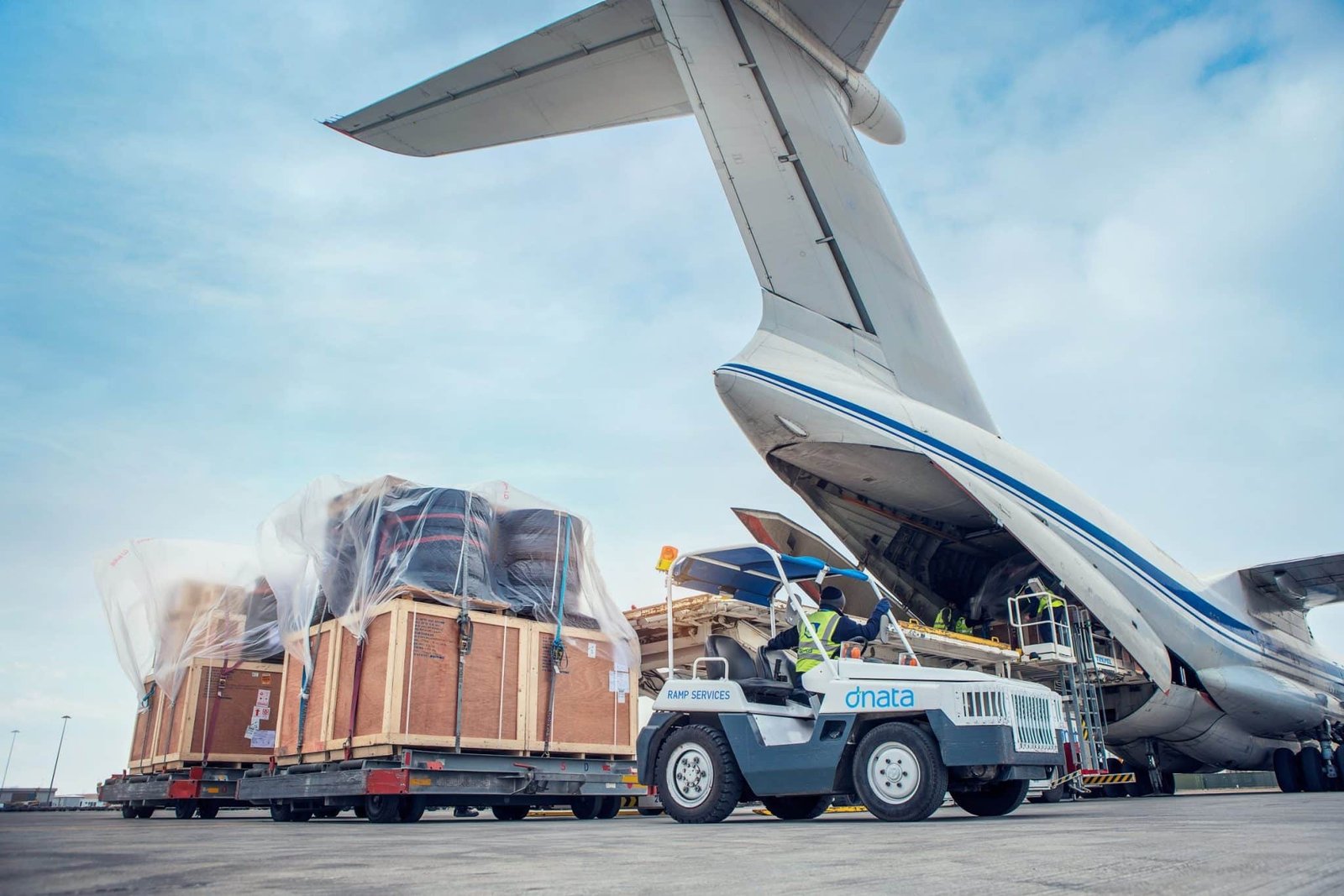
The latest figures from the International Air Transport Association (IATA) show strong momentum for air freight as the new year approaches. In November 2025, demand for air cargo transport increased by 5.5% year-on-year, expressed in freight tonne-kilometers, highlighting a robust end to the year for the sector.
The increase in available capacity followed this trend, with a rise of 4.7%, indicating that carriers continued to deploy resources to meet persistent demand despite an uncertain economic context.
Behind these figures, interesting regional disparities are emerging. Asia-Pacific dominated volume growth, driven by sustained exports and active intra-regional trade, while the Middle East and Europe also showed positive performances. On the other hand, some areas like North America and Latin America experienced a slight decline in demand, reflecting divergent economic realities.
This widespread increase in air trade, driven by key corridors such as Europe-Asia and Middle East-Asia, illustrates the remarkable resilience of air freight in an environment marked by tariff pressures, fuel price fluctuations, and regulatory adjustments.
For the players in the logistics chain, these data confirm that air transport remains a strategic pillar for time-sensitive goods, particularly technological and pharmaceutical products, as well as high-value goods. For the actors in the logistics chain, this data confirms that air transport remains a strategic pillar for time-sensitive goods, particularly technological products, pharmaceuticals, and high-value goods.