Maritime Nov 25, 2026
Great Lakes Shipping Industry Challenges MARAD’s Proposed 25-Year Vessel Age Limit
Industry representatives warn that the proposed restriction could prevent operators from modernising older freshwater vessels, increase investment costs and undermine the economic benefits of the Capital Construction Fund.
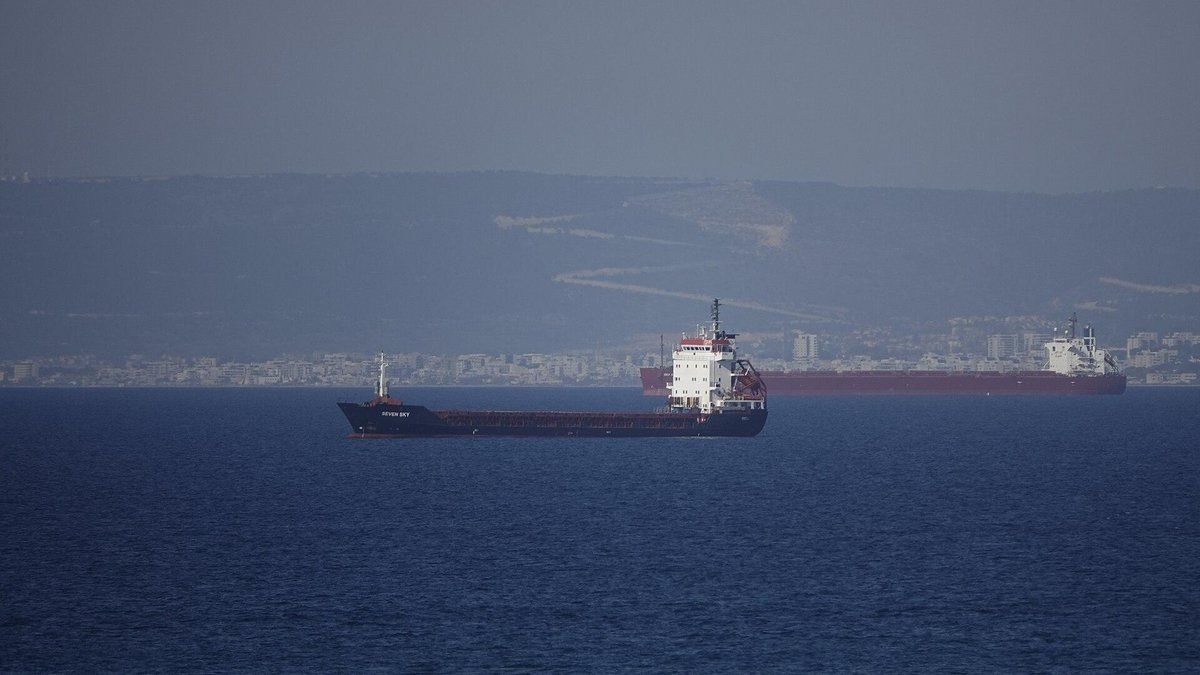
US Great Lakes shipping organisations are challenging a proposed restriction by the Maritime Administration (MARAD) that would limit participation in the Capital Construction Fund (CCF) programme to vessels less than 25 years old. Industry representatives argue that the measure fails to account for the significantly longer operational lifespan of ships operating in freshwater environments and could impose unnecessary financial pressure on domestic operators.
In September, MARAD introduced a Notice of Proposed Rulemaking aimed at updating the administration of approximately $2.56 billion in federal funds allocated to vessel construction. The proposed reform is intended to give shipowners greater flexibility in using accumulated reserves to finance newbuilds, purchase secondhand vessels or modernise existing ships through retrofitting, while avoiding substantial tax penalties.
However, the proposed changes also introduce additional eligibility and compliance conditions, including a 36-month construction period and a maximum vessel age of 25 years. MARAD maintains that these provisions would not generate additional costs or compliance obligations for industry participants.
Great Lakes operators strongly disagree, particularly with the proposed age restriction. In their submissions to the agency, the Lake Carriers’ Association (LCA) and the American Maritime Congress (AMC) warned that the measure overlooks the specific operating conditions of the Great Lakes fleet and contradicts the broader objective of reducing regulatory constraints.
James Weakley, president of the LCA, which represents 13 member companies operating 43 US-flagged Great Lakes vessels, believes the restriction could force companies to retire perfectly serviceable ships prematurely.
According to Weakley, excluding vessels older than 25 years from CCF eligibility would undermine the value of existing assets and place operators under considerable financial pressure by making the construction of entirely new vessels necessary, even when rebuilding or upgrading existing ships would remain a viable alternative. He also stressed that the resulting financial burden would extend beyond shipowners to the customers relying on their transportation services.
The AMC has raised similar concerns, highlighting the differences in vessel longevity between freshwater and saltwater operations. Caitlyn Tierney, the organisation’s government affairs manager, explained that ships operating on freshwater generally experience considerably less corrosion, allowing them to remain in service for much longer.
She noted that the average Great Lakes freighter is approximately 50 years old, compared with an average age of 27 years for the US domestic fleet. Under MARAD’s proposed framework, almost none of the existing Great Lakes vessels would qualify for CCF funding to support reconstruction projects.
To illustrate the consequences, Tierney pointed to Interlake Steamship Company’s fleet modernisation programme, a 10-year investment worth $100 million that was completed in 2016. The project involved extensive upgrades to five vessels, including the conversion of four ships from steam propulsion to diesel. The work also included operations at Fraser Shipyards in Superior, Wisconsin.
The AMC argues that similar modernisation initiatives could become financially unviable under the proposed eligibility conditions. Without access to CCF support, operators would face higher capital expenditure when upgrading their fleets. These additional costs could subsequently increase the price of transporting raw materials across the Great Lakes, with potential consequences for end consumers.
Both industry organisations are therefore calling on MARAD to reconsider the proposed age threshold.
The LCA is urging the administration to remove the 25-year limit entirely or, at a minimum, introduce an exemption for US-flagged vessels operating exclusively in the freshwater waters of the Great Lakes and the St. Lawrence Seaway.
The AMC is also advocating for the complete removal of the restriction. Should MARAD decide to retain it, the organisation is requesting a comprehensive economic impact assessment, exemptions for vessels operating primarily in freshwater, the introduction of waivers based on individual vessel condition, and protection for ships already covered by existing agreements.
At the centre of the dispute is the industry's concern that a uniform age-based eligibility rule could penalise operators whose vessels remain structurally sound and economically productive well beyond the lifespan typically associated with saltwater fleets.
END OF REPORT