



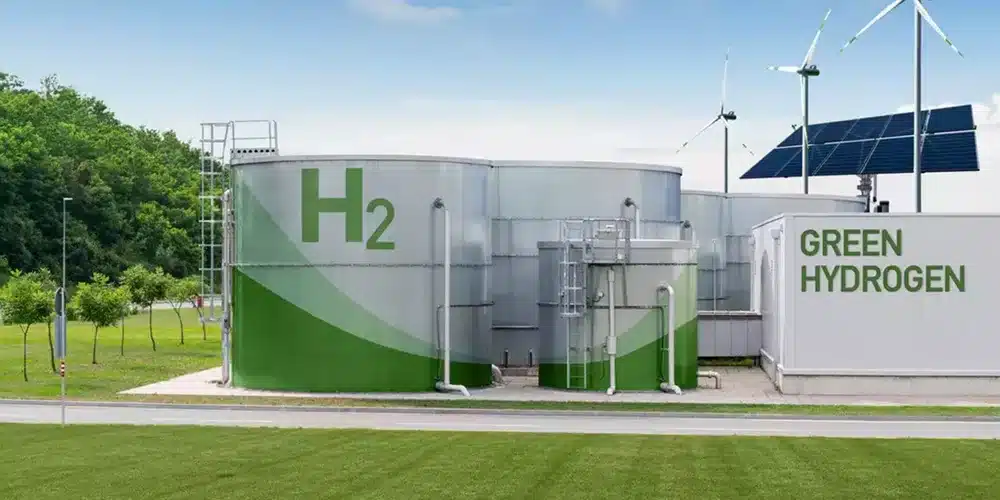
Maritime decarbonization is looking for its “pivot fuel,” and hydrogen is back at the center of discussions. A new analysis by Lloyd’s Register highlights a nuanced observation: green hydrogen ticks the “zero emissions in use” box and can support the shipping industry’s carbon neutrality goal by 2050, but its scaling up remains hindered by very concrete constraints.
The first obstacle is physical: hydrogen requires much more demanding cryogenic conditions than LNG, with an extremely low boiling point. To this is added an unfavorable volumetric density, which requires more space on board and increases the cost of storage and distribution systems. On the safety side, the sector has to deal with specific risks, notably leak detection and the operational management of a difficult-to-handle gas.
However, the report emphasizes that the trajectory is not blocked: hydrogen is also a “builder” of e-fuels (ammonia, methanol, e-LNG). In other words, even if hydrogen does not massively equip ships tomorrow morning, the rise of e-fuels could trigger upstream investments (production, infrastructure, R&D) and accelerate normalization. On the regulatory front, the frameworks are still under construction, with provisional guidelines expected at the IMO level. Operational conclusion: the potential is real, but the most advanced projects will be those capable of simultaneously securing technology, safety rules, and supply chain.