



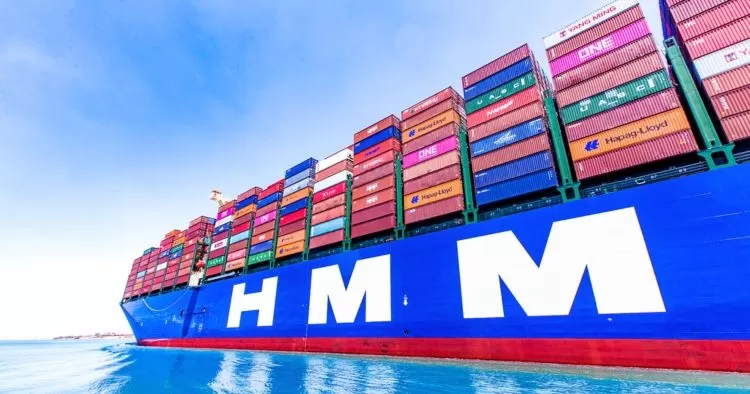
The South Korean carrier HMM is launching an early retirement program primarily targeting senior employes. The company offers a package including compensation equivalent to at least two years’ salary, along with support for retraining, reemployment, or entrepreneurship.
Officially, HMM presents the approach as a lever for internal organization, aiming to streamline the structure and prepare for new recruitments. But in the market, the timing raises questions: the measure comes at a time when signs of weakness are multiplying on the container side, with a decline in freight indices and persistent concerns about overcapacity, fueled by the arrival of new ships.
The article places this decision in a broader context: several major players are strengthening their cost-cutting plans, anticipating a more complicated phase after an exceptional period of shareholder distribution. In a historically cyclical sector, companies are looking to reposition themselves before margin pressure becomes too strong.
In the background, the central question is that of capacity discipline and the ability of alliances/companies to halt a prolonged slide in rates. For shippers as well as for forwarders, these internal movements within carriers are a leading indicator: when cost reduction becomes a priority, the market often prepares for a more competitive cycle with less “pricing power.”