




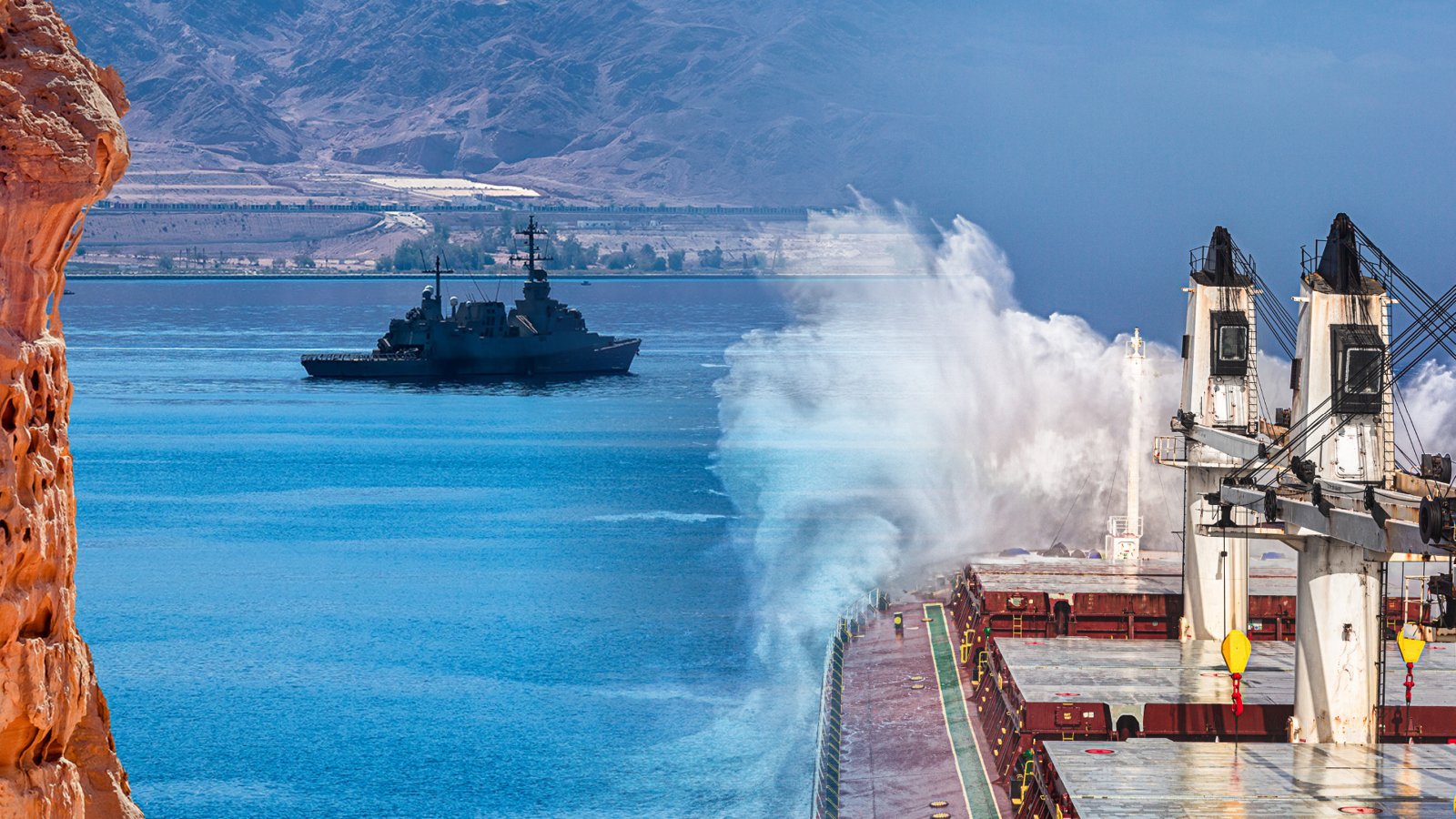
While attention has focused on the Middle East energy shock, the Strait of Hormuz crisis is also disrupting global dry bulk markets. BIMCO analysis shows bulk carrier transits through Hormuz have dropped by about 70% compared with this time last week.
The world’s largest shipowners’ association estimates that around 4% of global dry bulk volumes and tonne-mile demand have been affected by hostilities. Arrow Shipbroking data indicates that in 2025, 1.9% of total global capesize demand passed through the strait, alongside 5.6% of panamax demand and 5.7% of supramax/handymax demand.
Hormuz is best known as a chokepoint for oil and gas exports from major producers such as Saudi Arabia, Kuwait, the UAE and Iraq. Dry bulk flows, however, are primarily inbound. Grains, iron ore and steel account for roughly 60% of import volumes and 70% of tonne-mile imports, with key suppliers including Argentina, Brazil and China.
BIMCO shipping analysis manager Filipe Gouveia warned that if disruptions last and ships stop transiting altogether, the dry bulk market could weaken—particularly in segments other than capesize. Import demand from Persian Gulf countries would likely fall because overland alternatives are insufficient to meet current needs. Replacing some exports from the region could also be difficult in the medium term due to limited alternative suppliers for commodities such as limestone.
Gouveia noted that more than half of the world’s limestone—about 52%—is shipped from the UAE via Hormuz, mainly to India and Bangladesh for cement and steel production. The Gulf also supplies roughly 45% of global sulphur shipments and more than a quarter of global urea cargoes.