



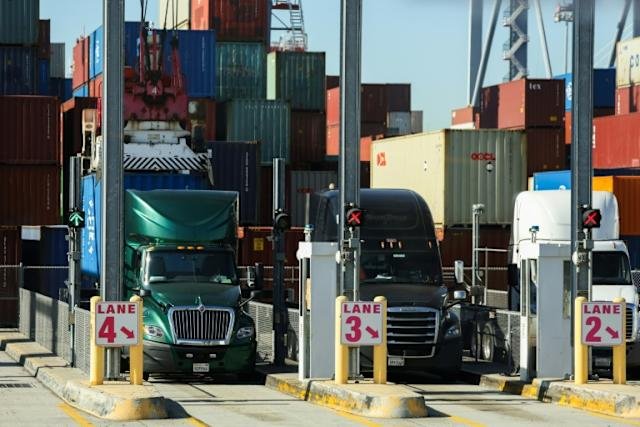
The U.S. trade deficit widened in December, driven by an increase in imports. For the logistics ecosystem, this dynamic immediately translates into an increase in the workload of port and inland chains.
The growth of capital goods particularly attracts attention, as it reflects a demand oriented toward industrial and technological investment. This leads to more rotations, containers, and arbitrations between modes of transport according to the criticality of the flows.
The increase in import volumes supports the pressure on drayage, storage, and the availability of logistical slots. In a context of commercial uncertainty, some shippers are securing their capacities earlier, creating booking peaks.
These macro indicators serve as an early warning for operators and freight forwarders, influencing capacity planning decisions and multi-corridor strategies. Before the market sees it in the rates, it sees it in the imports.