Air Nov 25, 2026
Malaysia Aviation Group Selects Boeing 787-10 to Strengthen Long-Haul Fleet, with Option for Six More Aircraft
The airline group plans to acquire 10 Boeing 787-10 Dreamliners, with the possibility of adding six more, as it prepares to expand its international network and reinforce its passenger and cargo capabilities across key global markets.
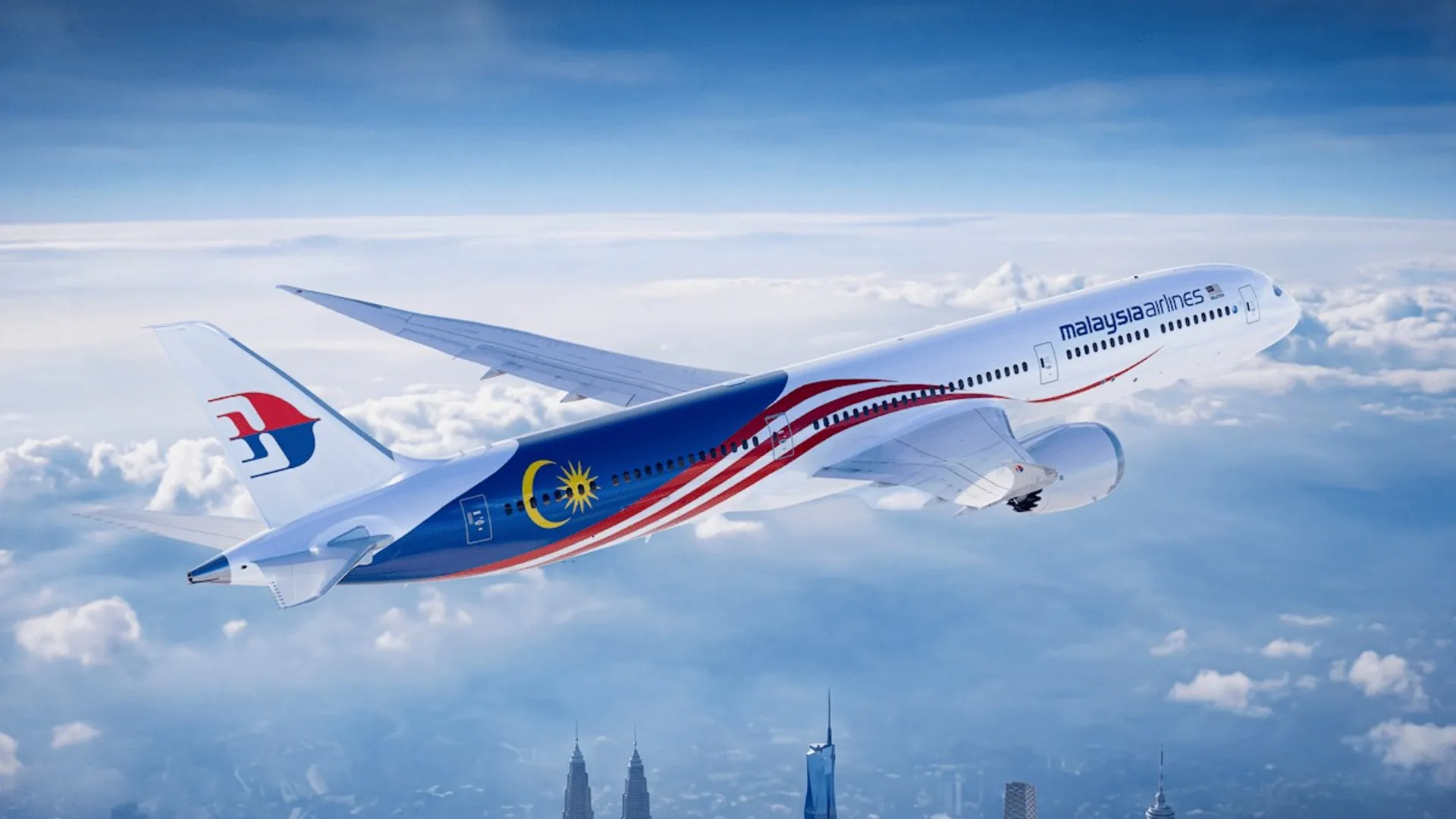
Boeing and Malaysia Aviation Group (MAG) today announced an agreement for Malaysia Aviation Group’s (MAG) first ever order for 787 Dreamliner airplanes. The order is for the 787-10, the biggest variant of Boeing's widebody 787 family, with an initial order for 10 aircraft and options for six more jets, pending finalization.
The investment is part of Malaysia Airlines’ wider plan to refresh its long-haul fleet and grow its international operations. The airline plans to use the 787-10 on its long-haul network, especially on high traffic routes connecting Malaysia with Europe and throughout the Asia Pacific.
The aircraft also increases the group’s air cargo capacities beyond passenger services. Depending on the variant of the 787, the Dreamliner can carry 28 to 40 LD3 cargo containers, or 9 to 13 pallets, in its lower holds. That equates to an estimated cargo volume capacity of 136.7 to 192.6 cubic meters (4,826 to 6,800 cubic feet).
The fleet decision follows sustained growth in international travel demand across Southeast Asia. Over the past decade, long-haul flights to and from the region have increased by more than 50%, providing airlines with more chances to add capacity and improve their international connections.
''This acquisition is a strategic investment for the long-term development of the group,'' said Captain Nasaruddin A. Bakar, president and group chief executive of MAG.
“The aircraft will provide greater capacity, operational efficiency and flexibility across key international markets, while helping to deliver the passenger experience expected by Malaysia Airlines customers,” he said. He also pointed out the necessity of having a modern and competitive airline to support Malaysia’s international connectivity and global ambitions.
The announcement also marks MAG’s return to Boeing widebody aircraft, having previously operated the manufacturer's 747 and 777 types.
The new 787-10s will be added to Malaysia Airlines’ current fleet of Boeing 737s, which is also expected to grow with orders for the 737-8 and 737-10 variants.
The agreement strengthens a partnership with Malaysia that Boeing has had in place for almost 80 years. Boeing Global president Dr Brendan Nelson AO also welcomed the decision by the airline group, noting it highlighted the manufacturer’s continued commitment to the nation’s aviation sector, including its local workforce and supplier network.
The expansion plans also reflect the broader growth prospects for the Southeast Asian aviation market. “The forecasts indicate that the region will require almost 5,000 new aircraft by 2045, including over 850 widebody aircraft to satisfy growing international passenger demand. The expansion also comes as demand for airfreight services across the region is on the rise.
“The fuel efficiency and passenger experience of the 787 Dreamliner will be important in shaping Malaysia Aviation Group’s future long-haul operations,” said Erika Pearson, Boeing vise president of Sales and Marketing for Southeast Asia and Oceania. She also emphasized the need to strengthen the long-standing relationship between the two organizations.
Boeing also has an industrial footprint in Malaysia. Boeing Composites Malaysia is the company's only wholly-owned manufacturing plant in Southeast Asia, and it is staffed entirely by Malaysian employees.
The facility produces composite products and subassemblies for Boeing’s commercial aircraft programs including the 787 Dreamliner.
In addition to its manufacturing activities, Boeing also contributes to the development of Malaysia’s aerospace industry through safety training, sustainability workshops, supply chain development, university partnerships and community support programs.
As such, the proposed acquisition of the 787-10 will be more than a fleet renewal exercise for Malaysia Aviation Group. It also supports the airline’s ambition to grow its international network, while positioning its passenger and cargo operations to benefit from the continued growth of aviation across Southeast Asia.
END OF REPORT