



The new head of the US Maritime Administration is calling for nothing less than a full-scale reconstruction of the American maritime system.
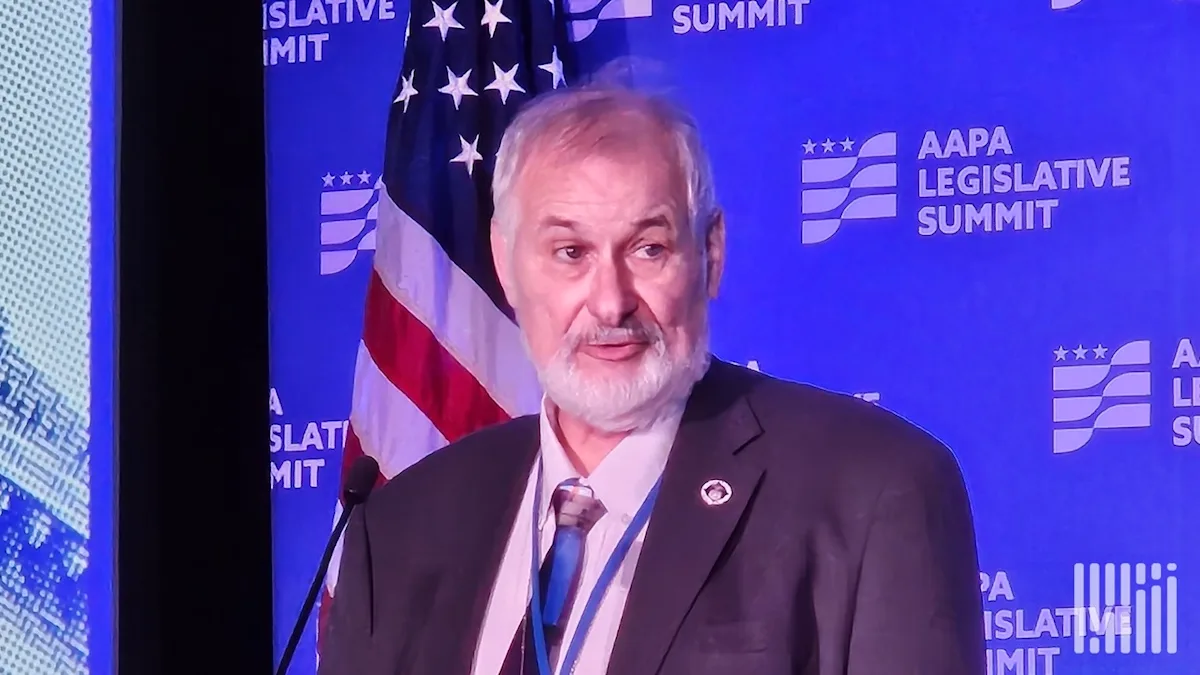
Speaking at the Association of American Port Authorities legislative summit in Washington, Maritime Administrator Stephen Carmel argued that the United States cannot restore maritime strength by focusing on shipyards alone. The problem, he said, is deeper and more structural: the entire industrial and logistical ecosystem that once supported American maritime power has been allowed to erode.
Carmel laid out the scale of the decline in stark terms. Today, the United States produces less than 1% of global commercial ships and has not built a ship for export since 1960. US-flag vessels carry less than 2% of the country’s international commerce and none of its international energy trade, a segment he said has been fully outsourced to foreign operators.
For Carmel, that is not just an industrial weakness. It is a system failure.
He argues that shipbuilding cannot exist in isolation. It follows cargo, and cargo follows logistics networks. Rebuilding maritime capability therefore means rebuilding the broader system that supports it: ports, logistics flows, repair capacity, labor, digital visibility and national resilience.
He framed that mission through the Maritime Action Plan recently released by the Trump administration, which he said is built around four pillars: rebuilding shipbuilding, expanding ship repair capacity, reforming and growing the maritime workforce, and protecting the maritime industrial base while strengthening national security.
Those pillars, Carmel stressed, are not meant to stand separately. They are designed to reinforce one another in a larger attempt to rebuild the maritime ecosystem as a whole.
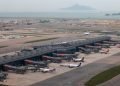
Ports sit at the center of that strategy. Carmel described the US port network — including inland waterways, Great Lakes and seacoasts — as the largest and most economically integrated waterway system in the world. In his view, that system is every bit as strategically important as naval readiness, even if it is often discussed far less.
One of the first policy tools under the plan is the idea of Maritime Prosperity Zones, designed to cluster shipbuilding, repair, cargo generation and logistics activity around key port regions. Ports would serve as anchor institutions in those zones.
Cargo generation is the second major focus. Carmel described cargo as the lifeblood of the maritime system. Without it, ships do not sail and ports do not grow. The plan therefore supports expanded cargo preference rules to direct more freight into the American maritime enterprise, though he emphasized that preference alone will not be enough.
The strategy also places major emphasis on supply chain visibility and logistics modernization. Carmel said ports will play a leading role in adopting systems that improve cargo tracking, coordination and national supply chain awareness. He also highlighted undersea cables and digitally deliverable trade, arguing that data has become a 21st-century form of cargo and that physical trade cannot function if communications infrastructure is compromised.
Workforce development is another major pillar, with expanded training pipelines and apprenticeships intended to support the next generation of maritime workers. Carmel pushed back directly against the idea that technology necessarily destroys jobs, saying the industry must reject that narrative if it wants to remain competitive.
At the same time, he argued that innovation must become structural in the US maritime system, not occasional. He pointed to autonomous vessels, digital cargo visibility, robotic terminal operations, advanced fuels and next-generation propulsion as examples of change already reshaping the sector. Ports, he said, are natural laboratories for turning those ideas into operational reality.
He also warned that resilience must now replace efficiency as the industry’s defining strategic metric. The old model of just-in-time, low-cost optimization worked in a more stable world. Today’s environment is marked by geopolitical competition, fragmented energy markets and contested sea lanes. In that world, resilience means diversified trade routes, flexible logistics networks, repair capacity at home and ports capable of absorbing shocks without systemic breakdown.
Carmel drew a direct line between commercial infrastructure and national defense. In his view, the US merchant marine has two essential roles: carry the nation’s commerce and, when required, carry the nation to war. Maritime dominance, he said, depends on doing both without failure.
His message to ports was not passive. He said the port community must take an active role in shaping Maritime Prosperity Zones, piloting new logistics technologies and engaging Congress as legislative support for the plan takes shape.
For Carmel, the stakes are historic. The United States was once the world’s leading maritime power. He believes the country now has a chance to rebuild that position — but only if it thinks in systems, not silos, and acts with enough conviction to make the result last for generations.