



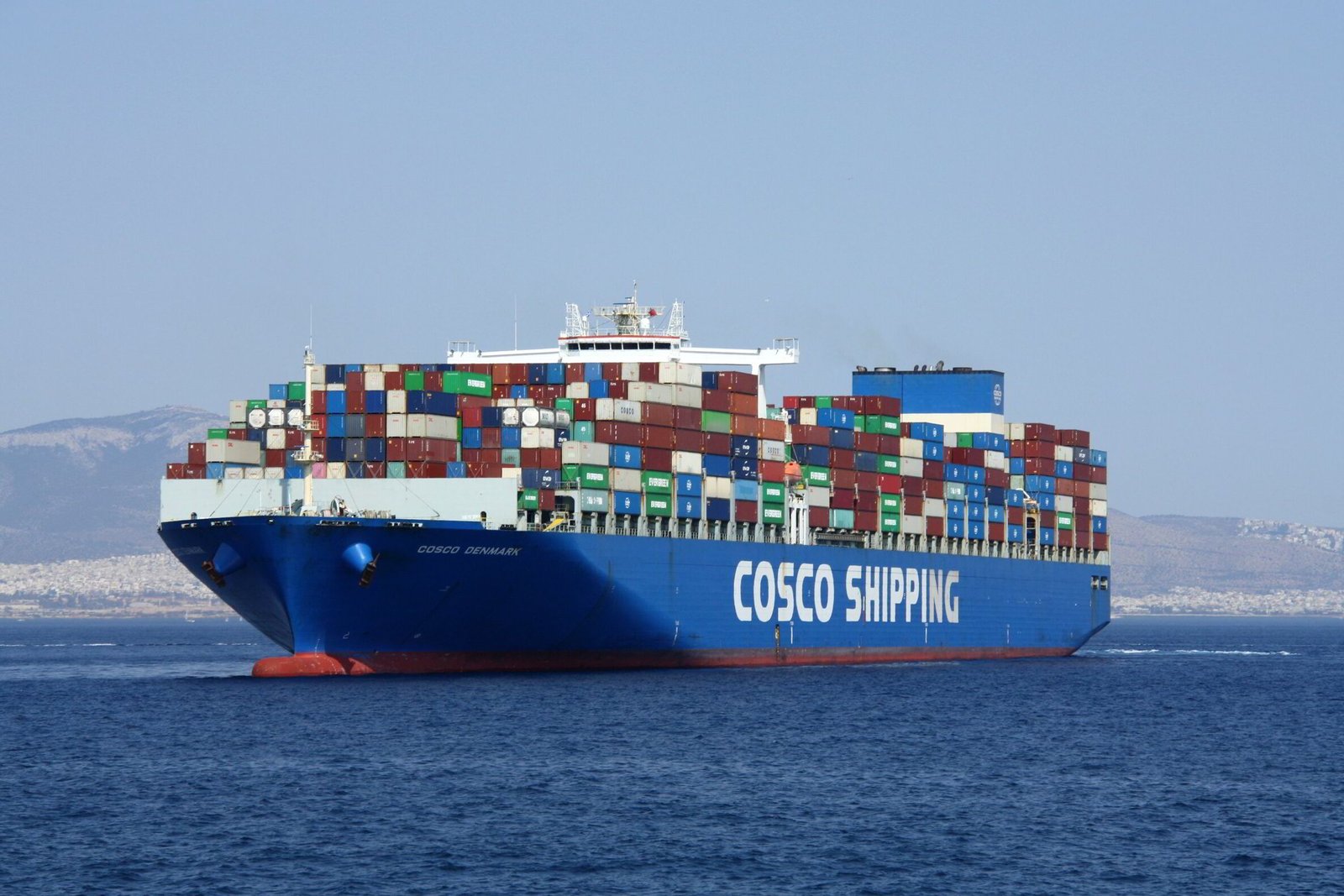
The war in the Middle East is no longer just a regional crisis—it is rapidly becoming a defining force shaping global supply chains. According to Cosco Shipping, one of the world’s largest container carriers, the conflict is expected to significantly “amplify volatility” across international logistics networks in 2026.
In its latest financial filing, the Chinese shipping giant pointed to a fragile macroeconomic backdrop, warning that the container shipping industry is entering a phase of heightened uncertainty. Sluggish global growth, compounded by geopolitical tensions and fluctuating US tariff policies, continues to weigh heavily on trade flows.
Looking ahead, Cosco expects market conditions to grow even more complex, with instability becoming a structural feature rather than a temporary disruption.
Yet, not all signals are negative. Emerging economies—particularly in Southeast Asia and Latin America—are showing strong momentum. Trade cooperation among developing nations is intensifying, supported by expanding free trade agreements such as the Regional Comprehensive Economic Partnership (RCEP), which is helping to stimulate demand across key corridors.
On the supply side, Cosco anticipates a partial rebalancing between cargo volumes and fleet capacity. Container demand is projected to grow by a modest 2.5% in 2026, while fleet expansion is expected to reach 3.8%—the slowest pace in three years.
This gap, however, could continue to exert downward pressure on freight rates. Cosco notes that congestion linked to shifting carrier alliances and the ongoing Middle East conflict may partially offset this effect.
Financially, 2025 proved challenging. Net profit fell sharply by 38% to $4.3 billion, while revenue declined 6% to $30.7 billion. The fourth quarter was particularly weak, with profits plunging 60%.
Trade routes between Asia and Europe, along with Mediterranean services, were among the hardest hit, recording an 18% drop in revenue. Trans-Pacific routes also declined by 17%, while intra-Asia services remained stable.
One bright spot came from Cosco’s terminal operations, where revenue rose 11% to $1.7 billion, supported by a 6% increase in throughput to 153 million TEUs.
Looking forward, the company is shifting its strategic focus toward emerging trade corridors, particularly those linking Southeast Asia, Latin America, North Africa and India—regions expected to play a growing role in reshaping global logistics.