Maritime Nov 23, 2026
MSC Fleet Surpasses 1,000 Container Ships as Port Congestion Becomes the Industry’s New Normal
The Aponte family’s shipping group continues to expand its global operations through investments in vessels, port terminals and inland logistics, while facing growing operational challenges linked to persistent port congestion.
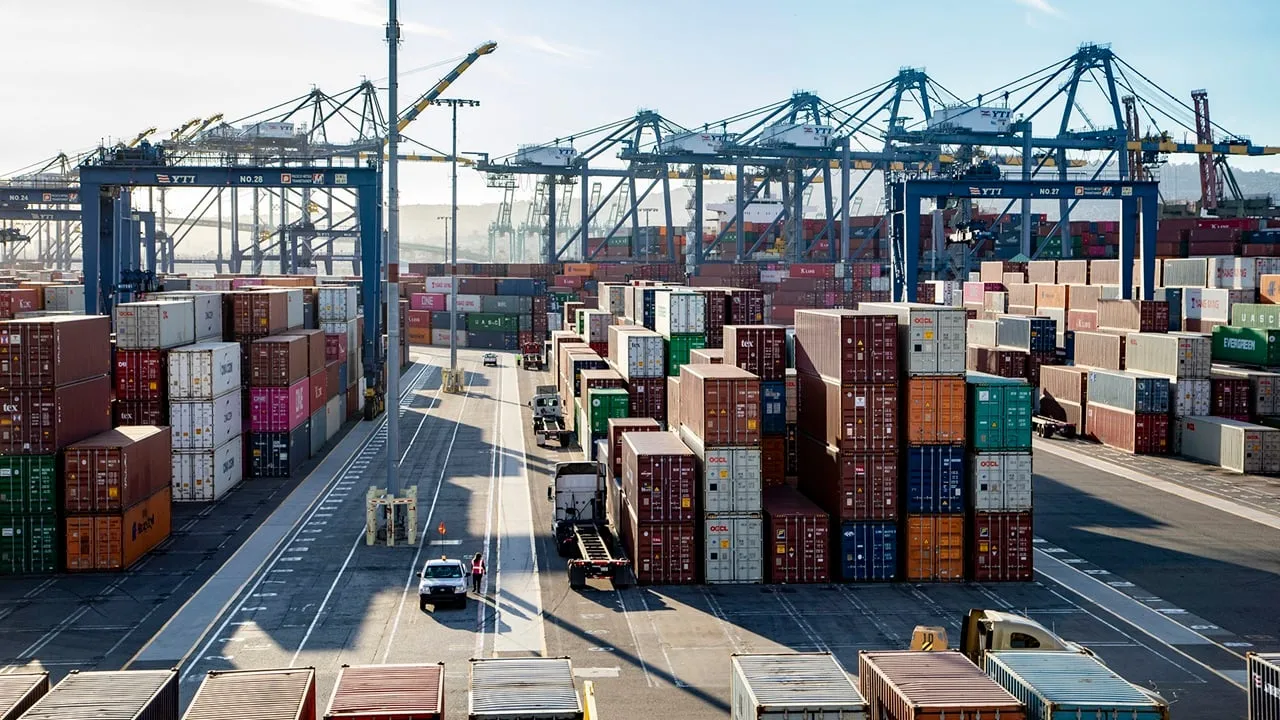
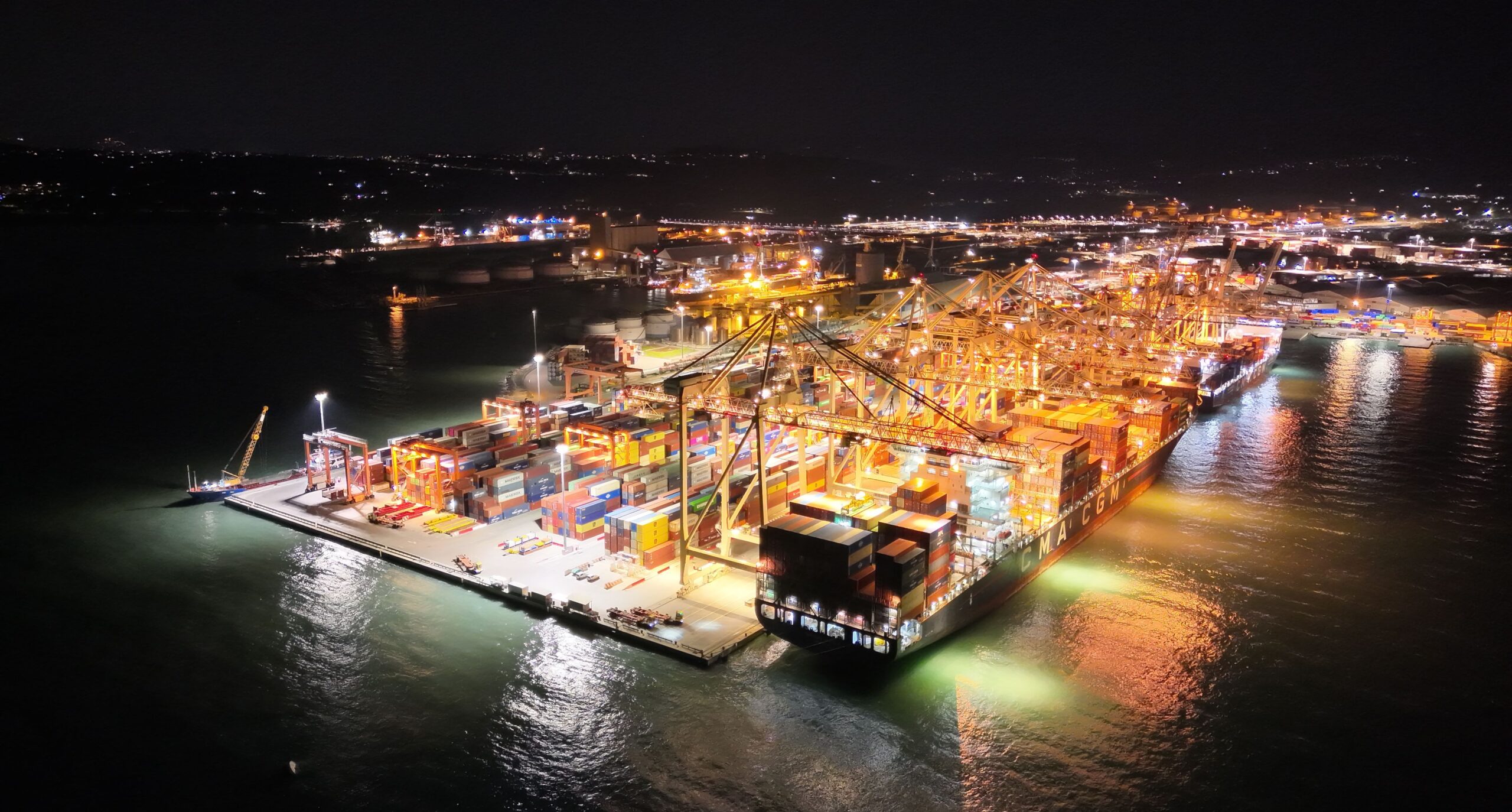
MSC’s container ship fleet has passed the 1,000-vessel mark, a major milestone in its global growth. But with the firm steadily expanding its shipping network and transport capability, the ongoing port congestion is becoming one of the biggest challenges for the sector.
MSC chief executive officer Søren Toft explained the situation in an update on LinkedIn after the group’s third-quarter 2026 results. The commentary focused on the company’s operational performance, investment priorities and the challenges facing the global shipping environment.
Toft says 2026 has happened in two distinct phases. The year started quietly enough for MSC, but from the spring onward activity picked up dramatically, with particularly strong growth in cargo flows from Asia. This impetus has contributed to the growth of the group’s transport capacity, and the development of its international service network, with the opening of new routes and the deployment of more vessels.
With its container fleet now exceeding 1,000 ships, MSC is continuing its fleet renewal programme, with a particular focus on dual-fuel vessels that can run on liquefied natural gas (LNG). The group’s ambitions here are significant: Toft said MSC’s total capacity of LNG-ready vessels will exceed 4 million TEUs in the coming years. The target reflects the scale of the company’s ambition to expand and modernise its maritime transport capabilities.
But MSC’s investment strategy is much broader than container shipping. The group is also increasing its commitment to port infrastructure, including the construction of a new terminal in Morocco, while continuing to strengthen its inland logistics operations. Meanwhile, the company has placed additional orders for car carrier vessels, reflecting its ambition to strengthen its role in the vehicle transportation market.
The operational pressures continue to be a major concern in spite of the continued growth. Toft said port congestion has become the new normal in our industry, and it is an increasingly structural problem across the maritime sector. He also cited the continuing geopolitical uncertainty that does not make international shipping operations easy and requires companies to be flexible and responsive to changing conditions.
For MSC, in this environment, reliable services means adapting operational strategies to disruptions, ensuring customers still get dependable transport solutions.
The problem is particularly acute as shipping companies continue to add new ships to the fleet and increase total carrying capacity. With larger fleet sizes and higher volumes of cargo, the pressure on port infrastructure is increasing, making efficient terminal operations, faster vessel handling and stronger inland transport connections ever more important.
So MSC’s growth highlights a wider problem for the global shipping industry. To make supply chains operate reliably amid persistent congestion and geopolitical uncertainty, new maritime capacity must be complemented by adequate port infrastructure and efficient landside logistics.
END OF REPORT