Tech Nov 23, 2026
Nvidia strengthens supplier partnerships to accelerate AI chip production
The semiconductor giant is expanding long-term agreements with three key manufacturing partners to increase capacity for package substrates and advanced packaging, as demand for AI infrastructure continues to exceed available supply.
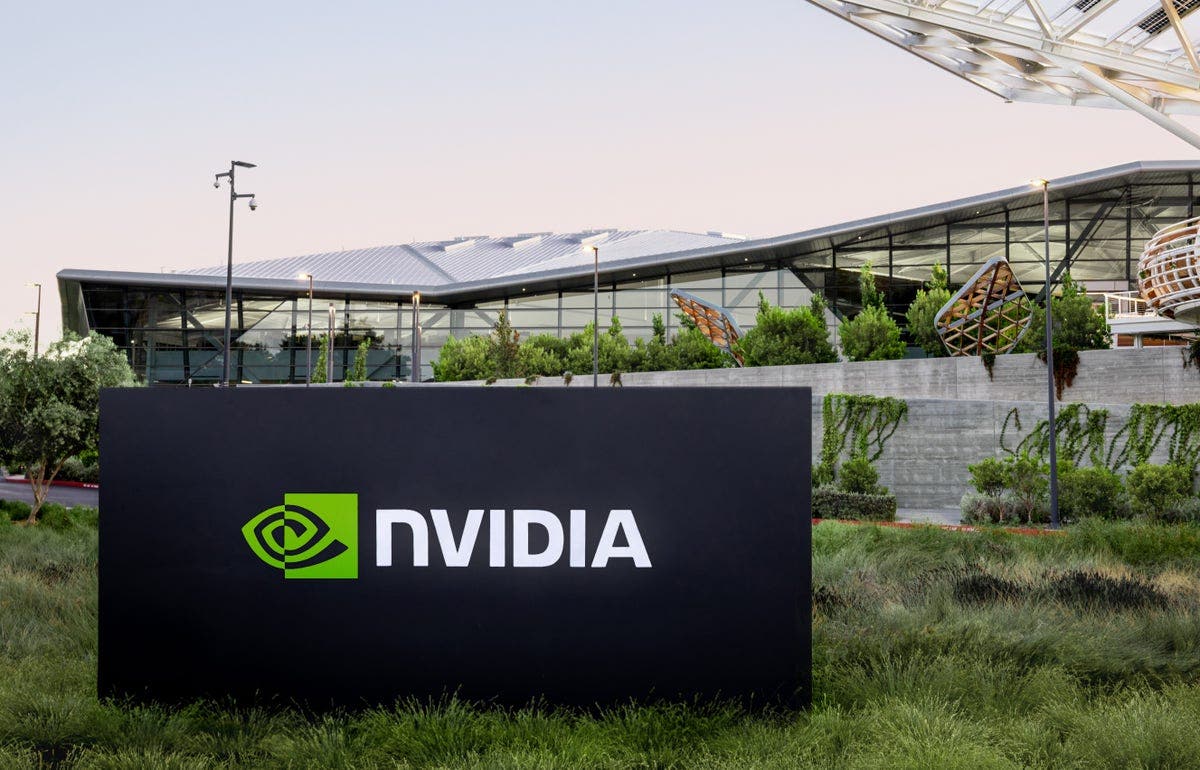
Nvidia is ramping up efforts to secure the manufacturing capacity needed to support the rapid growth of artificial intelligence infrastructure. The company has signed new production deals with three of its supply chain partners: Kinsus Interconnect Technology, Samsung Electro-Mechanics and Siliconware Precision Industries (SPIL).
The pacts, announced Nov. 17, 2026, will boost production of key components used in Nvidia’s AI computing platforms, helping the company respond to continued demand for its technology.
Under the arrangements, Kinsus and Samsung Electro-Mechanics will increase their production capacity of package substrates. They’re the building blocks that link semiconductor chips to circuit boards. SPIL also plans to increase its capacity for advanced packaging, a manufacturing process that combines multiple silicon components into a single chip package, either by stacking them or placing them side-by-side.
The move reflects rising pressure on the semiconductor supply chain as demand for AI computing systems continues to outstrip available production capacity.
“Demand continues to outstrip supply and we are working closely with our partners to accelerate capacity expansion across critical components including wafers, substrates and advanced packaging,” Colette Kress, Nvidia’s interim CEO and CFO, told investors on the company’s earnings call this week.
Long-term commitments for manufacturing capacity
For months, Nvidia has been trying to squeeze more manufacturing capacity out of its suppliers. The latest deals come after a series of initiatives announced in October when the company announced agreements with six suppliers including Samsung Electro-Mechanics and SPIL to strengthen manufacturing capabilities.
“Our supply chain is a strategic advantage,” said Debora Shoquist, executive vise president of operations at Nvidia, in the Nov. 17 announcement.
The newly disclosed commitments are long-term commitments with individual arrangements tailored to each manufacturing partner.
Kinsus plans to boost its manufacturing capacity for package substrates for Nvidia by more than 3.5x at its Youth campus in Taoyuan, Taiwan. The expansion is slated to be complete by the third quarter of 2028.
For its part, Samsung Electro-Mechanics has added to its existing package substrate supply agreement with Nvidia to enhance operational capabilities at its existing manufacturing plants. The move comes after commitments made in October, when the South Korean firm pledged to upgrade existing sites and build new plants in Sejong and Busan. It also committed to dedicate a “significant portion” of its total annual production capacity to Nvidia.
SPIL plans to expand its advanced packaging operations in Taiwan to increase its contracted manufacturing capacity for Nvidia by mid-2029.
Building on a larger supply chain expansion strategy
The latest commitments are part of a broader plan to secure the components and manufacturing toolkits necessary to scale up Nvidia’s AI infrastructure.
Among those announced in October were pacts with Samsung Electro-Mechanics and substrate makers Ibiden and Unimicron Technology Corp. The companies promised to raise their combined manufacturing capacity 2.5 times in three years.
Nvidia also has secured more production commitments in other parts of the semiconductor supply chain. The deal with Amkor Technology is for increasing advanced packaging capacity while the one with SPIL is for boosting advanced optical engine capacity.
Nvidia also set aside $1.1 billion to reserve manufacturing capacity from King Yuan Electronics Co. The company will use the funding to build new testing facilities and purchase equipment for its U.S. operations.
With these successive deals, Nvidia is trying to shore up access to key semiconductor manufacturing resources in the years ahead. The strategy stresses the importance of long-term supplier relationships to help overcome capacity constraints and ensure the continuous development of AI computing infrastructure.
END OF REPORT