



Ocean Network Express (ONE) has significantly strengthened its strategic relationship with one of its most important tonnage providers by increasing its ownership stake in Poseidon Corp., the parent company of Singapore-based containership owner Seaspan.
The Singapore-headquartered carrier announced that it has signed an agreement to acquire additional shares in Poseidon from existing investors, bringing its total stake in the company to 48.9%. With this move, ONE becomes the largest external shareholder of Poseidon.
Although the company did not disclose the exact price of the transaction, the deal could approach $1 billion in value based on related disclosures made by Fairfax Financial, which confirmed it sold roughly half of its own stake in Poseidon for approximately $1.91 billion.
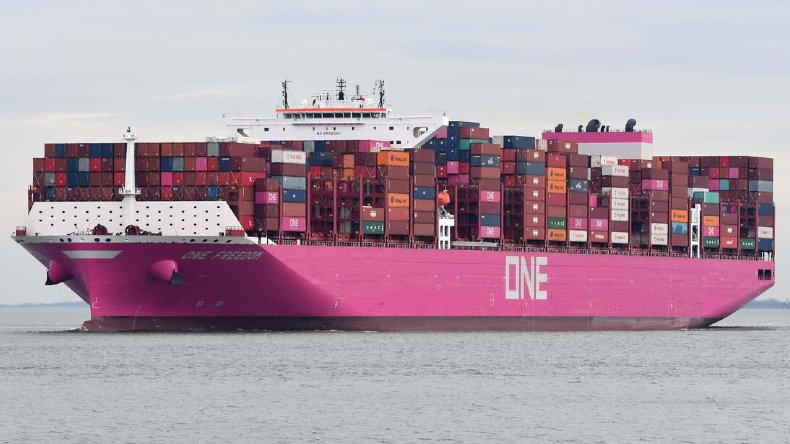
Seaspan plays a crucial role in ONE’s fleet strategy. The shipowner currently charters 43 container vessels to ONE, representing around 417,000 TEUs of capacity — close to 20% of the carrier’s chartered fleet capacity.
According to ONE CEO Jeremy Nixon, the investment reflects the company’s broader strategy to expand its fleet capacity to 3 million TEUs by 2030, a key objective under the carrier’s ONE 2030 strategic plan.
“Since our initial investment in 2023, Seaspan has achieved remarkable growth as the world’s leading tonnage platform,” Nixon said. “This additional investment in Poseidon fully aligns with our long-term fleet development strategy.”
ONE currently operates a fleet of 281 vessels, representing approximately 2.2 million TEUs of capacity, and continues to pursue additional tonnage as global vessel availability remains tight.
Speaking recently at the TPM26 conference in Long Beach, Nixon highlighted that the charter market for containerships remains extremely constrained.
“There are really no ships available,” he noted, stressing that shipping lines must plan vessel investments four to six years ahead to secure future capacity.
The latest investment also reflects the growing importance of long-term partnerships between carriers and vessel owners as container lines seek greater stability in fleet planning.
Across the global logistics ecosystem, partnerships between carriers, shipowners and freight networks continue to play a key role in supporting reliable maritime capacity — a topic increasingly discussed within professional industry communities such as EAN Networks, which connects forwarders worldwide.