Business Nov 10, 2026
OTAA strengthens its U.S. fulfillment network as end of de minimis exemption raises shipping costs
The Australian menswear brand is moving most of its U.S. orders to a Longview, Texas, fulfillment center in a partnership with Cart.com to cut logistics costs and improve delivery efficiency.
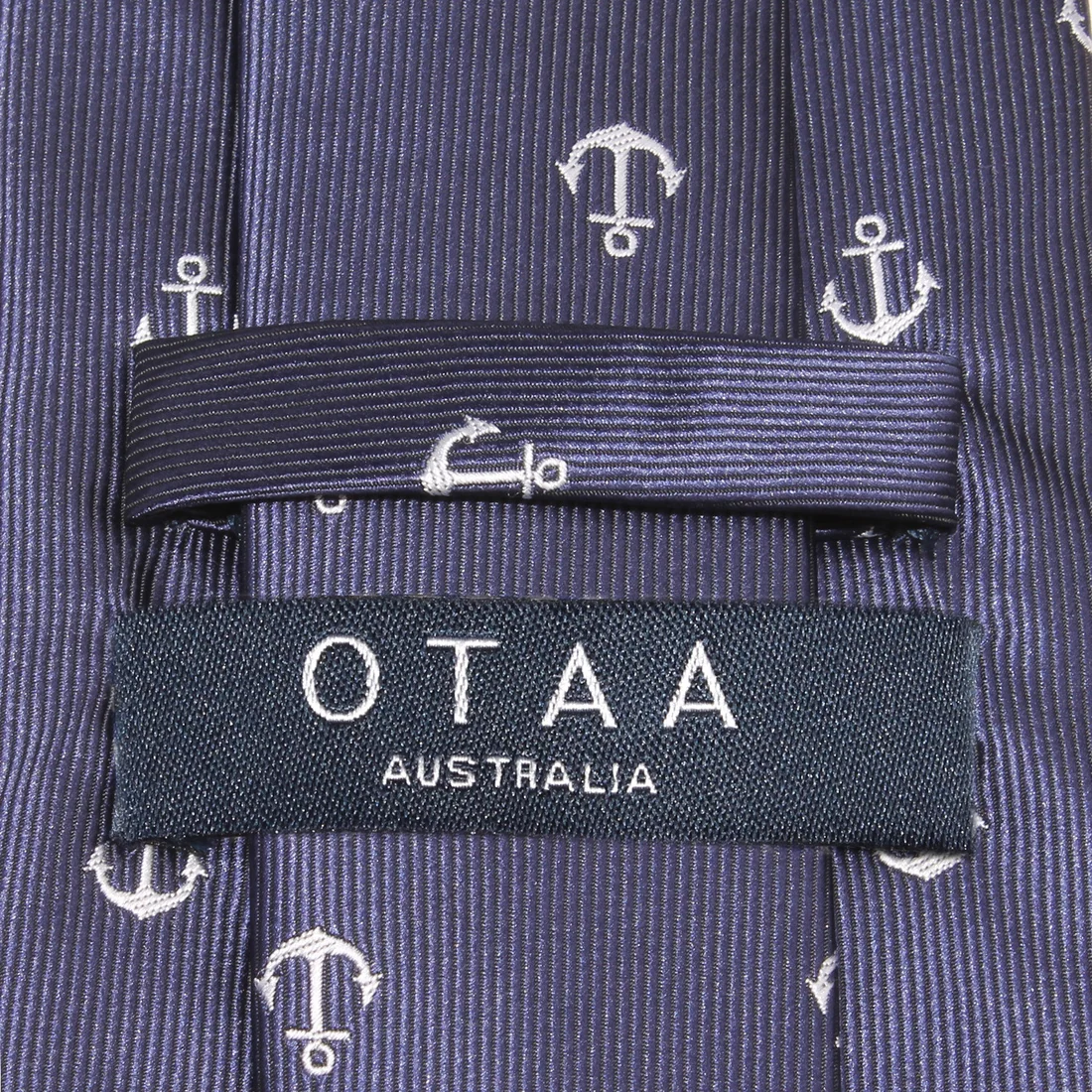
Australian menswear brand OTAA, known for its ties and cufflinks, is expanding its U.S. fulfillment operations through a partnership with logistics provider Cart.com. The move comes after the elimination of the U.S. de minimis exemption, which has increased the cost of servicing U.S. customers with shipments coming from overseas, according to a press release Nov. 4.
The company ships most U.S. orders from Cart.com’s fulfillment center in Longview, Texas. OTAA started shipping from its Texas location in February, creating a domestic logistics base in the brand’s biggest market, which accounts for about half the brand’s overall business.
The change comes after U.S. President Donald Trump last year eliminated the de minimis exemption. Previously, imported goods valued at less than $800 were allowed to enter the U.S. free of duty and taxes. That allowed e-commerce firms to serve American shoppers more economically, shipping individual orders directly from overseas.
Now that premium is gone, retailers are taking a closer look at their inventory positioning and fulfillment strategies to avoid paying more.
“De minimis being eliminated changes the economics of serving American customers and makes the decision of where to hold inventory much more impactful,” said Omair Tariq, founder and CEO of Cart.com, in the press release. He said brands need to have U.S.-based operations that are oriented to existing demand but are also capable of scaling as their businesses grow.
A gradual build of U.S. stock
Melbourne's OTAA is incrementally adding to the range of products offered through its American fulfillment network. First, they examine the brand’s best sellers — the stuff that comprises most of the brand’s U.S. orders.
Cart.com’s Longview facility has approximately 1,750 OTAA styles, or about 20% of the company’s product catalog. The majority of orders placed by U.S. customers now ship from here.
OTAA is looking to increase the assortment, with approximately 1,000 more styles added by year-end. Demand is rising in the American market and more inventory is coming.
The financial advantages of this approach are already becoming clear. OTAA spends about 50 percent less to fulfilll and deliver an order from Texas than to process and ship the same order from Melbourne, on average, the press release said.
Retailers under pressure after de minimis removal
The OTAA's decision is a symptom of a larger problem confronting international retailers that have depended on the de minimis provision to keep the cost of cross-border e-commerce in check.
The exemption was dropped and several other companies have since reported similar difficulties.
Lululemon said in its 2025 earnings call that loss of de minimis benefits and higher duties were expected to take a $240 million bite out of profits last year.
The Canadian retailer DavidsTea has also seen higher costs and more complicated operations in shipping orders from Canada to the United States. Meanwhile Aritzia said it was facing trade related challenges in its business and the removal of de minimis was a third of its reported headwinds.
With the cost of cross-border deliveries weighing on international e-commerce operations, OTAA’s expansion in Texas demonstrates the way retailers are reconfiguring their fulfillment networks to bring inventory closer to their end customers. The Australian brand’s local US logistics footprint offers a way to cut delivery costs while allowing for more expansion in its most important market.
END OF REPORT