Air Nov 16, 2026
Outdated Copper Wiring Behind Major US Aviation Ground Stop
A technical failure during a copper wire upgrade triggered widespread flight disruptions across the United States, affecting around 20,000 flights and exposing the vulnerabilities of ageing aviation infrastructure.
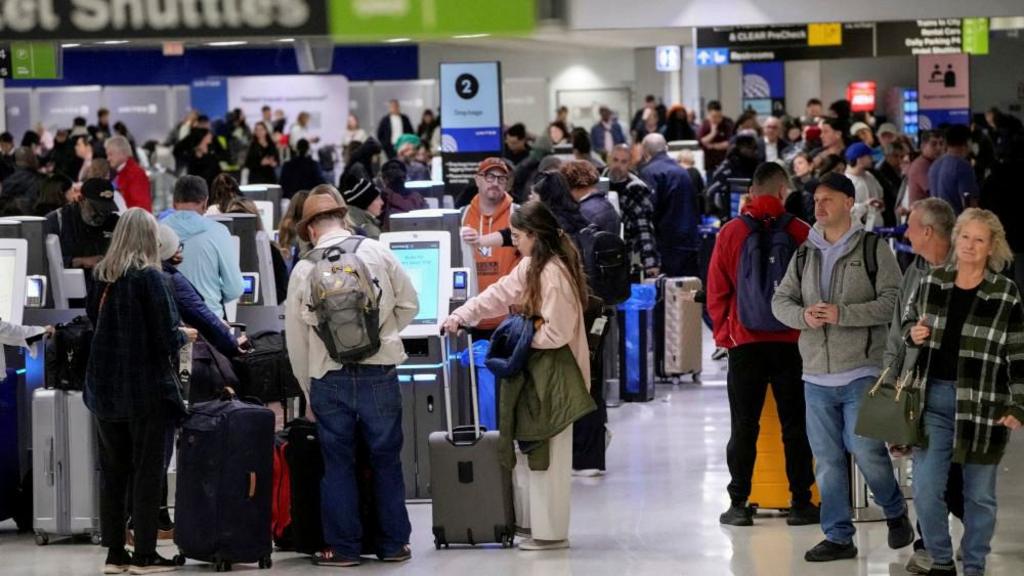
U.S. Transportation Secretary Sean Duffy said a technical problem during an upgrade to an aging copper wire system caused the nationwide ground stop that disrupted air traffic across the United States on Friday.
Duffy told reporters at a press conference over the weekend that the Trump administration was investigating the circumstances surrounding the failure, including whether it resulted from contractor negligence or a faulty router.
The copper wires in question were being decommissioned because they were old. But the precise cause of the incident has yet to be confirmed.
“It was such an old wire it was being phased out,” Duffy said. “We haven’t figured out what the fault was – was it the router or they weren’t doing great work for us.
The Secretary said there would be an inquiry to find out who was responsible. He also warned that contractors and service providers involved in the project could be held responsible if they are found to have contributed to the disruption.
"A lot of our contractors, a lot of our partners, they take our money and they provide us with really poor service," Duffy said. "The administration has demanded better performance from our partners because the American public deserves better service.
Thousands of flights thrown into disarray
The incident had serious consequences for U.S. aviation operations. Some 50,000 flights were scheduled for Friday, about 20,000 of which were affected by the disruption.
Federal Aviation Administration (FAA) Administrator Bryan Bedford said the measure was intended to relieve pressure on the aviation network while authorities investigated the underlying technical instability.
“We did that because we thought it was helpful to take pressure off the system … as we continue to work through the root cause analysis of the instability in the system,” Bedford said.
The Friday operational consequences continued. Saturday saw about one in four flights leaving the United States canceled, while services at major US aviation hubs were generally running up to an hour late.
Aging infrastructure raises concerns about future disruptions
The incident has raised new questions about the reliability of the nation’s aging aviation infrastructure, beyond the immediate consequences of the flight cancelations.
Bedford warned that other technical failures could occur if the aging system remains in service. “It’s critical to replace the infrastructure so we’re not having these disruptions in the future,” he said.
“It’s going to keep breaking until we replace it, let’s not kid ourselves,” he warned.
His comments highlight the challenges confronting US aviation regulators in upgrading crucial systems and keeping the nation's air traffic moving.
The investigation should help clarify what, technically, went wrong Friday and whether the contractors who conducted the upgrade played any role in triggering the nationwide disruption.
END OF REPORT