



Two major consolidation stories are unfolding at the same time in freight transportation — one in rail, the other in ocean shipping — and they share the same underlying objective: gain stronger control over the infrastructure layer that competitors and customers depend on.
In rail, Union Pacific and Norfolk Southern are pursuing an $85 billion merger that would combine UP’s western network with NS’s eastern footprint into a single system spanning 43 states. The Surface Transportation Board rejected the initial filing in January as incomplete, but the carriers have pledged to refile by April 30.
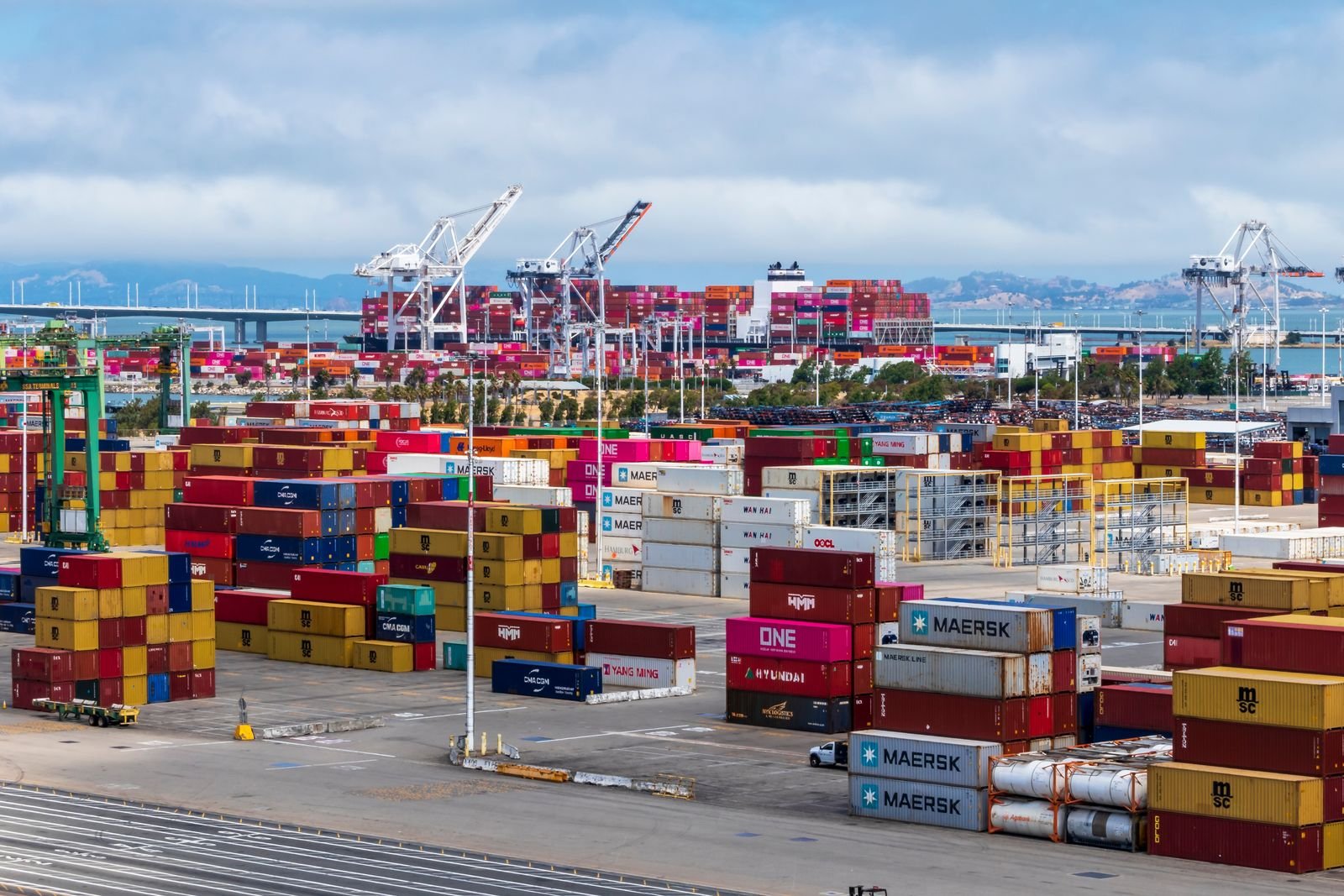
In ocean shipping, Ocean Network Express has agreed to increase its ownership stake in Poseidon Corp., parent of containership leasing giant Seaspan, to 48.9%. That matters because Seaspan is the world’s largest independent containership lessor, owning 241 vessels with more than 2.5 million TEUs of capacity. Nearly every major global container line charters ships from the platform.
At the same time, Hapag-Lloyd has agreed to acquire ZIM Integrated Shipping Services in a deal valued at around $4.2 billion, creating a combined fleet of more than 4.8 million TEUs.
On the surface, these are separate transactions in different industries. But taken together, they point in the same direction: dominant freight players are moving to consolidate the infrastructure that underpins competition itself.
In rail, that infrastructure is the network — track, terminals and dispatch control. In ocean shipping, it is the vessel platform — the ships, charter access and fleet timing that determine who gets what capacity and when. In effect, this is not just corporate expansion. It is structural control.
ONE’s decision to stop at 48.9% is especially telling. Crossing the 50% line would likely require full balance-sheet consolidation of Poseidon’s debt and would more clearly frame the deal as a control acquisition, potentially triggering stronger antitrust scrutiny in Japan and the European Union. At 48.9%, ONE secures significant strategic influence without fully crossing that threshold.
For shippers, the issue is not whether any one transaction is automatically disqualifying. The issue is what these deals look like when viewed together. A rail merger that reduces interchange competition on transcontinental lanes, combined with deeper control over the world’s largest vessel leasing platform, would further narrow the range of infrastructure options available to the broader freight market.
In that sense, 2026 may not simply be remembered for a series of deals. It may be remembered as the year the freight industry’s underlying infrastructure began consolidating at a much deeper level.