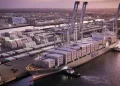




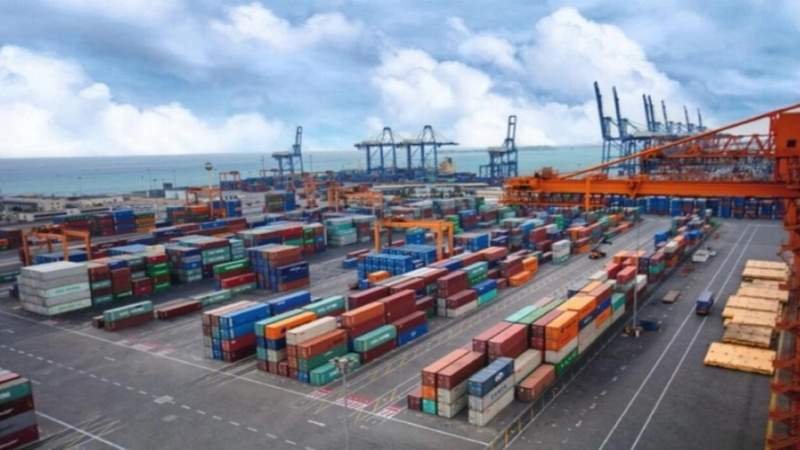
Djeddah asserts itself a notch above in the hub competition, and Maersk is placing a clear marker there. Thru APM Terminals, the group is preparing to acquire 37.5% of the South Container Terminal at the Islamic Port of Djeddah, while DP World retains 62.5% and operational control. Beyond a simple “terminal deal,” the logic is one of vertical integration and aims to secure port capacity where a growing part of the fluidity of maritime chains between Asia, Europe, and Africa is at stake.
The market message is twofold. Linking the terminal to a global shipping line allows for stabilizing service levels, increasing port calls, and capturing additional volumes, particularly thru the Maersk network effect. At the same time, the Red Sea corridor is becoming a battleground where every minute of rotation, every container movement, and every docking window are monetized into market shares.
The stakes go beyond the port itself. Freight forwarders, shippers, and regional distribution operators gain visibility on capacity and timelines. For supply chains (retail, industry, e-commerce), this assurance of passage in Jeddah can reduce the logistics risk premium and influence pricing on certain lanes.
When a shipowner invests at the dock, they are not just buying cranes — they are buying control over the customer promise.