



The global cold chain is entering uncharted territory as the Middle East conflict continues to disrupt one of the world’s most critical trade corridors.
Reefer containers destined for Gulf markets are now stuck in limbo—offloaded at alternative ports and awaiting an uncertain path forward. With the Strait of Hormuz effectively blocked, ocean carriers have suspended the movement of refrigerated, hazardous and specialized cargo across much of the region.
For shippers, the consequences are immediate and costly.
Containers are accumulating in ports across India, Singapore and surrounding regions, incurring rising storage costs while cargo owners face mounting pressure to find alternative solutions. For perishable goods, the clock is ticking.
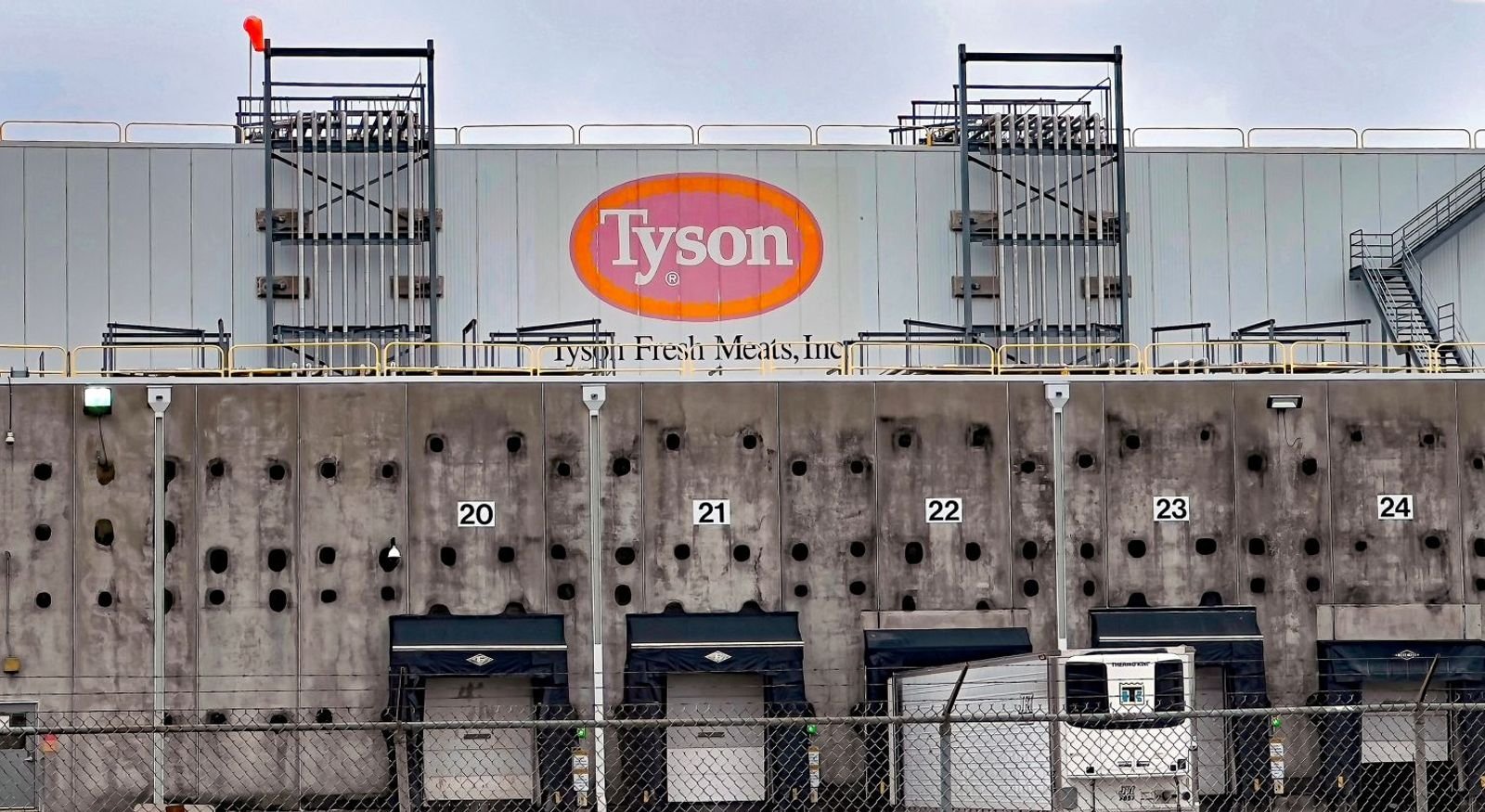
Major exporters like Tyson Foods have already slowed production, as shipments originally bound for the Middle East remain stranded.
Industry experts warn that the disruption is creating a cascading effect across the global supply chain. Equipment is tied up, capacity is tightening and booking restrictions are spreading across carriers.
Alternative routes—such as redirecting cargo via Saudi Arabia or Oman—are under severe strain. Port congestion is intensifying, and inland logistics networks are struggling to cope with surging demand. In Dubai, queues of trucks stretching up to 20 miles have been reported at key terminals.
The crisis is also forcing difficult commercial decisions. Shippers may need to redirect goods to entirely new markets. Products like chicken breast could be rerouted to Europe, while darker meat may find buyers in Africa.
But such shifts come with regulatory, logistical and financial complexities.
Meanwhile, outbound cargo is becoming an equally critical concern. The Middle East accounts for roughly 30% of global fertilizer exports—a cornerstone of agricultural production worldwide. Prolonged disruption could have far-reaching implications for food supply chains, driving up costs and fueling inflation.
With Gulf countries relying on imports for more than 90% of their goods, a prolonged closure of Hormuz would inevitably begin to impact availability on store shelves.
For now, the industry is holding its breath—caught between temporary workarounds and the risk of a deeper structural crisis.