



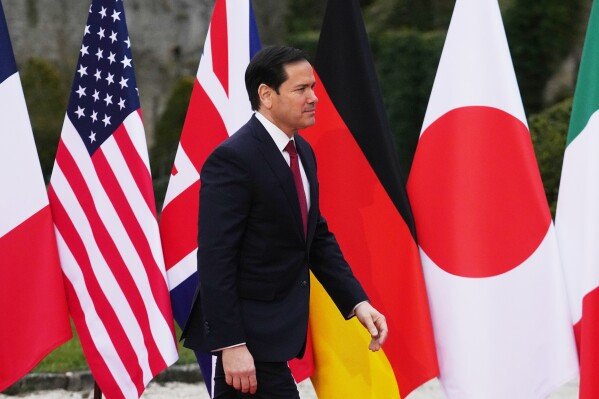
U.S. Secretary of State Marco Rubio has accused China of retaliatory behaviour after dozens of Panama-flagged ships were reportedly detained for short periods at Chinese ports, a move he said is destabilising supply chains and increasing costs across global trade.
The dispute follows growing tensions between Panama and Beijing after Panama moved against terminal concessions previously held by Hong Kong-based CK Hutchison at the ports of Cristobal and Balboa, located on either side of the Panama Canal. Earlier this year, Panama’s Supreme Court invalidated those concessions and named terminal units of Maersk and Mediterranean Shipping Co. as interim operators.
Panama, which maintains the world’s largest ship registry with nearly 9,000 vessels, said the detentions appear to be retaliatory. Many of the ships involved are operated by some of the world’s biggest container lines.
Rubio said on social media that China’s decision to detain or otherwise obstruct Panama-flagged vessels engaged in lawful trade is damaging supply chains, pushing up costs and eroding confidence in the global trading system. He added that the United States stands with Panama against any retaliatory action affecting its sovereignty.
The wider political backdrop has only added to the tension. President Donald Trump has claimed that the United States intends to take back the canal from what he described as Chinese control, although China has rejected U.S. accusations while not directly responding to questions about the detentions.
According to the Tokyo MOU, the regional port state control organisation representing 22 Asia-Pacific authorities, 92 of the 124 ships detained in Chinese ports in March were Panama-flagged. That represented about 75% of all detentions during the month, up sharply from roughly 35% in January and February. The delays reportedly ranged from one to 10 days before vessels were released.