



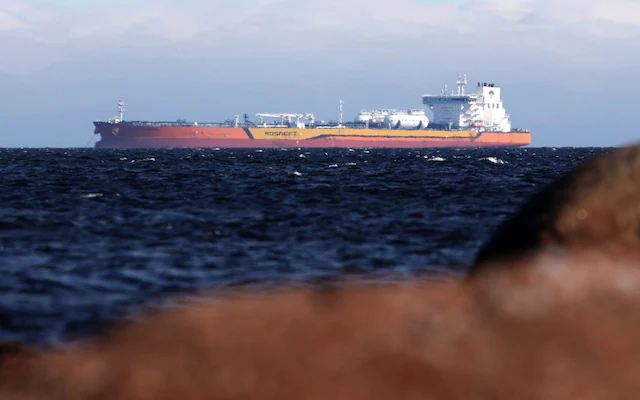
The energy issue is back at the center of maritime affairs. According to Seatrade, the European Union is considering a change in doctrine: replacing the mechanism of capping the price of Russian crude with a more radical approach, targeting maritime services associated with transportation. In short, the idea would be to restrict Russia’s access to key services — insurance, technical coverage, pooled mechanisms — which currently secure a part of the trade.
If this direction were validated, the impact would go beyond just the issue of export volumes. The risk mentioned by several observers is that of an increased shift toward a “parallel” fleet of heterogeneous quality, sometimes insufficiently covered or difficult to control. And in a sector where a major accident is unforgiving, the potential consequence would be an increase in operational and environmental risk in sensitive areas (heavily trafficked roads, straits, enclosed seas).
In parallel, the article highlights another trend: the adjustment of Indian flows. A trade agreement with the United States could push India to reduce its purchases of Russian crude, which would reconfigure supply sources toward other regions, notably the Middle East and potentially the Americas.
For the tanker market, these changes can have a paradoxical effect: more reconfiguration of routes often means more ton-miles, thus more demand for transport on certain sizes of vessels. But the equation remains fragile, as it depends on international regulatory coordination, sanctions policies, and each actor’s ability to enforce their rules without creating gray areas.