




The International Maritime Organization and the International Chamber of Shipping have welcomed the announcement of a conditional ceasefire between the United States and Iran, while stressing that the immediate focus must now be on protecting seafarers and restoring safe navigation through the Strait of Hormuz.
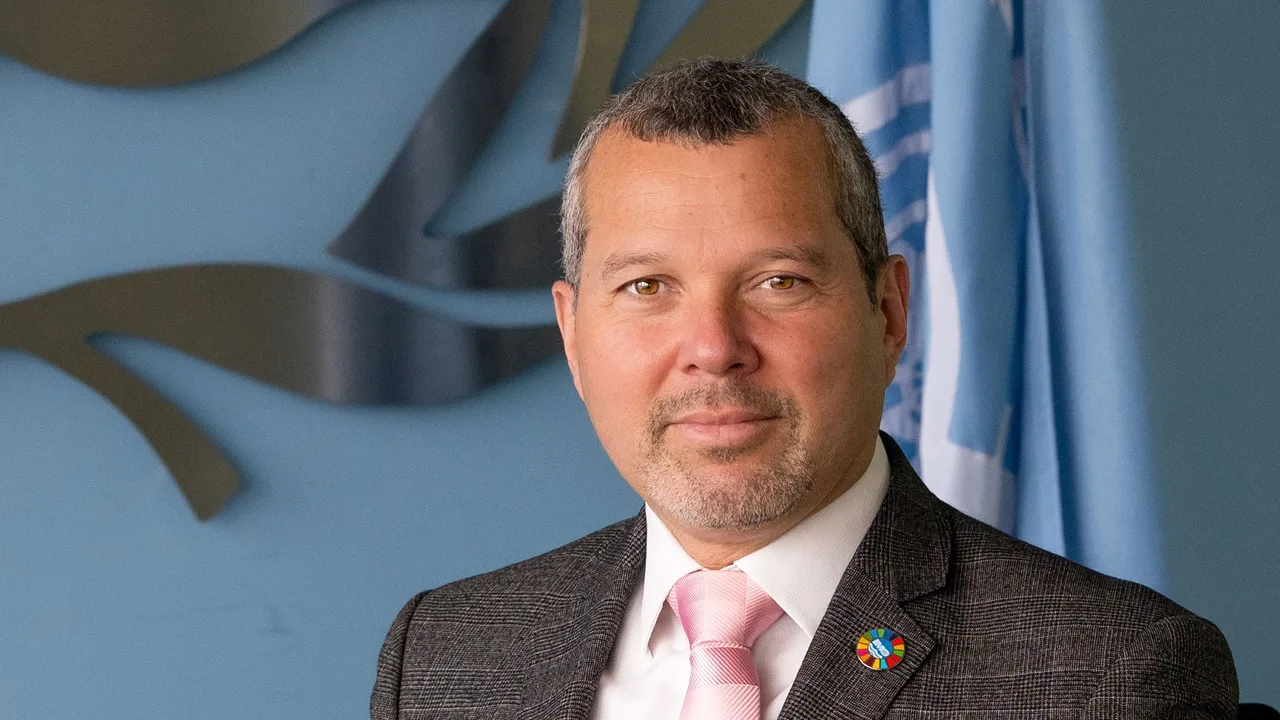
IMO secretary-general Arsenio Dominguez said the wellbeing of seafarers remains paramount, echoing concerns he has raised since conflict erupted in the Middle East on 28 February.
He said the ceasefire was welcome news for both the shipping industry and crews operating in the region, and confirmed that he is already working with relevant parties to establish a mechanism that can support safe vessel transit through the Strait. He added that the immediate priority is to ensure an evacuation process that protects navigational safety.
Industry estimates suggest that around 1,000 vessels carrying roughly 20,000 seafarers were effectively trapped in the Gulf after the conflict began and Iran moved to close the Strait of Hormuz.
Thomas Kazakos, secretary general of the ICS, said the ceasefire would bring relief to the thousands of seafarers caught at the centre of the crisis. He added that the industry’s thoughts remain with civilians and crew members who have been injured or killed during the conflict.
A 14-day ceasefire has reportedly been agreed between Washington and Tehran. Israel has said it welcomes the truce, although it does not extend to Lebanon.
Iran has said it will reopen the Strait of Hormuz for the duration of the ceasefire, but that transits will take place in coordination with its armed forces and remain subject to technical limitations. Reports also suggest that Iran may charge vessels a fee for passage.
Kazakos said freedom of navigation must now be restored without delay. He said states should work with the shipping industry to ensure that transits through the Strait are orderly and unhindered, and noted that this will require coordination between governments both inside and outside the Gulf region. The ICS, he added, stands ready to support that effort.
Bimco chief safety and security officer Jakob Larsen said vessels stranded in the Gulf would understandably want to leave as soon as it is safe to do so, but cautioned that the industry still needs clear technical guidance on how transits should be carried out.
He warned that ships should not attempt to leave without coordination with both Iran and the US, given the heightened security risk. Iran has indicated that it wants to control transits through the Strait, but Larsen noted that recent attacks have severely affected the country’s military command structure. That, he said, raises the risk of misunderstandings between authorities approving passage and military formations controlling weapons systems, potentially leading to accidental targeting of ships that were in fact cleared to transit.
He also pointed out that Iran still appears to retain significant capabilities for threatening shipping, including anti-ship missiles, drones, fast attack craft, coastal artillery and mines.
For the shipping sector, the ceasefire is clearly a step forward. But until safe transit procedures are firmly established and consistently applied, the Gulf remains a zone of serious operational risk.