Business Nov 25, 2026
Shein hit by European import charges as quarterly revenue falls 6%
The fast-fashion platform faces mounting pressure from new EU parcel fees, with European sales declining sharply, while agreeing to pay $100 million to settle US allegations over misleading shipping, product reviews and supply chain claims.
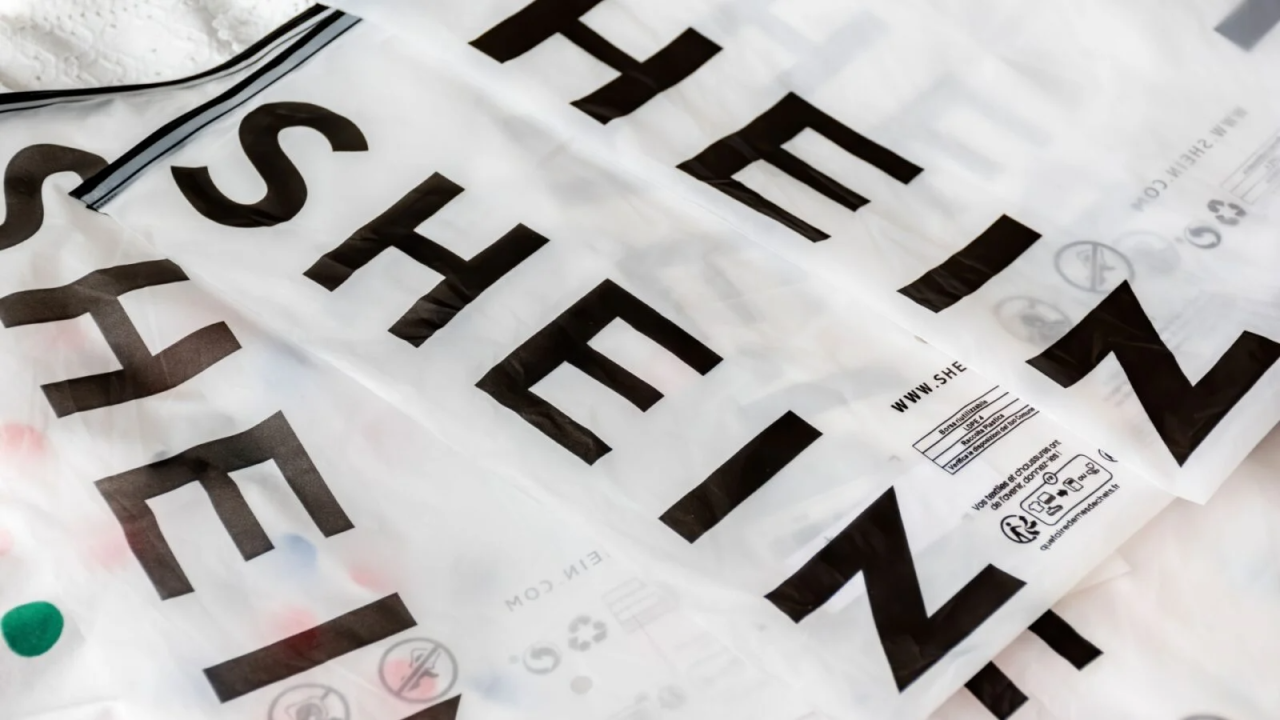
Chinese fast-fashion retailer Shein is facing increasing headwinds from regulatory reforms in cross-border e-commerce, especially in Europe, where fresh import tariffs have dealt a heavy blow to its business. The company said net revenue dropped 6% in the third quarter and warned it might take as long as a year for demand across the European market to recover. Separately, Shein has agreed to pay $100 million to settle allegations of misleading commercial practices by the US Federal Trade Commission (FTC).
Shein Global Holdings (HKSE: 0625) reported adjusted net income of $790 million for the three months ended September 30, a 27% increase from the same period a year ago, its latest financial results showed. But net revenue fell 6% to $10.27 billion. Sales softened but the company posted better profitability because of cost-cutting measures implemented by the company.
Europe became the toughest market for the online retailer. The EU implemented a €3 ($3.36) fee on low-value parcels entering the bloc in July, followed by a €2 ($2.24) parcel handling fee on November 1. Such moves have raised the cost of cross-border e-commerce operations, prompting Shein to tweak its pricing strategy.
The impact was most evident in the company's European performance, with revenue down 27.6% to $2.98 billion in the quarter. But Shein had passed on the extra costs to shoppers by raising prices, and this appears to have affected consumer demand.
The financial burden could also increase, depending on what individual shipments contain. The fees are calculated separately for each type of product in a parcel, so a package containing four different types of goods could incur customs-related fees of almost $22.
These measures are part of a wider European effort to stem the tide of cheap, subsidized and possibly unethically sourced imports from China. Authorities also want to protect domestic manufacturers and retailers, and to address concerns that small-parcel import channels might be used to smuggle drugs.
The changes, including the end of duty-free treatment for so-called de minimis shipments, are chipping away at competitive advantages that Chinese e-commerce platforms like Shein have previously enjoyed. Companies are being forced to re-evaluate their distribution strategies, invest in local fulfillment infrastructure and ship larger volumes of merchandise through traditional maritime and air freight networks rather than sending individual orders directly from overseas to consumers.
Local fulfilment becomes a strategic priority
To adapt to the changing European regulatory environment, Shein is expanding its local inventory and fulfilment operations through a programme known as Flash Forward-Deployed Inventory.
The initiative already handles more than 40% of deliveries to European customers, and the company expects this proportion to reach approximately 50% by the end of the year.
According to Shein, products distributed through this system achieve higher conversion rates and generate greater profit per item than merchandise shipped directly across borders. Strengthening local fulfilment therefore represents an important part of the company's response to rising import costs and changing trade requirements.
During an earnings briefing with analysts, CEO Sky Xu indicated that a meaningful recovery in European sales was unlikely before the second half of 2027.
The pressure is not limited to Europe. Shein also recorded a 9.4% decline in revenue in the United States, where tariffs on small-value parcel imports were increased last year. In response to weakening performance across its two major Western markets, Xu said the company was directing additional resources towards Latin America and other regions to diversify its geographical exposure and reduce its reliance on Europe and North America.
U.S. probes Shein’s business practices for settlement
Financial and logistical challenges are compounded by Shein’s agreement to pay $100 million to settle claims brought by the U.S. Federal Trade Commission.
Tuesday's settlement resolves claims that the company engaged in practices that violated consumer protection laws, including making it difficult for customers to resolve purchasing problems, failing to meet delivery commitments, suppressing unfavorable product reviews and providing misleading information about its supply chain.
The allegations also include claims about the origin of cotton used in Shein products and the social-compliance standards of its suppliers.
Shein had wooed customers with promises of affordable clothing, fast delivery and suppliers reaching above-average ratings in assessments covering issues such as child labor and forced labor, said Christopher Mufarrige, director of the FTC's Bureau of Consumer Protection.
But the regulator says the company misrepresented information on its merchandise, suppliers and customer reviews and made it particularly difficult for consumers to get help when problems occurred.
Shein advertized its shipping services as fast, transparent and reliable, the FTC’s complaint said. However, tens of thousands of customers were reportedly left waiting for anything from a few days to a few weeks, or even months. Some orders reportedly didn’t get delivered.
The regulator also charged the company with failing to make adequate notifications when deliveries were delayed, including notices required by U.S. law. Customers also had trouble reaching customer service to get information about late or missing orders.
The scale of Shein’s US operations only stoked worries about its capacity to provide customer support. Almost one million packages are shipped to the United States every day by the company, but as of September 2025 it reportedly had only five customer service agents dealing with telephone inquiries from US consumers. The FTC also said Shein didn’t provide a telephone number for those agents on its website, leaving many customer requests unanswered.
Questions about product reviews and supply chain transparency
The FTC probe also looked into how Shein handled customer reviews that appeared on its online platform.
The complaint says the company systematically suppressed some reviews from appearing on its website, publishing positive comments but suppressing or removing negative comments from customers who had criticized products or returned their purchases.
The regulator also challenged claims made around the evoluSHEIN product range. They were sold as being sourced from suppliers that had above-average ratings in social-compliance audits to identify and prevent risks of child and forced labor.
But the FTC says Shein did not provide a single audit to prove the claims were supported by evidence.
There were also questions on the traceability of cotton in the company’s products. Some of the cotton labeled as from the United States was actually sourced from China, the complaint says. In some other cases the origin of the cotton used in at least some products could not be determined.
The deal requires Shein not only to pay $100 million but also to change some of its business practices. The company must not provide misleading information about shipping and delivery times, manipulate negative product reviews or provide deceptive information about supplier audits, manufacturers and product traceability. It has also pledged to increase its customer service staff.
Shein said in a statement it had entered into an agreement with the FTC to resolve the investigation, which it said related to certain historical business practices. The company said it did not agree with the regulator’s characterizations but was taking measures to beef up its compliance procedures.
European product regulations are the focus of compliance initiatives
Beyond its U.S. settlement, Shein is also trying to boost regulatory awareness among sellers who operate on its marketplace.
The company is holding a series of compliance sessions with independent third-party experts. The initiatives aim to help marketplace sellers understand European Union requirements on chemical safety, in particular restrictions on high-risk substances used in consumer products.
The program also covers safety and compliance obligations for lithium batteries used in consumer electronics.
Shein’s guidance on these regulatory requirements is aimed at helping small businesses selling through its platform to better understand their responsibilities and ensure that products supplied to European consumers meet relevant EU standards.
The initiatives come as the company faces pressure from higher cross-border logistics costs, softer demand in key Western markets and closer scrutiny of its commercial and supply chain practices. Shein is being forced to rethink its pricing, fulfillment and compliance strategies as it tries to keep expanding internationally.
END OF REPORT